

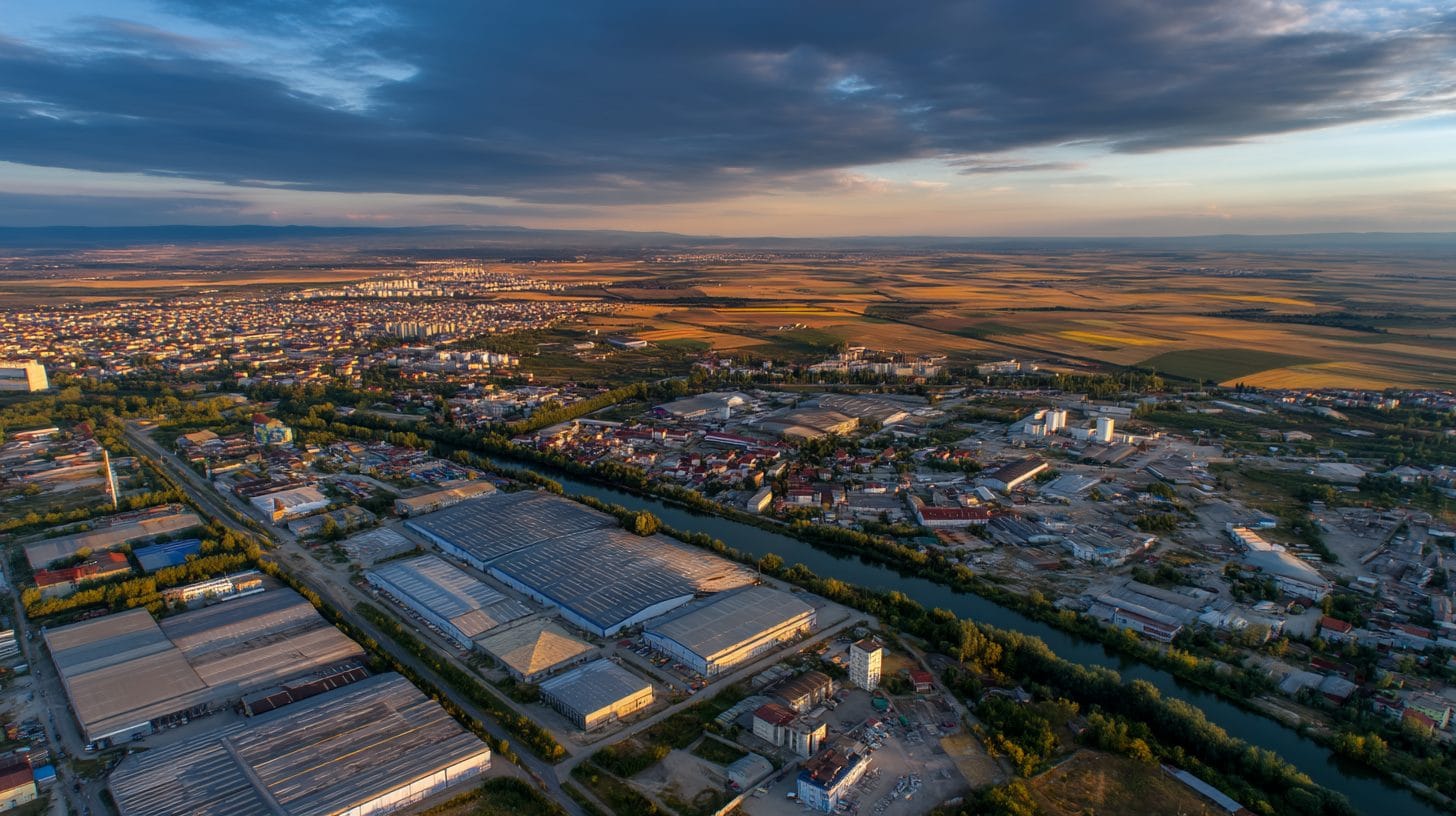
Evaluating Water Rights and Resources on Land in Clienceni, Ilfov
Understanding water rights and the management of water resources is essential for ensuring sustainable development in any region. This is particularly true for Clienceni, a village in Ilfov County, Romania. Given its strategic location and growing agricultural landscape, evaluating water rights and resources on land in Clienceni, Ilfov, has become increasingly important. In this article, we will delve into the intricacies of water rights in this region, the implications for landowners and farmers, and the overall impact on local communities.
The concept of water rights is pivotal for managing water resources effectively. Water rights define who can use water from various sources and under what conditions. In Clienceni, landowners must navigate a complex web of local, national, and sometimes international laws that outline their rights to access and utilize water. Understanding these rights is crucial, especially in an era where water is becoming an increasingly scarce resource due to climate change, population growth, and increasing demand for agricultural production.
The primary legal framework governing water rights in Romania includes the Water Law (Law No. 107/1996) and related regulations. These laws emphasize public ownership of water resources while granting users rights for water utilization. It’s important for landowners in Clienceni to comprehend these laws to ensure they comply with legal requirements while maximizing their rights to use water resources for agricultural, domestic, or industrial purposes.
Water rights can be classified into two main types: riparian rights and prior appropriation rights. Riparian rights apply to landowners whose property is adjacent to a water source. This system gives them the right to use water that flows through or adjacent to their land, as long as their use does not negatively impact other users. In Clienceni, many agricultural lands are located near rivers and streams, making riparian rights particularly significant.
On the other hand, prior appropriation rights, though less common in Romania, prioritize water usage based on a “first come, first served” principle. This means that the first landowner to divert water for use has the first claim to it, regardless of whether they own adjacent land. While this principle is not typically applied in Romania, understanding it can provide insights into potential conflicts that may arise in the management of water resources.
Agricultural practices in Clienceni heavily rely on water resources for irrigation, livestock, and other vital functions. The way water rights are structured can directly influence agricultural productivity. In recent years, farmers in Clienceni have faced challenges related to water availability, particularly during periods of drought. The competition for water resources can lead to disputes among landowners, making it essential to have a clear understanding of water rights to facilitate cooperative management of shared resources.
Another crucial aspect of evaluating water rights in Clienceni is the issue of water quality. Water pollution can pose significant challenges for landowners who rely on clean water for their agricultural activities. The implementation of strict regulations to protect water quality is vital to preserving the health of local ecosystems and supporting sustainable agricultural practices. Farmers must be aware of the potential risks associated with water pollution and the legal frameworks that hold them accountable for preventing it. Engaging in sustainable practices such as reduced pesticide use, crop rotation, and responsible waste management can help protect both water quality and land rights.
As urbanization continues to expand in Ilfov County, the demand for water resources is expected to grow. This can lead to increased competition among different water users, including residential developments, agricultural operations, and industrial facilities. Understanding water rights and resources is essential for landowners in Clienceni to navigate potential conflicts effectively. Engaging in dialogue with local authorities, participating in community water management initiatives, and advocating for fair water distribution practices can play a vital role in ensuring that the needs of all users are met.
In addition to legislation and individual water rights, water resource management strategies play a critical role in Clienceni. Local authorities are responsible for creating and enforcing policies that promote equitable and sustainable water use. Community involvement is crucial in this regard, as it empowers landowners to voice their concerns and collaborate with policymakers to create solutions that meet the needs of all stakeholders. Water management strategies may include setting limits on water extraction, establishing water use licensing systems, and promoting the development of shared irrigation systems among neighboring farms.
Technological advancements are also playing a significant role in monitoring and managing water resources. Innovative practices such as precision agriculture, smart irrigation systems, and the use of satellite imagery can help landowners in Clienceni optimize their water usage. By understanding their water needs more accurately, farmers can implement irrigation strategies that conserve water while maximizing crop yields. Such practices not only benefit individual landowners but can also contribute positively to the community as a whole.
Education and awareness programs focused on water rights and resource management can empower local landowners. Workshops, seminars, and community outreach initiatives can help inform farmers about legal frameworks, water conservation techniques, and emerging technologies. These programs can foster a culture of responsible water management and encourage collaborative efforts to safeguard water resources for future generations.
In conclusion, evaluating water rights and resources on land in Clienceni, Ilfov, is a multifaceted issue that requires comprehensive understanding and proactive management. Landowners must be well-versed in the legal frameworks that dictate water rights while being aware of the implications for sustainable agricultural practices. Engaging in community dialogue, adopting innovative technologies, and participating in local water management initiatives are all essential steps in mitigating potential conflicts and maximizing the benefits that water resources can provide. By making informed decisions and embracing sustainability, landowners in Clienceni can ensure that water rights are effectively preserved and that water resources are managed with foresight for generations to come.
Ultimately, the collective efforts of landowners, communities, and policymakers in Clienceni can pave the way toward a sustainable future, where water rights land Clienceni Ilfov are safeguarded in harmony with the needs of both people and the environment.
Interested in Land Investment in Romania?
We specialize in high-yield land and property opportunities for serious investors.
VIEW OUR CURRENT PORTFOLIOSecure your investment with Land For Investors.

Published: March 19, 2025