

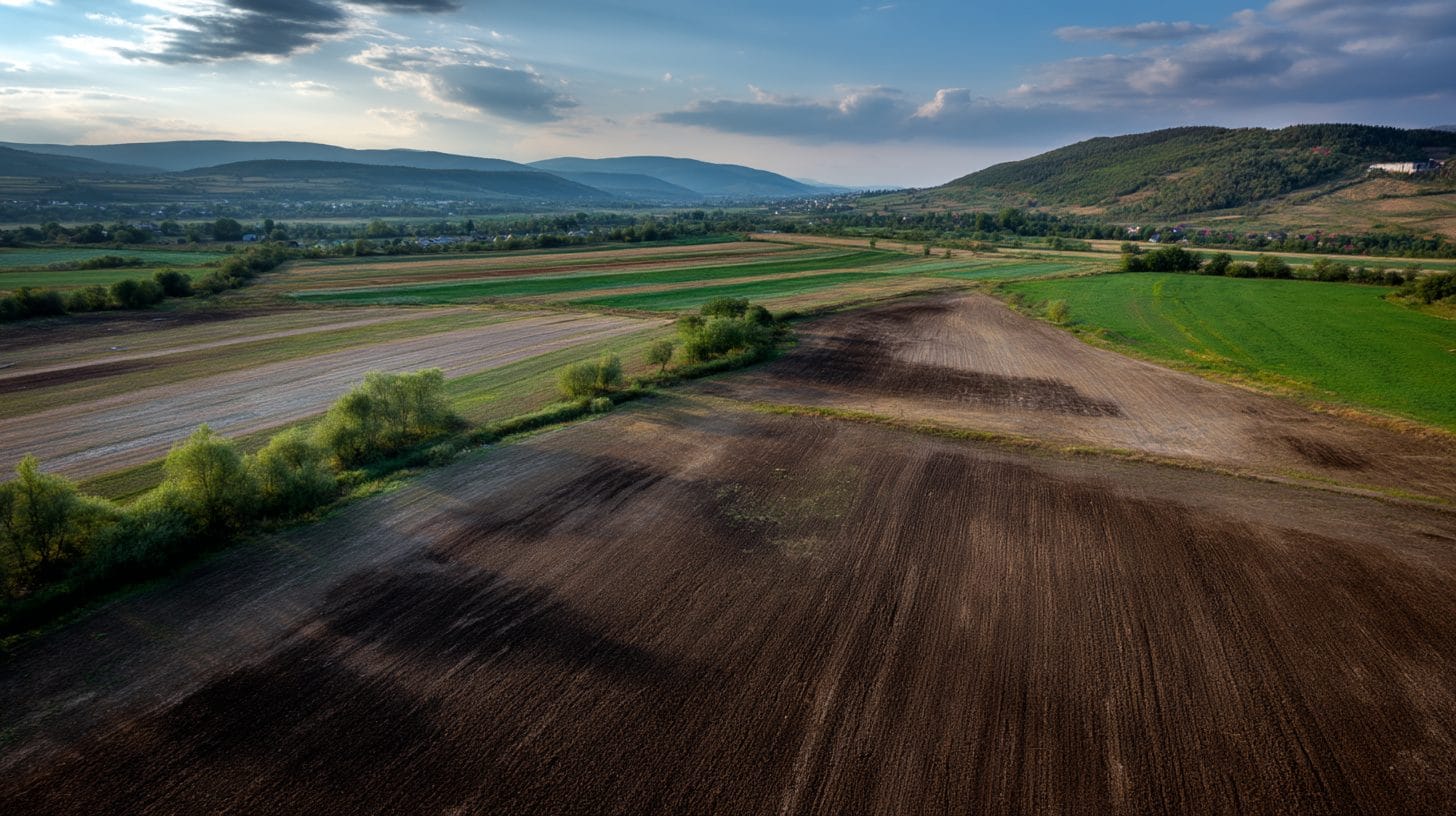
Evaluating Water Rights and Resources for Land in Romania
In recent years, the discussions surrounding water rights and resources for land in Romania have gained considerable attention. As a country with diverse landscapes and abundant water sources, understanding these rights is paramount for sustainable land management, agricultural productivity, and ecosystem conservation. This article aims to provide a thorough evaluation of water rights as they pertain to land in Romania, delving into the legal framework, historical context, and contemporary challenges.
Water Rights in Romania: A Historical Perspective
Before diving into the current state of water rights in Romania, it is important to contextualize the issue within historical frameworks. Romania has experienced a myriad of political, economic, and social changes over the centuries, influencing land and environmental policies. Notably, the Communist era left a significant mark on water resource management, often prioritizing industrial growth over ecological balance. Post-1989, with Romania’s transition to a market economy, there has been a gradual reform in water rights legislation to reflect European Union standards while also addressing local needs.
The Legal Framework Governing Water Rights
In Romania, water rights are governed by a combination of national laws and European directives. The primary legislation includes:
1. The Water Law (Law No. 107/1996) – This law establishes the legal basis for the management and use of water resources in Romania. It highlights the principles of sustainable water management, including the necessity of protecting water quality and the public interest in water use.
2. The National Water Management Strategy – This strategy outlines Romania’s long-term goals regarding water resource management, emphasizing the need for integrated management across sectors.
3. EU Water Framework Directive – Romania, as a member of the European Union, is obligated to comply with the EU Water Framework Directive, which mandates member states to achieve good water quality and sustainable use of water resources.
In addition to these statutes, various laws and decrees govern the allocation of water rights for agricultural, industrial, and domestic uses. These include provisions for permits and licenses that landowners must secure to access water sources.
Understanding Water Rights in Relation to Land Ownership
Water rights and land ownership are intrinsically interconnected in Romania. Landowners generally possess the right to use water from natural sources situated on or adjacent to their property. However, these rights are subject to regulation to prevent overexploitation and ensure equitable distribution among users.
It is essential to distinguish between usufruct rights (the right to use and derive profit from the water) and ownership rights. While landowners may have usufruct rights over water resources, the Romanian state retains ownership over the country’s water bodies, underscoring the imperative of sustainable management and conservation.
Challenges in Water Rights Management
Romania faces several challenges regarding water rights for land, including:
1. Pollution and Water Quality: Industrial discharges, agricultural runoff, and improper waste management have contributed to the degradation of water quality in many rivers and lakes. Ensuring clean water access for landowners while maintaining ecological health is a significant challenge.
2. Allocation and Access: The competition for water resources among various stakeholders, including farmers, industries, and municipalities, can lead to conflicts. Proper allocation mechanisms are necessary to mitigate these disputes and ensure fair access.
3. Climate Change: Alterations in precipitation patterns and the increasing frequency of droughts are posing significant threats to water availability. Agricultural producers, in particular, are feeling the effects, necessitating adaptive strategies to safeguard their water rights.
4. Compliance with EU Regulations: As Romania continues to harmonize its water legislation with EU directives, there is an ongoing need for capacity building and investment in infrastructure to achieve compliance efficiently.
Best Practices for Sustainable Water Rights Management
To address the challenges associated with water rights and resources in Romania, stakeholders must adopt best practices that promote sustainability and cooperation:
1. Integrated Water Resource Management (IWRM): Implementing an integrated approach that considers the interconnections between water, land use, and ecosystems can lead to more effective management. This strategy encourages collaboration among stakeholders to develop comprehensive water management plans.
2. Stakeholder Engagement: Involving farmers, local communities, businesses, and governmental entities in water rights discussions fosters transparency and encourages the co-creation of solutions tailored to local needs.
3. Water Quality Monitoring: Regular monitoring and assessment of water quality are essential for safeguarding ecosystems and ensuring reliable access for landowners. Investments in monitoring technologies and public awareness campaigns can improve water resource management.
4. Climate Resilience Strategies: As Romania navigates climate change challenges, prioritizing resilient agricultural practices, such as drought-resistant crops and efficient irrigation techniques, can help protect water rights and resources.
5. Education and Training: Providing education and training for landowners regarding their rights and responsibilities empowers them to engage in sustainable practices and advocacy.
Conclusion
Evaluating water rights and resources for land in Romania is critical for ensuring sustainable development and promoting ecological integrity. A comprehensive understanding of the legal framework, historical context, and current challenges allows stakeholders to engage in proactive management of water resources. By implementing best practices such as integrated water resource management, stakeholder engagement, and climate resilience strategies, Romania can work towards ensuring fair access to water rights for all landowners while safeguarding its precious water resources for future generations.
As Romania continues to evolve in its water rights and resource management, maintaining a focus on sustainability, compliance with EU regulations, and active stakeholder participation will be essential components for success in this endeavor.
Interested in Land Investment in Romania?
We specialize in high-yield land and property opportunities for serious investors.
VIEW OUR CURRENT PORTFOLIOSecure your investment with Land For Investors.

Published: April 16, 2025