

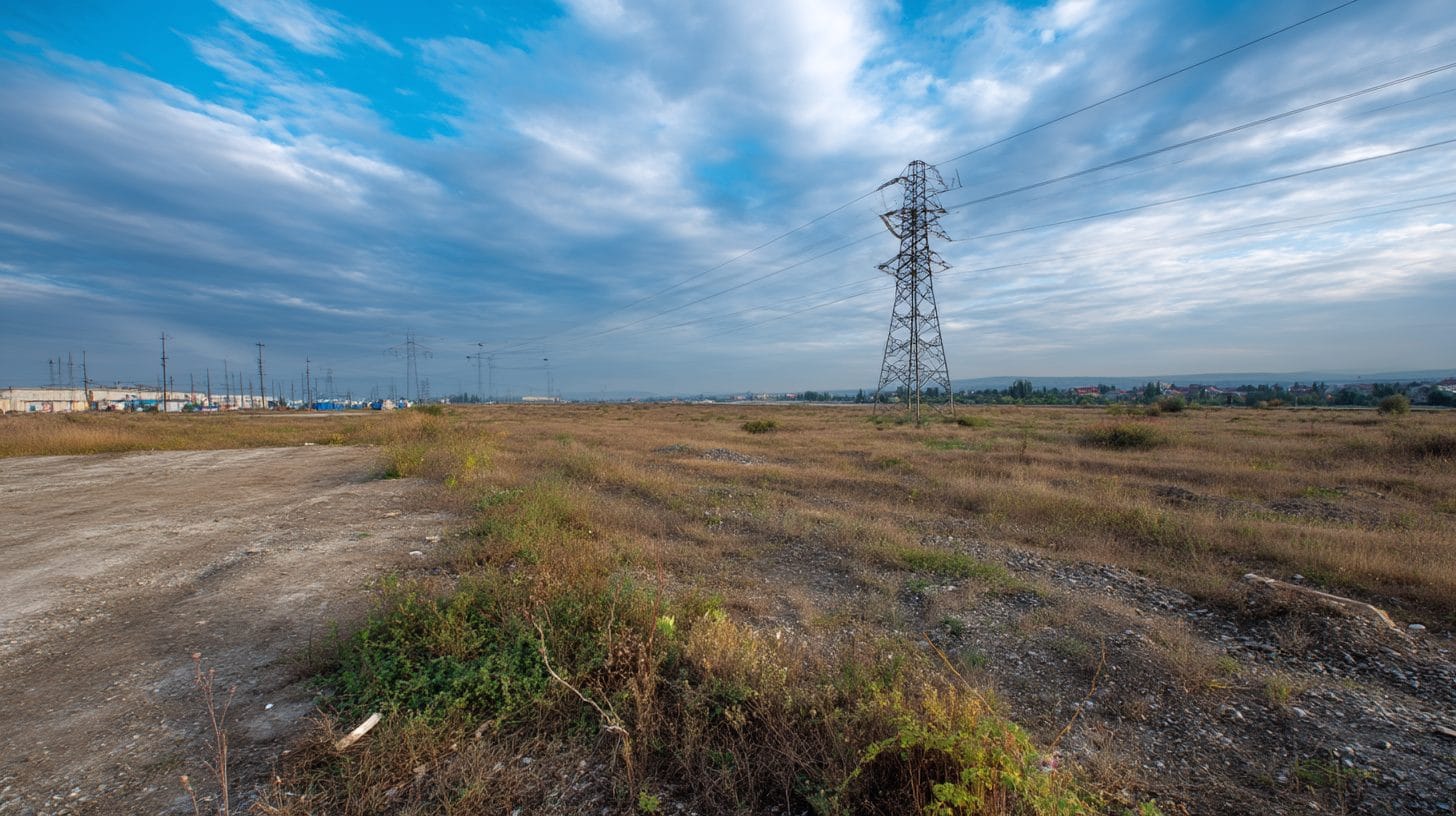
Evaluating the ROI of Land Projects on Bucharest’s Ring Road
As urban areas continue to expand globally, land development has become a focal point for both public and private stakeholders. In Bucharest, Romania, the Ring Road serves as a critical artery facilitating traffic congestion management, enhancing accessibility, and promoting economic growth. Evaluating the return on investment (ROI) of land projects along this vital corridor has gained significant attention from developers, investors, and policymakers alike. This analysis delves into the nuances of ROI assessment for land projects around Bucharest’s Ring Road, highlighting key factors that impact profitability, the role of infrastructure, and strategic considerations for stakeholders.
The Importance of the Ring Road in Bucharest’s Urban Development
Bucharest’s Ring Road, a circular route encircling the urban core, serves multiple functions. Primarily, it alleviates traffic congestion by connecting different sectors of the city, thereby facilitating smoother transportation. With Bucharest being the largest city and the capital of Romania, the Ring Road plays an essential role in driving economic development by creating opportunities for commercial, residential, and industrial projects.
As urban sprawl expands beyond the center, land projects along the Ring Road are increasingly seen as sound investments. The proximity to essential infrastructure, including roads, utilities, and public amenities, significantly enhances land value. Therefore, assessing the ROI of land projects on Bucharest’s Ring Road is imperative for informed decision-making.
Key Factors Influencing ROI for Land Projects on Bucharest’s Ring Road
1. Location: The geographical positioning of land parcels along the Ring Road is critical. Accessibility to major roadways, proximity to key business districts, and availability of transportation hubs such as metro stations and bus terminals can substantially increase a project’s ROI.
2. Land Utilization: Different land use types—commercial, residential, or mixed-use—will yield varying ROI outcomes. Understanding the local demand and market trends for specific land types is essential. Projects that align with current market needs tend to experience higher returns.
3. Infrastructure Development: Government investments in infrastructure, such as road expansions, utilities, and public services, can lead to increased land values. As Bucharest invests in enhancing its transport networks and public amenities, land investors must evaluate how these improvements will affect their project ROI.
4. Economic Factors: The overall economic climate in Bucharest and Romania plays a significant role. Economic growth, unemployment rates, and inflation can impact disposable income, influencing demand for residential and commercial spaces along the Ring Road.
5. Regulatory Environment: Understanding zoning laws, building codes, permit requirements, and other regulatory factors can help mitigate risks associated with land projects. Compliance with these regulations is essential for project feasibility, ultimately affecting ROI.
6. Market Trends: Tracking market demand and supply dynamics, including competitor analysis, can lead to better investment decisions. Awareness of ongoing land projects in the vicinity can help developers position their offerings effectively.
Evaluating ROI: Quantitative and Qualitative Approaches
To assess the ROI of land projects on Bucharest’s Ring Road effectively, both quantitative and qualitative methods should be employed:
Quantitative Evaluation: The most straightforward ROI metric is the calculation based on the formula (Net Profit/Investment Cost) x 100. This calculation provides numerical data to assess investment profitability. However, it is crucial to account for projected revenues over time, operational costs, maintenance expenses, and potential funding source implications.
Qualitative Evaluation: While numbers provide critical insights, incorporating qualitative factors can enrich the ROI analysis. Aspects such as community impact, environmental sustainability, and social outcomes significantly add value to land projects and can influence public perception and acceptance.
Methods for Enhancing ROI on Land Projects
To maximize the ROI for land projects along Bucharest’s Ring Road, developers and investors should consider the following strategies:
1. Feasibility Studies: Conducting thorough feasibility studies to evaluate land use, market demands, and site minimization opportunities will bolster the strategic planning phase.
2. Collaborations: Partnering with local government authorities, urban planners, and community stakeholders can yield enhanced support, facilitating efficient project implementation and increasing community acceptance.
3. Promotion of Sustainable Practices: Land projects that adopt environmentally sustainable practices are becoming increasingly appealing to consumers. Green building certifications and sustainable landscaping can lead to higher market value and customer attraction.
4. Flexible Development Plans: In a dynamic market, flexibility to adapt designs based on changing market conditions can lead to improved ROI. Offering mixed-use developments could meet diverse consumer needs, ultimately enhancing revenue streams.
5. Marketing Strategies: Implementing well-crafted marketing strategies can effectively showcase land project advantages, contributing to faster sales cycles and increased interest.
6. Risk Management: Identifying and assessing potential risks associated with land projects will help investors develop contingency plans, preserving ROI.
Conclusion
The evaluation of the ROI of land projects on Bucharest’s Ring Road is multifaceted, encompassing a thorough understanding of location dynamics, infrastructure impacts, market conditions, and regulatory environments. While quantitative metrics offer vital insights for investment assessments, integrating qualitative evaluations provides a comprehensive understanding of potential project impacts. By employing strategic planning and adaptive management practices, stakeholders can effectively enhance the ROI of their land projects on this essential roadway. As Bucharest’s urban landscape continues to evolve, informed decision-making centered around ROI assessment will be paramount for ensuring sustainable and profitable development that benefits the entire community.
Investing in land projects along Bucharest’s Ring Road represents not just a financial opportunity but also a chance to contribute to the city’s growth narrative, making the alignment of economic interests with broader societal values an imperative. Through diligent evaluation and proactive engagement, stakeholders can harness the potential of the Ring Road, creating a legacy of sustainable urban development.
Interested in Land Investment in Romania?
We specialize in high-yield land and property opportunities for serious investors.
VIEW OUR CURRENT PORTFOLIOSecure your investment with Land For Investors.

Published: March 23, 2025