

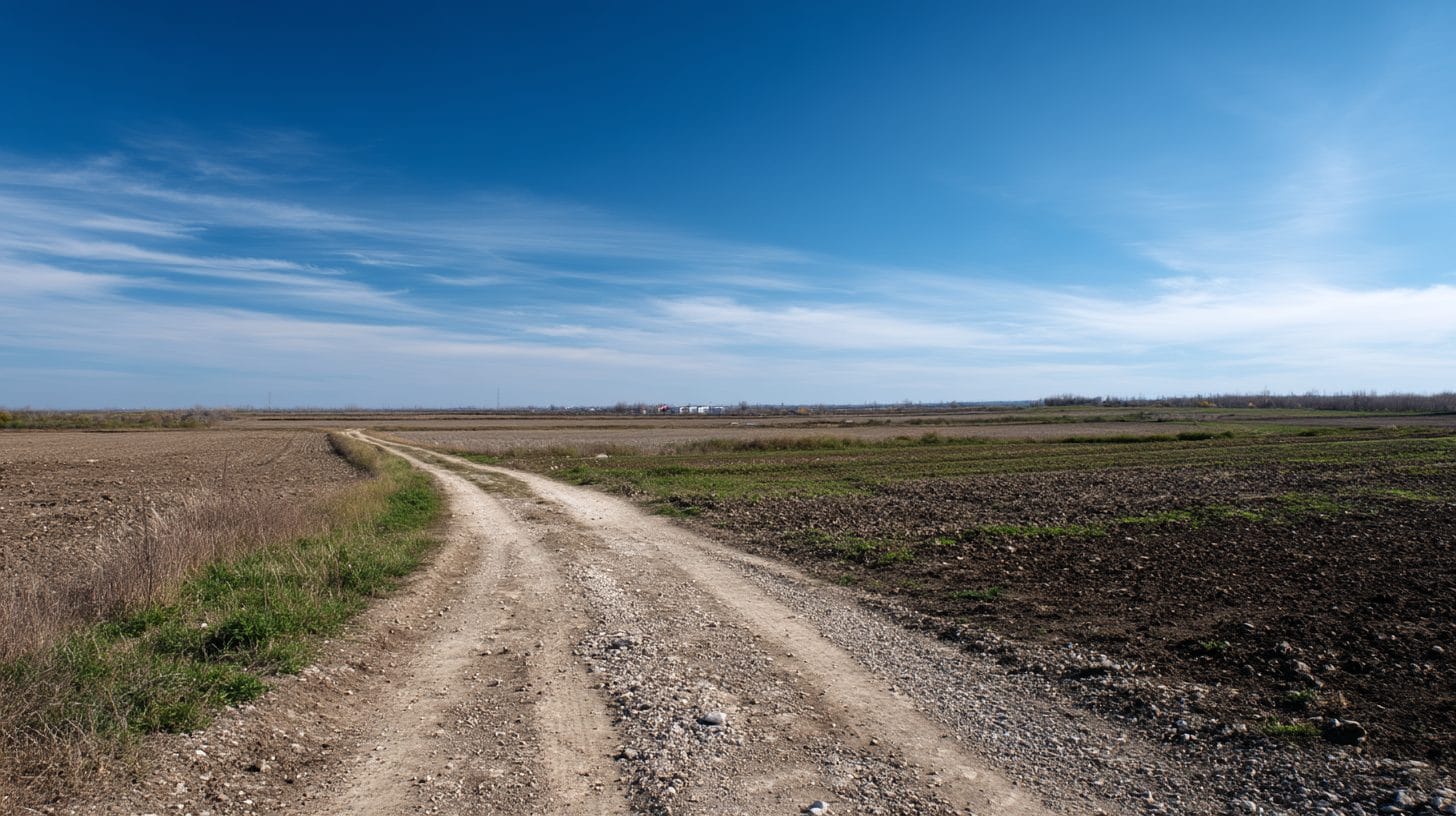
Evaluating the ROI of Land Projects in Romania
Investing in land projects in Romania has emerged as an attractive proposition due to the country’s strategic location, economic growth, and evolving legal framework. The objective of this article is to provide a comprehensive overview of how to evaluate the Return on Investment (ROI) for land projects in Romania. Given the increasing interest in real estate, agriculture, and commercial land investments in this Eastern European country, understanding the fundamental aspects of ROI becomes critical for potential investors.
The Concept of ROI in Land Projects
ROI is a key performance indicator that assesses the profitability of an investment relative to its cost. For land projects, the calculation of ROI can help investors understand the potential yield from investing in a particular piece of land, be it for residential, commercial, or agricultural purposes. The formula for calculating ROI traditionally involves dividing the net profit generated from the investment by the total investment cost, and then multiplying by 100 to derive a percentage. However, land projects often necessitate a more nuanced approach due to the long-term nature of such investments.
Factors Influencing ROI in Land Projects in Romania
1. Location and Infrastructure: The geographical location of a land project significantly influences its potential ROI. Urban areas or regions with planned infrastructural development tend to yield higher returns. Investors should consider proximity to amenities like schools, hospitals, and transportation hubs when evaluating land.
2. Legal Framework: Understanding the legal landscape in Romania is vital for successful land investment. Changes in land use regulations, property rights, and zoning laws can have a direct impact on the potential ROI. Consequently, engaging legal experts who specialize in Romanian property law is advisable for any investor.
3. Market Trends: Analyzing market demand and supply dynamics in Romania can provide insights into potential ROI. Urbanization trends, population growth, and economic indicators play critical roles in shaping the real estate market. Suburban areas around major cities like Bucharest, Cluj-Napoca, and Timisoara are experiencing increased demand, often leading to higher ROI for land projects.
4. Development Costs: Calculating the total investment encompassing land acquisition, development, and maintenance costs is crucial for accurate ROI assessment. Investors must budget for unexpected expenses, including renovations, infrastructure improvements, or compliance costs, which can significantly affect the bottom line.
5. Financing and Economic Conditions: The overall economic climate in Romania can greatly influence ROI. Interest rates, economic growth rates, and inflation levels are key factors that might determine financing options and profitability from land projects. Understanding the broader economic environment can help investors make more informed choices.
6. Investment Timeline: ROI for land projects can vary significantly with the investment timeline. Short-term investments may yield different results compared to long-term holdings, particularly in markets experiencing rapid growth. Investors must evaluate their risk tolerance and investment horizon to tailor their strategies accordingly.
Methods for Evaluating ROI in Land Projects
To ascertain the ROI for land projects in Romania effectively, investors can employ various methods:
1. Comparative Market Analysis (CMA): Conducting a CMA allows investors to evaluate similar land transactions in the vicinity. By understanding the price trends and sales activity in the desired area, investors can derive realistic ROI estimates based on prevailing market conditions.
2. Discounted Cash Flow Analysis (DCF): The DCF method accounts for the time value of money, providing a detailed projection of future cash flows generated by the land investment. Assessing the present value of anticipated cash inflows against the initial capital outlay allows for a thorough understanding of the project’s ROI.
3. Profitability Index: Calculating the profitability index helps investors assess the feasibility of a land project by comparing the present value of future cash flows to the initial investment. A profitability index above one indicates a potentially profitable investment.
4. Property Appreciation Rates: Understanding historical appreciation rates in the target area can provide insights into potential future ROI. Investors should analyze the rate at which land values have increased in the past and project future appreciation based on economic developments and urban planning initiatives.
Best Practices for Maximizing ROI in Land Projects in Romania
To optimize the ROI of land projects in Romania, investors should adhere to several best practices:
1. Conduct Thorough Research: A comprehensive study of the local market, legal regulations, and upcoming infrastructure projects will enhance the understanding of the investment landscape.
2. Engage Local Experts: Collaborating with real estate agents, legal advisors, and market analysts who have in-depth knowledge of the Romanian land sector can provide valuable insights and help to navigate challenges.
3. Diversification: Investors might consider diversifying their land portfolios to mitigate risk and enhance potential returns. By investing in different types of land projects, such as residential, commercial, and agricultural properties, investors can balance their risk exposure and capitalize on varied opportunities.
4. Monitor Economic Indicators: Keeping a close eye on economic indicators, such as GDP growth, inflation rates, and government policies related to land investment, can help investors adapt their strategies in response to changing conditions.
5. Engage with Community: Building relationships within the local community can provide insights into upcoming developments and foster goodwill, which can be advantageous for future land projects.
In Conclusion
Evaluating the ROI of land projects in Romania is an intricate yet crucial process for investors seeking to tap into the potential of this vibrant market. Given the factors influencing the ROI, including location, legal framework, market trends, development costs, and broader economic conditions, meticulous planning and analysis are essential for successful land investment. Armed with a comprehensive understanding of the local landscape and effective evaluation methods, investors can make informed decisions that yield substantial returns on their land projects in Romania. As the country continues to evolve, the potential for profitable land investments remains significant for those willing to navigate its complexities.
Interested in Land Investment in Romania?
We specialize in high-yield land and property opportunities for serious investors.
VIEW OUR CURRENT PORTFOLIOSecure your investment with Land For Investors.

Published: April 15, 2025