

Evaluating the Impact of New Infrastructure on Land Along Bucharest’s Ring Road
Bucharest, the vibrant capital of Romania, has been experiencing accelerated growth and development over the past decade. Central to this progress is the continuous enhancement of its transportation network, particularly the improvements being implemented along the Bucharest Ring Road. This article evaluates the impact of new infrastructure on land surrounding the Bucharest Ring Road, with a keen focus on changes in land use, migration patterns, economic development, and property values.
The Bucharest Ring Road, an essential thoroughfare, serves as the main artery for traffic entering and exiting the city. It connects various neighborhoods and facilitates the movement of goods and services, making it a pivotal element in urban planning and infrastructure development. The ongoing improvements made to this significant transport route not only aim to reduce congestion but also serve as a catalyst for broader economic and spatial changes across the surrounding areas.
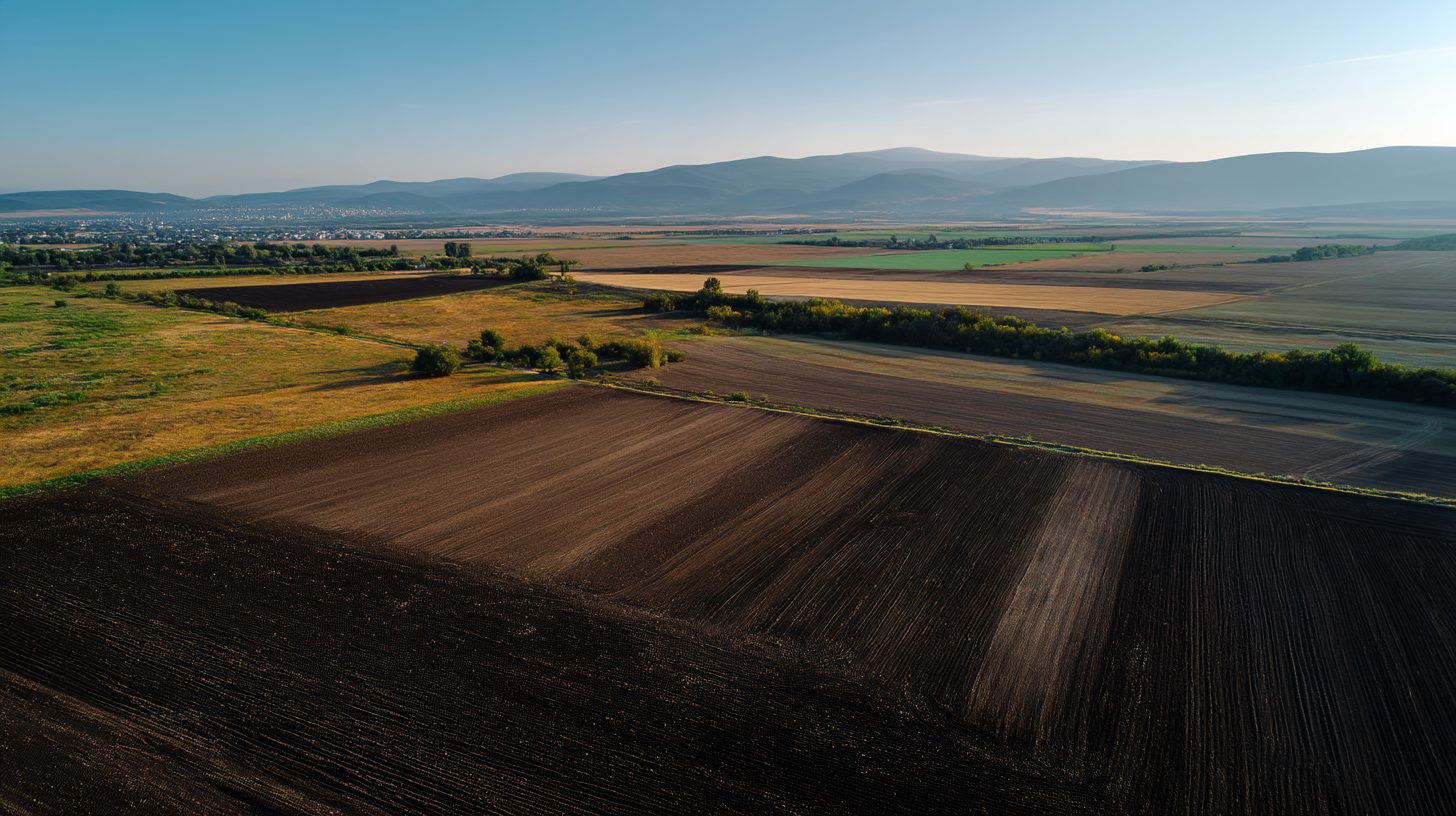
One of the immediate impacts of new infrastructure along the Bucharest Ring Road is the transformation of land use patterns. Historically, areas adjacent to the Ring Road have been characterized by mixed-use development, with industrial zones, residential neighborhoods, and agricultural land working in close proximity. The introduction of new infrastructure projects has incentivized conversions of agricultural land and underutilized properties into commercial and industrial developments. The demand for land located near the Ring Road has surged, leading to a reallocation of land resources towards more economically productive uses such as logistics centers, shopping malls, and business parks.
The changes in land use along the Ring Road have prompted a re-evaluation of zoning regulations. Local authorities have increased the availability of land for commercial purposes, creating dedicated zones for business operations. This has fostered an environment ripe for enterprise development, attracting national and international investors to the region. The influx of businesses has not only provided job opportunities for local residents but has also increased demand for ancillary services, such as housing, retail, and entertainment.
Moreover, as new infrastructure projects are completed, they often lead to a ripple effect in migration patterns. Improved accessibility along the Bucharest Ring Road has made previously suburban and rural areas more desirable places to live and work. Professionals seeking proximity to employment opportunities along the Ring Road are relocating to these areas, thus contributing to suburban sprawl. This migration has led to an increase in residential developments, with new neighborhoods emerging to accommodate the growing population. As a result, stakeholders must consider the implications of rapid population growth on resources, education, and public transportation in these burgeoning communities.
The economic impact of new infrastructure on land near the Bucharest Ring Road is another focal point of evaluation. The influx of businesses establishes new economic zones, creating a multiplier effect on local economies. These developments lead to an increase in tax revenue for local governments, which can be reinvested in community services, infrastructure maintenance, and public amenities. Additionally, as property values rise due to development pressures, there is a need for local authorities to engage in strategic planning to ensure that economic growth translates into long-term benefits for residents.
Property values along the Ring Road have witnessed significant increases as a consequence of enhanced infrastructure. As accessibility improves, desirable commercial and residential developments spring up along the route, fostering a competitive real estate market. Investors are keen to capitalize on the rising demand for properties with convenient access to the Ring Road, driving prices upward. This trend is particularly evident in areas that have undergone comprehensive infrastructure upgrades, such as road expansions and enhancements in public transport systems. However, the rising property values may lead to challenges such as gentrification, where long-term residents may find themselves priced out of their neighborhoods.
Importantly, the impact of new infrastructure on land surrounding the Bucharest Ring Road does not come without challenges. Environmental considerations must be addressed, as increased development and urbanization can lead to habitat loss, changes in land cover, and elevated pollution levels. Sustainable urban planning practices are essential in ensuring that the development of new infrastructure coincides with the preservation of green spaces and the protection of the local ecosystem.
In addressing challenges, it is important for stakeholders to promote a balance between development and sustainability. Through community engagement and involvement in the decision-making process, local authorities can facilitate growth that respects the needs and desires of existing residents while accommodating new arrivals. Collaborative planning processes can emphasis the importance of sustainable development, enhancing public transport options, increasing green spaces, and fostering mixed-use developments.
The potential for smart city initiatives to be integrated into the new infrastructure along the Bucharest Ring Road also merits discussion. The adoption of technology-driven solutions can enhance the quality of life of residents by improving transport efficiency, reducing commute times, and offering innovative urban services. These initiatives can lead to more equitable access to resources and improve emergency response systems, ultimately making the region more resilient.
In conclusion, the impact of new infrastructure on land along Bucharest’s Ring Road is multifaceted, profoundly influencing land use dynamics, economic development, migration patterns, and property values. As Bucharest continues to expand and evolve, it is critical for policymakers, urban planners, and stakeholders to collaborate in ensuring that the growth trajectory remains inclusive, sustainable, and community-oriented. By thoroughly evaluating each facet of new infrastructure impact on land surrounding the Ring Road, the city can navigate its future growth while prioritizing the well-being of its residents and the environment. Through such proactive measures, Bucharest has the opportunity to not only enhance its infrastructure but also to solidify its status as a key player in Europe’s evolving urban landscape.
Interested in Land Investment in Romania?
We specialize in high-yield land and property opportunities for serious investors.
VIEW OUR CURRENT PORTFOLIOSecure your investment with Land For Investors.

Published: March 24, 2025