

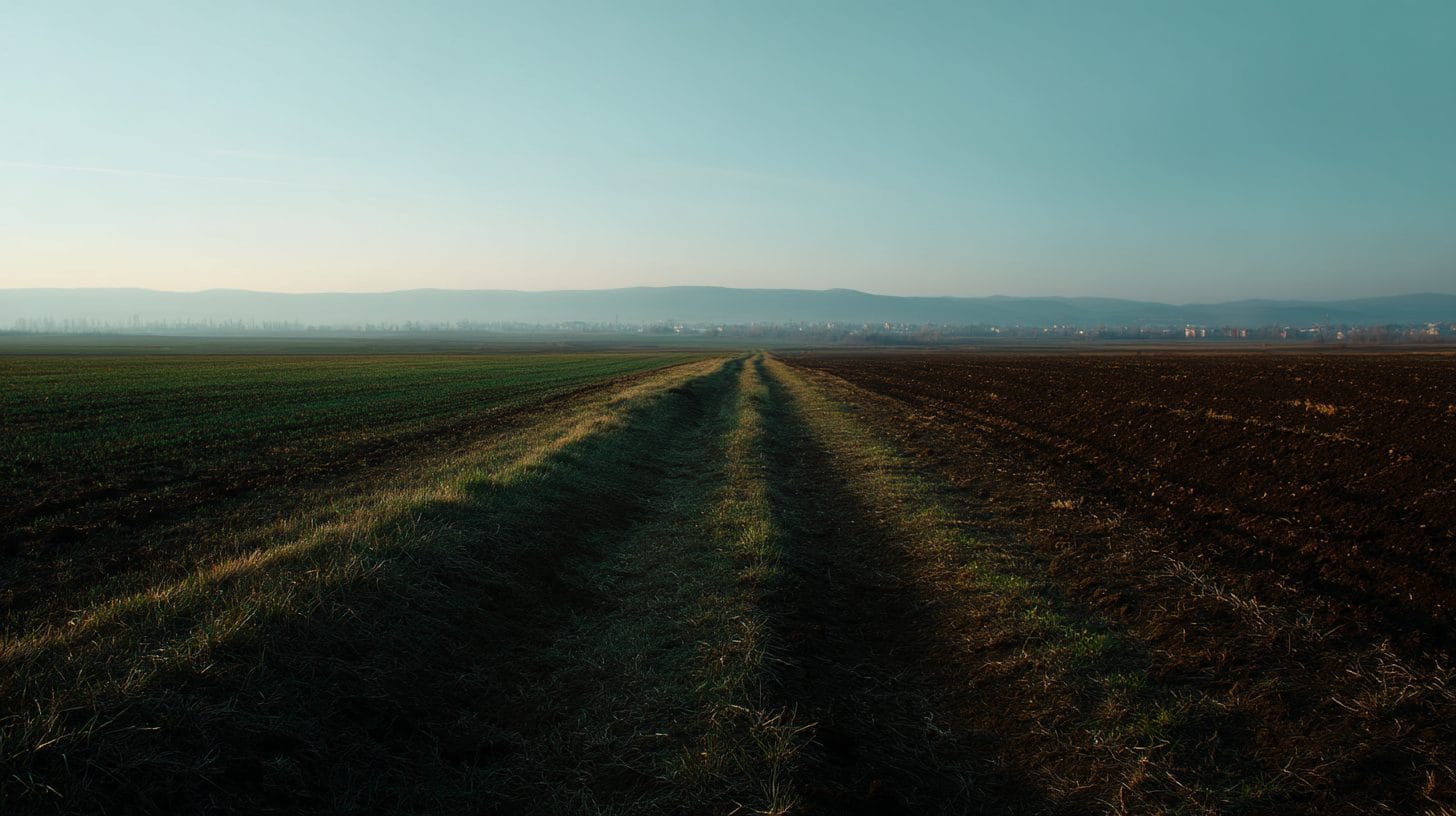
Evaluating Land for Future Urban Expansion in Clienceni, Ilfov
In recent years, the rapid urbanization witnessed across central and eastern Europe has raised significant questions regarding land suitability for expansion, especially in regions like Clienceni in Ilfov County, Romania. The urban expansion potential land Clienceni Ilfov is an area of concentration for city planners, real estate developers, and local authorities. This article delineates the various factors to consider when evaluating land for urban expansion in Clienceni, while also addressing the vital role of sustainable practices in urban planning.
Understanding Urban Expansion in Clienceni, Ilfov
Clienceni is strategically situated within Ilfov County, sharing close proximity to Bucharest, which is the capital of Romania and an economic and cultural hub. This remarkable location enhances Clienceni’s urban expansion potential, making it a focal point for residential and commercial growth. The synergy between the city and its surroundings has led to an increased interest in the development of infrastructure and properties in this area.
As urban areas continue to expand due to migration and population growth, demands for housing, infrastructure, and various services escalate. This phenomenon requires comprehensive evaluations to ensure that land identified for future developments meets both current needs and anticipates future demands. Evaluating urban expansion potential land in Clienceni involves numerous aspects including geographical, socio-economic, environmental, and infrastructural assessments.
Geographical Considerations
When considering urban expansion potential land in Clienceni, evaluating geographic features is crucial. The topography, soil quality, and hydrology of the land can significantly influence its suitability for urban development. For instance, flat land with good drainage properties is typically more desirable for housing and commercial buildings than hilly or flood-prone areas.
Land use patterns play a critical role too. Current zones designated for agricultural, residential, and industrial uses provide essential context for planners. The presence of natural barriers like rivers or forests can either facilitate or limit expansion efforts, making it essential to conduct a comprehensive geographical analysis.
Socio-economic Factors
Examining socio-economic dynamics is integral to the evaluation process. This includes analyzing demographics, current housing demands, and economic growth patterns in Clienceni. A growing population necessitates the establishment of housing, schools, healthcare services, and recreational areas, all contributing to urban expansion potential.
Furthermore, understanding the local economy, including employment opportunities of Clienceni and its dependency on nearby Bucharest, will guide investors in assessing the feasibility of developing residential and commercial spaces. Partnerships with local businesses and community stakeholders can also enhance economic resilience, thereby increasing the viability of urban expansion initiatives.
Environmental Impact Assessments
The urban expansion of Clienceni raises essential environmental considerations. Evaluating urban expansion potential land in Clienceni requires adherence to environmental regulations and standards. Urban development can often lead to the degradation of local ecosystems, loss of biodiversity, and increased pollution levels. Conducting environmental impact assessments (EIAs) will help planners mitigate potential adverse effects, ensuring that both urban growth and ecological health can coexist harmoniously.
The use of sustainable practices during development is vital. Implementing green building standards, promoting renewable energy sources, and preserving green spaces within urban areas are critical steps towards fostering a sustainable urban environment.
Infrastructural Development
An evaluation of urban expansion potential land in Clienceni would be incomplete without a thorough analysis of existing infrastructure. Well-developed transportation networks are fundamental to urban growth, as they facilitate efficient movement of goods and people. Analyzing the proximity and accessibility of roads, public transport, and utility services such as water, electricity, and sewage systems is essential in establishing a land’s readiness for development.
The potential for future infrastructural upgrades and investments should also be factored into the evaluation. This includes reviewing planned projects by local authorities aimed at improving connectivity and public amenities. Engaging with stakeholders such as government agencies, utility companies, and transport providers will provide valuable insights into the scope and timeline of infrastructural projects impacting urban expansion.
Legal and Regulatory Framework
Understanding the legal and regulatory landscape is crucial when evaluating urban expansion potential land in Clienceni. Zoning laws, property rights, and land usage regulations will define what can or cannot be developed on a given piece of land. Planners should be cognizant of any restrictions or incentives in place that could influence development decisions.
Engagement with local government entities can provide clarity on current policies and future development strategies for Clienceni. Legal requirements concerning environmental protections, historical preservation, and community engagement processes will invariably shape the feasibility of proposed land uses.
Community Input and Social Sustainability
Successful urban expansion hinges on community acceptance and involvement. Engaging with residents of Clienceni to gauge their concerns and aspirations regarding proposed developments is essential for social sustainability. Conducting public consultations and involving community stakeholders can help identify potential conflicts and create opportunities for collaboration.
Ensuring that urban expansion caters to diverse community needs will foster a more integrated urban structure. Consideration should be given to affordable housing, cultural spaces, and public amenities tailored to different demographics.
Final Thoughts
Evaluating urban expansion potential land in Clienceni, Ilfov, requires a multifaceted approach that encompasses geographic, socio-economic, environmental, infrastructural, legal, and community factors. As demand continues to rise for housing and services in this burgeoning area, a well-planned evaluation strategy can help realize beneficial growth while ensuring sustainability and community involvement.
The prospect of urban expansion in Clienceni presents both opportunities and challenges. Stakeholders who invest time and resources into thorough assessments will not only unlock the area’s developmental potential but will also contribute to a more resilient and prosperous Clienceni that accommodates its growing population, preserves its environment, and respects its cultural heritage.
In conclusion, the future of urban expansion in Clienceni, Ilfov, stands poised on the cusp of transformative growth. By comprehensively evaluating land with respect to urban expansion potential, the region can ensure its development aligns with sustainable practices and community needs, heralding a new chapter of growth and opportunity.
Interested in Land Investment in Romania?
We specialize in high-yield land and property opportunities for serious investors.
VIEW OUR CURRENT PORTFOLIOSecure your investment with Land For Investors.

Published: March 18, 2025