

Evaluating Future Infrastructure Impact on Land in Clienceni, Ilfov
In the heart of Romania’s Ilfov County lies Clienceni, a commune that is witnessing rapid changes driven by the forces of urbanization and infrastructural development. With the ongoing initiatives aimed at improving connectivity and providing essential services to residents and businesses, understanding the impact of future infrastructure on the land in Clienceni is of paramount importance.
The strategic location of Clienceni, located just a short distance from Bucharest, positions it as a prime candidate for extensive developmental projects. With the expansion of metropolitan areas and the increasing demand for housing, commercial spaces, and public services, many stakeholders, including local authorities, investors, and environmentalists, are closely monitoring the interplay between infrastructure and land use in this growing locality.
To effectively evaluate the impact of forthcoming infrastructure development on land in Clienceni, one must delve into several key aspects: the socio-economic benefits of infrastructure; environmental considerations; potential changes in land use; and the challenges posed by increased development.
1. Socio-Economic Benefits of Infrastructure Development
Future infrastructure initiatives in Clienceni stand to yield significant positive social and economic outcomes. Improved transport links, including new roads, railways, and public transport systems, will enhance accessibility to Bucharest, simplifying commute for residents and facilitating business operations. This increased connectivity can attract businesses seeking proximity to the capital while potentially boosting local employment rates.
Furthermore, the development of educational and healthcare facilities will directly improve the quality of life for Clienceni residents. With enhanced infrastructure, local government can ensure that basic services reach a broader segment of the population, making Clienceni an increasingly attractive place to live and work.
2. Environmental Considerations
With any infrastructure project, the environmental impact must be examined to ensure that development is sustainable. Clienceni’s natural landscape has its own ecological significance, and the introduction of new infrastructure must be balanced with environmental conservation efforts. Urban sprawl, if not managed correctly, can lead to habitat loss, pollution, and increased carbon emissions.
Assessing the future infrastructure land impact involves a thorough Environmental Impact Assessment (EIA) that evaluates the potential effects of proposed projects on local ecosystems. Stakeholders must prioritize green spaces, sustainable building practices, and the preservation of natural resources. The integration of eco-friendly initiatives into new infrastructure plans, such as green roofs and solar energy solutions, will further mitigate the environmental footprint associated with development.
3. Potential Changes in Land Use
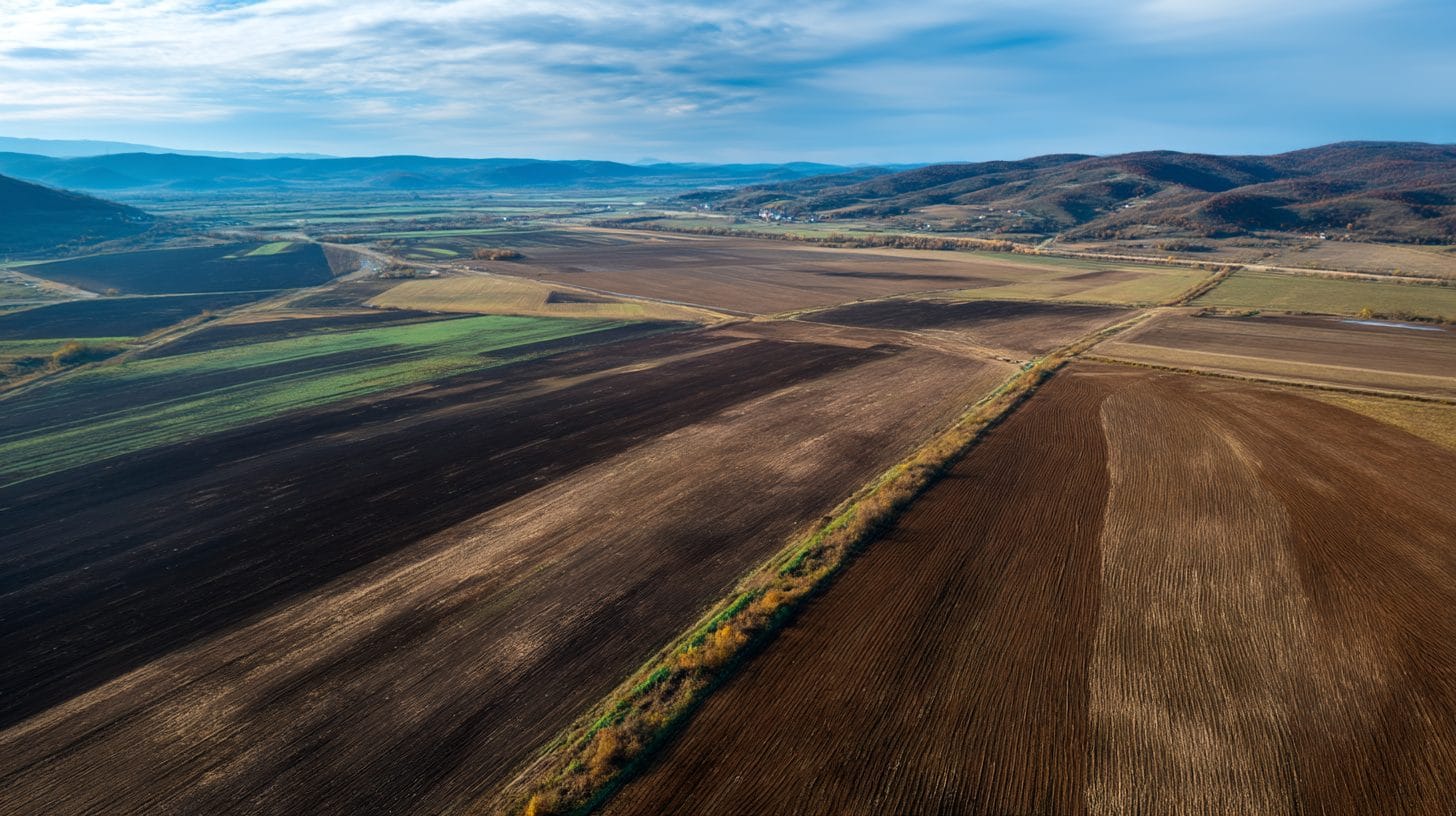
The landscape of Clienceni is poised to evolve dramatically as new infrastructure projects draw investors and require modifications to land use patterns. The shift from agricultural land to residential, commercial, and industrial zones is a significant concern as demand for housing and services rises. Understanding how future infrastructure will reshuffle land use categories is crucial for responsible urban planning.
As infrastructure investments unfold, landowners may face pressures to sell or repurpose their land, leading to the potential displacement of existing agricultural practices. The challenge lies in striking a balance between meeting the needs of a growing population while retaining agricultural land to ensure food security.
Planning authorities in Clienceni must engage with local stakeholders, including farmers, residents, and business owners, to facilitate conversations about land use. Effective zoning regulations can help manage these changes, allowing the community to adapt without compromising the agricultural heritage of the region.
4. Challenges Posed by Increased Development
While infrastructure development offers many benefits, it also brings challenges that could hinder Clienceni’s prospects for sustainable growth. Increased population density resulting from improved connectivity can strain existing infrastructure, including transportation, utilities, and waste management systems.
Local governance must be proactive in anticipating these challenges by investing in the expansion and modernization of essential services. Coordinated urban planning will be necessary to accommodate the anticipated growth linked to future infrastructural changes. This may include developing comprehensive master plans that outline the vision for Clienceni’s future, integrating public participation processes for community input, and establishing partnerships with private sector actors to ensure successful implementation of infrastructure projects.
5. Conclusion
As Clienceni, Ilfov, prepares for massive infrastructure development, the implications on land use and the environment must not be overlooked. By providing robust frameworks for evaluation and engaging various stakeholders in the planning process, the commune can harness the benefits of change while safeguarding its unique identity and resources for generations to come.
It is vital that plans for future infrastructure in Clienceni are approached holistically, considering economic viability, environmental integrity, and social equity. Research and policy effort must be directed at comprehensively understanding how future infrastructure land in Clienceni will impact not only the landscape but also the communities that call it home. By fostering a collaborative environment among residents, planners, developers, and environmentalists, Clienceni can emerge as a thriving urban hub that retains its charm and vitality amidst the demands of modernization. As development marches onward, proactive strategies will hold the key to achieving a future where infrastructure works for the benefit of all, ensuring that Clienceni remains a desirable and sustainable place to live and work.
Interested in Land Investment in Romania?
We specialize in high-yield land and property opportunities for serious investors.
VIEW OUR CURRENT PORTFOLIOSecure your investment with Land For Investors.

Published: March 19, 2025