

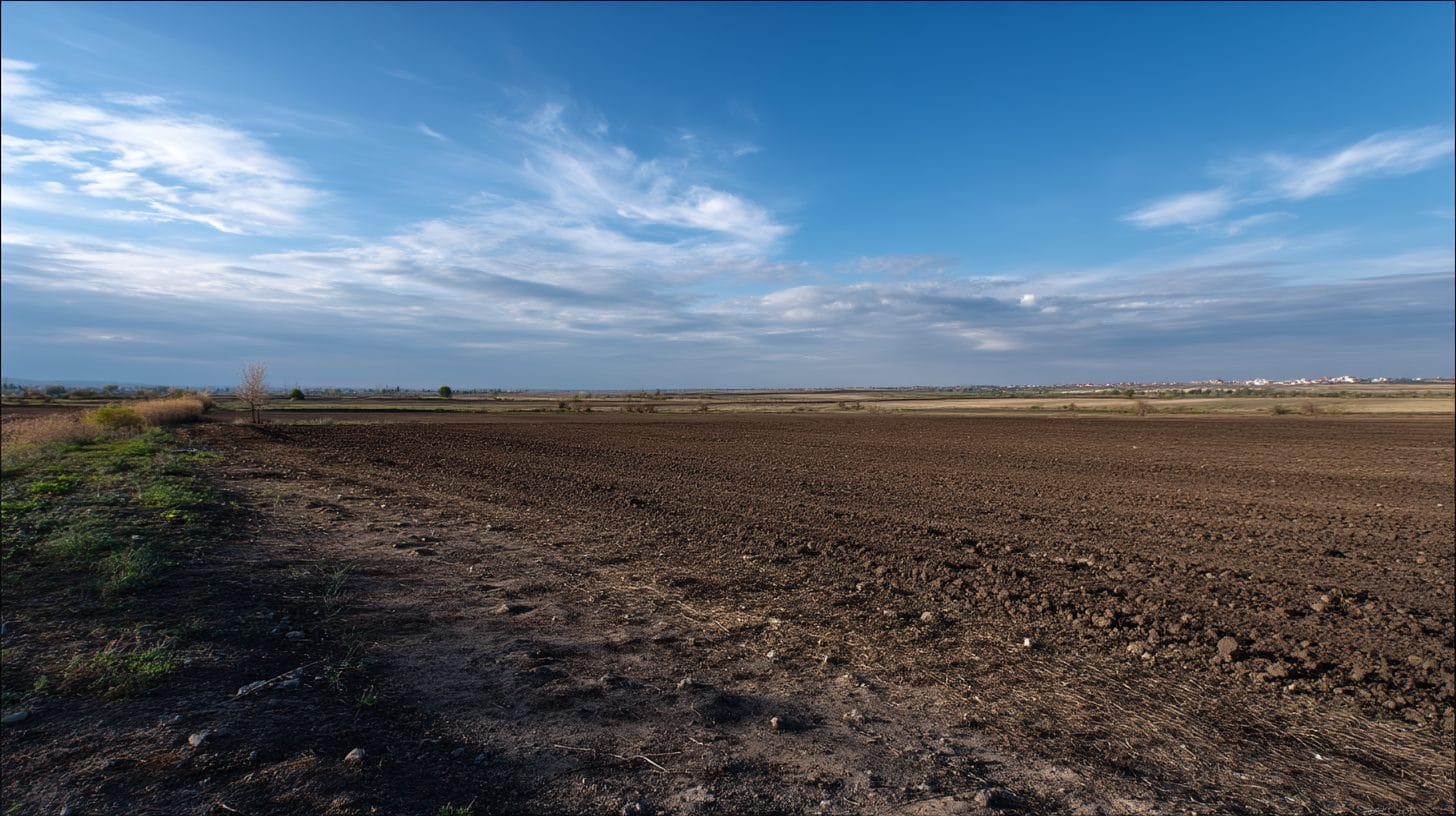
Romania’s renewable energy sector is on an upward trajectory, and many investors are eyeing wind farm land close to Brasov as a strategic entry point into this market. With the growing need for sustainable energy across Eastern Europe and a favorable regulatory framework, investing in land suitable for wind energy projects in this region offers a compelling opportunity. As Romania aims to reduce its reliance on fossil fuels, regions with high wind potential like the area surrounding Brasov are drawing increased attention.
Why Brasov Stands Out for Wind Energy Investment
Brasov County, located in central Romania, is not only a tourism and industrial hub but also a rising location for alternative energy investments. The surrounding terrain, particularly in the Transylvanian Plateau and Carpathian foothills, displays considerable wind potential that makes it ideal for the development of wind farms.
Wind measurements in many areas close to Brasov reveal sustained wind speeds suitable for profitable turbine operation. Additionally, proximity to national grid infrastructure and developed road networks enhances the practical need for land acquisition here. Compared to Western European markets, land prices in Romania remain relatively affordable, and the regulatory environment is increasingly transparent and supportive of foreign capital.
Current Land Prices and Associated Acquisition Costs
The cost of wind farm land close to Brasov varies depending on its zoning status, wind measurements, accessibility, and infrastructure proximity. As of early 2024, undeveloped agricultural plots or pastureland suitable for wind farms typically range from €1.2 to €3.5 per square meter. Prime locations with existing road access and solid wind data can demand upwards of €5 per square meter, especially if they’re near substations or existing energy corridors.
However, investors should be aware that aside from the purchase price, additional costs can quickly accumulate. Feasibility studies, environmental permits, and connection agreements with Romania’s national energy grid (Transelectrica) are mandatory for operational clearance. These may add between €50,000 to €150,000 to initial project budgets, depending on the size and scope of the planned wind farm.
Zoning Regulations and Eligibility for Development
Buying land for wind energy in Romania entails navigating zoning regulations governed by local and national authorities. Parcels must generally be reclassified to energy or industrial use, which involves submitting a detailed zoning plan (PUZ – Plan Urbanistic Zonal). Investors are advised to work with Romanian urban planning specialists to ensure proper rezoning protocols and alignment with development guidelines.
Additionally, environmental impact assessments are required by law for any wind energy project. The Romanian Environmental Protection Agency evaluates site compatibility with biodiversity conservation and land use norms. Areas designated as Natura 2000 or other protected sites face stricter controls, possibly affecting project timelines and profitability.
Trends in Renewable Energy and Wind Power in Romania
Wind energy currently accounts for around 14% of Romania’s electricity production, but the government has laid out plans to expand its renewable mix substantially by 2030. Backed by EU funding under the Green Deal and Recovery and Resilience Facility, Romania is expected to attract greater volumes of green energy investment.
The Transylvanian region, including Brasov County, is prioritized for expansion due to favorable wind conditions and mid-level elevation zones that optimize airflow efficiency. As such, land close to Brasov is increasingly being scoped by wind energy developers for both small-scale independent operations and large-scale institutional projects.
Moreover, the Romanian Energy Regulatory Authority (ANRE) has simplified permitting for green energy, reducing bureaucratic hurdles for foreign investors. Fast-tracked licensing and transparent procurement mechanisms allow smoother project onboarding, increasing investor confidence.
Infrastructure and Grid Access Considerations
A key factor when buying wind farm land close to Brasov is its access to Romania’s national transmission grid. Areas within 15 kilometers of existing substations or transmission lines are particularly sought after, as they reduce connection costs and increase the chances of swift project viability.
Transelectrica, Romania’s grid operator, continues to modernize and expand the grid infrastructure in line with the country’s green energy goals. Investors are encouraged to target zones already highlighted in regional transmission expansion plans, as these will likely receive priority during network upgrades.
Also important is access to local roadways that enable the transport of turbine components. Difficult terrain or limited access can significantly raise development and logistic costs, even if the land offers favorable wind conditions.
Legal Due Diligence for Foreign Buyers
Foreign investors can legally purchase land in Romania, although for agricultural and greenfield sites, it is often recommended to structure acquisitions through Romanian legal entities. This approach can streamline the due diligence process and facilitate engagement with local authorities.
Key checks involve verifying ownership title through the National Land Registry (ANCPI), investigating lien or encumbrance status, and confirming land usage classifications. Investors should also ensure there are no ongoing legal disputes or inheritance-related complications that could impede transfer of ownership.
Renewable energy firms looking for land for long-term projects should also explore long-term lease structures, particularly in communes where direct acquisition is restricted or leased public land can be secured at favorable rates.
Investor Insights and Long-Term Outlook
The long-term investment case for wind farm land close to Brasov is strong. Beyond its rising energy demand and strategic location in the heart of Romania, Brasov offers political stability, skilled labor, and access to EU-backed sustainability programs. The cost arbitrage compared to Western Europe makes entry into Romania’s green energy space particularly attractive for mid-sized private equity firms and institutional investors.
Thus far, the early-mover advantage remains available. While some established players have already secured tracts of land in high-wind corridors, there remain substantial undeveloped parcels open to acquisition and feasibility studies. Notably, opportunities increase in the southern and southeastern outskirts of Brasov County, where municipal openness to green initiatives is robust.
Combined with the long-term revenue streams from feed-in tariffs or power purchase agreements (PPAs), investors view wind farm land investment in this region as both a climate-aligned and economically sound strategy.
Conclusion
For those evaluating land opportunity in Eastern Europe, buying wind farm land close to Brasov positions investors at the forefront of Romania’s energy transition. With favorable wind conditions, a pro-renewable investment climate, and relatively low entry costs, Brasov County offers a strategic blend of profitability and sustainability. As green energy demand surges across the continent, early investment in the right parcels not only supports decarbonization goals but can also yield significant long-term returns.
Interested in Land Investment in Romania?
We specialize in high-yield land and property opportunities for serious investors.
VIEW OUR CURRENT PORTFOLIOSecure your investment with Land For Investors.

Published: January 20, 2026