

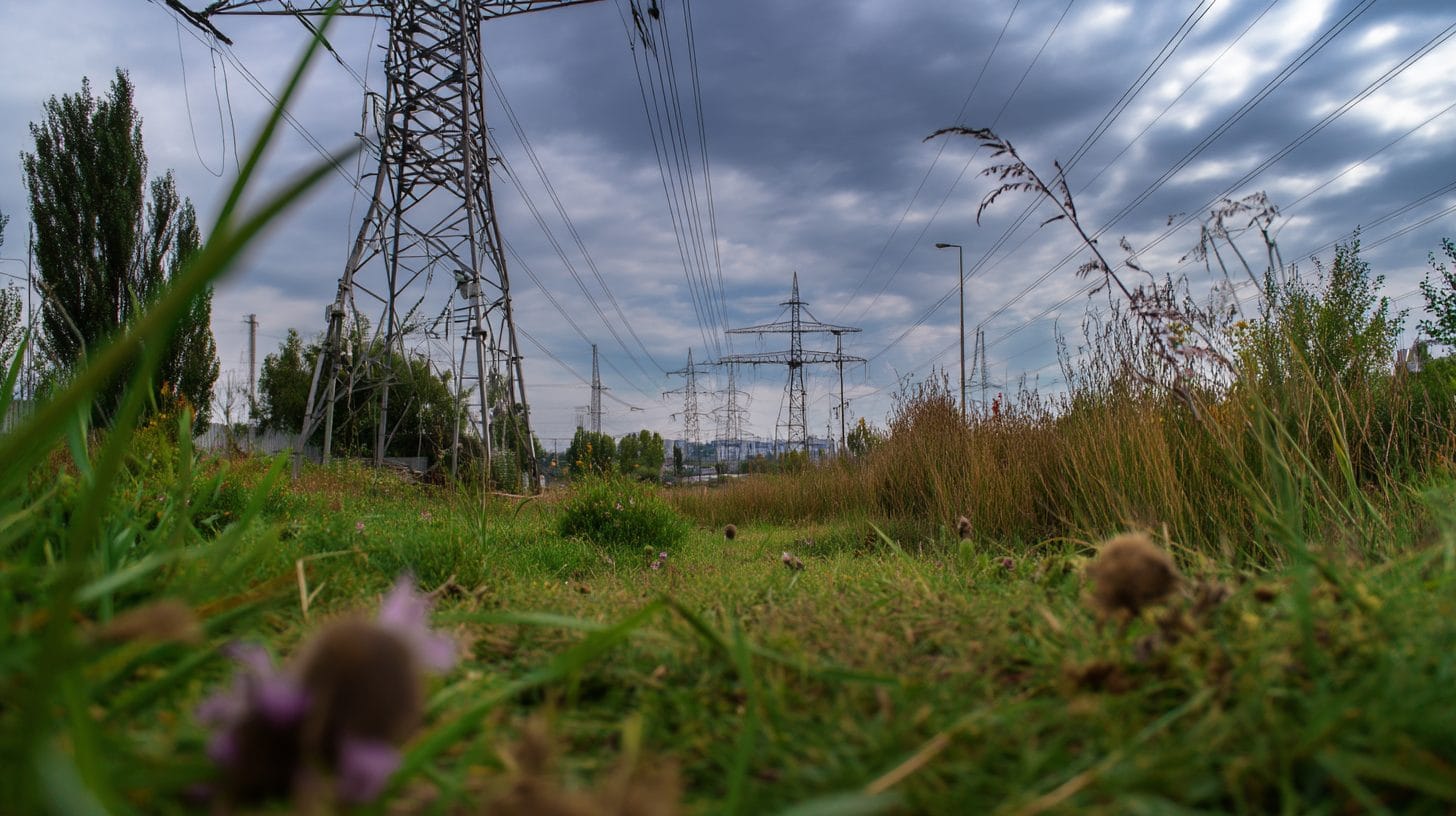
Bucharest Real Estate: The Impact of Neighborhood Revitalization on Property Values
As the capital city of Romania, Bucharest is a vibrant and dynamic metropolis that has evolved significantly over the past two decades. The blend of historical architecture, modern skyscrapers, and a rich cultural heritage makes Bucharest an attractive destination for investors and homebuyers alike. One of the most significant trends that have emerged in recent years is neighborhood revitalization, which has had a profound impact on property values throughout the city. This article explores the various dimensions of neighborhood revitalization impact in Bucharest, focusing on economic, social, and aesthetic factors that influence real estate markets.
Neighborhood revitalization can be defined as a comprehensive process aimed at improving the physical, social, and economic conditions within a specific area, often underpinned by public and private initiatives. In Bucharest, neighborhoods such as Tineretului, Rahova, and Militari have undergone considerable transformation, leading to an increase in property values that reflects the overall health of the local real estate market. By revitalizing these neighborhoods, Bucharest’s municipal authorities aim to foster sustainable urban development, enhance the quality of life for residents, and attract new investments.
One notable example of neighborhood revitalization in Bucharest is the transformation of the area around the Tineretului Park. Once underutilized and somewhat neglected, this neighborhood has seen significant investment in infrastructure, including new residential developments, improved transportation links, and enhanced public spaces. The revitalization efforts have attracted both local and international investors, resulting in an upward trajectory in property values. Real estate agents report that properties in the Tineretului neighborhood have appreciated by an average of 30% over the past five years, driven largely by the enhanced desirability of the area.
In addition to economic factors, the impact of neighborhood revitalization on property values in Bucharest can also be observed through social changes. As neighborhoods improve, they tend to attract a more diverse demographic, including young professionals, families, and expatriates. This influx of new residents leads to an increased demand for housing, which subsequently drives up property values. Moreover, the social fabric of revitalized neighborhoods often becomes more cohesive as community engagement initiatives, cultural events, and local businesses flourish. As communities become vibrant and interactive, these social aspects further enhance the desirability of the area, making it an attractive option for potential buyers.
Aesthetic improvements resulting from neighborhood revitalization efforts play a crucial role in influencing property values as well. Urban beautification projects, which include the renovation of historic buildings, the introduction of green spaces, and the improvement of streetscapes, significantly enhance the visual appeal of a neighborhood. In Bucharest, such initiatives have not only increased property values but have also fostered a sense of pride among residents. Homebuyers are more willing to invest in an area that boasts an improved aesthetic environment, leading to a burgeoning demand for real estate.
Furthermore, studies suggest that neighborhoods with a strong sense of place—where residents identify with their surroundings—tend to experience higher property values. This correlation demonstrates that neighborhood revitalization strategies, which prioritize the unique characteristics and history of an area, are essential in enhancing long-term property value stability.
However, it is essential to consider the implications of neighborhood revitalization on existing residents. Gentrification, albeit an often unintended consequence of revitalization efforts, can lead to the displacement of low-income residents as property values rise and the cost of living increases. In Bucharest, municipal authorities must balance revitalization with social responsibility, ensuring that the benefits of neighborhood improvements are equitably distributed across the community. Programs that promote affordable housing and support local businesses can mitigate the adverse effects of gentrification while promoting inclusive growth.
The neighborhood revitalization impact in Bucharest can also be seen in the context of attracting foreign investments. As property values rise, international investors are increasingly drawn to the opportunities presented in revitalized neighborhoods. The interest from global capital can act as a catalyst for further revitalization efforts, leading to a positive feedback loop that enhances local economies. This heightened investment not only increases property values but can also result in job creation and improved public services, further enhancing the overall appeal of Bucharest as a prime real estate market.
As the city continues to evolve, ongoing revitalization projects are expected to reshape the landscape of Bucharest in distinct ways. The role of technology, particularly Smart City initiatives, stands as a key element in driving these transformations. Innovations in urban planning, data collection on resident patterns, and improved transportation systems can greatly enhance the effectiveness of revitalization efforts, leading to a more prosperous and interconnected city.
In summary, the neighborhood revitalization impact in Bucharest is manifesting across economic, social, and aesthetic dimensions, with a clear influence on property values. As neighborhoods transform and reshape their identities, they attract a diverse demographic, resulting in increased demand for residential properties. Moreover, enhanced infrastructure, cultural vibrancy, and improved aesthetics all elevate the desirability of revitalized neighborhoods, acting as catalysts for rising property values.
While the adverse effects of gentrification remain a concern, the opportunities presented by revitalization can pave the way for sustainable urban development. By maintaining a focus on social responsibility, Bucharest can harness the benefits of rejuvenated neighborhoods while ensuring that all residents have the opportunity to thrive within an increasingly dynamic real estate landscape.
As we look ahead, the future trajectory of Bucharest’s real estate market will undoubtedly reflect the ongoing impacts of neighborhood revitalization. The continuous evolution of the city’s neighborhoods will play a crucial role in shaping the identity of Bucharest, solidifying its position as a desirable destination for investors and residents alike. In the context of global markets, understanding the neighborhood revitalization impact in Bucharest will be paramount for stakeholders aiming to navigate the complexities of the ever-changing urban landscape.
Interested in Land Investment in Romania?
We specialize in high-yield land and property opportunities for serious investors.
VIEW OUR CURRENT PORTFOLIOSecure your investment with Land For Investors.

Published: February 19, 2025