

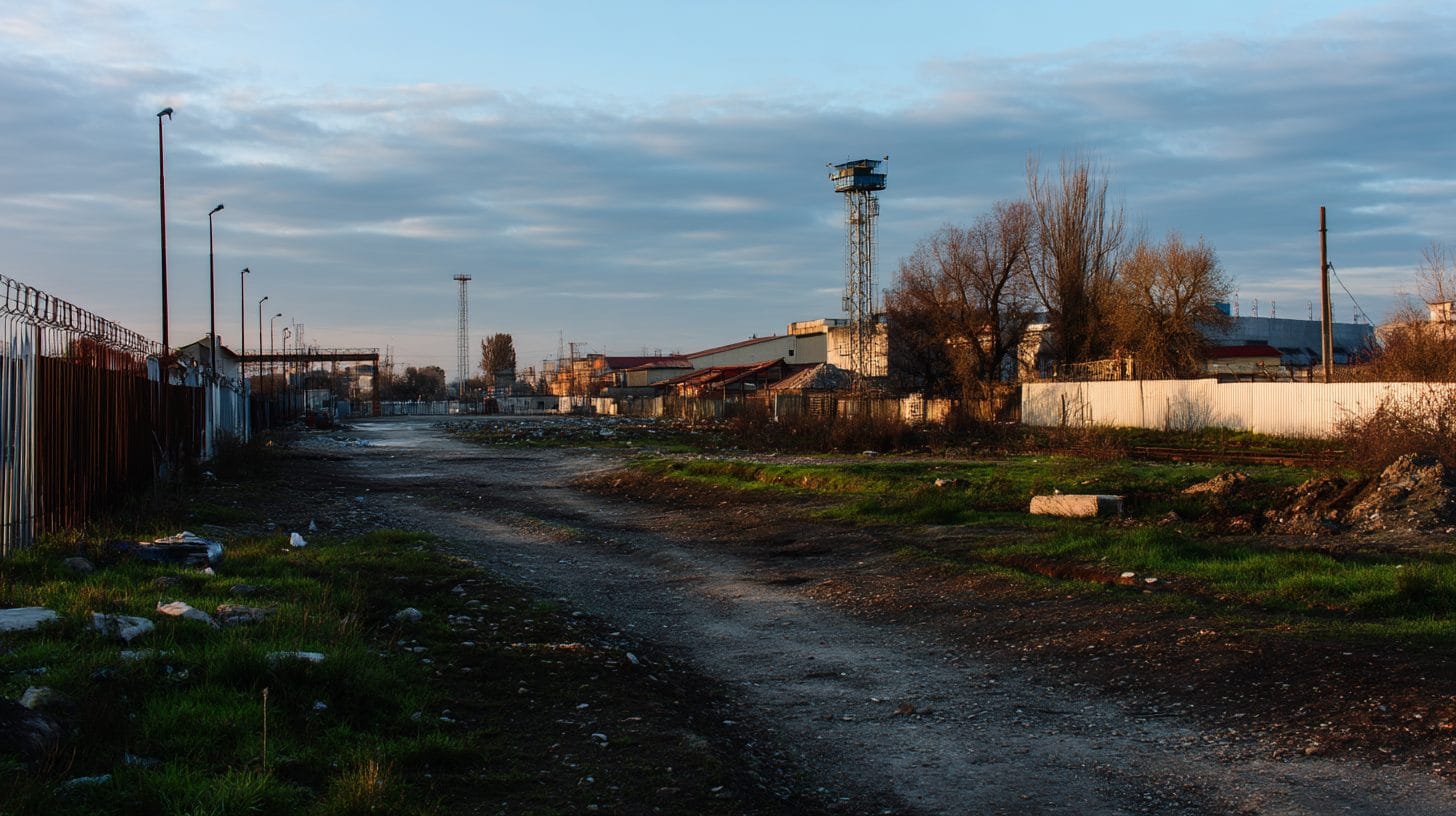
Bucharest Real Estate: The Future of Sustainable Housing
As Romania’s vibrant capital, Bucharest is undergoing an unprecedented transformation in its real estate sector, with a particular focus on sustainable housing. With increasing urbanization, the rising demand for housing, and the need to address climate change, sustainable housing is emerging as a pivotal element in shaping the future of real estate in Bucharest. This article delves into the current trends, challenges, and opportunities associated with sustainable housing developments in Bucharest, illuminating its path toward a greener future.
The Rise of Sustainable Housing in Bucharest
Over the last decade, Bucharest has evolved from a city with a mixed heritage of traditional architecture to a sprawling metropolis characterized by modern high-rises and rapidly expanding residential neighborhoods. However, with growth comes responsibility. The evolving climatic conditions and urban pollution have heightened the urgency for sustainable housing solutions that can accommodate the city’s growing population while minimizing environmental impact.
Sustainable housing is essential for enhancing the quality of life in urban areas. It integrates energy-efficient designs with renewable materials, ensuring that the homes remain environmentally friendly throughout their lifecycle. The importance of creating spaces that benefit inhabitants while protecting the planet has gained widespread recognition among policymakers, developers, and citizens alike.
Government Initiatives and Regulations
The Romanian government has been proactive in advocating for sustainable housing practices through legislation and incentives. Various programs have been introduced to promote energy efficiency and the use of renewable energy sources in new housing developments. This focus aligns with the broader European Union objectives aimed at reducing greenhouse gas emissions and promoting a circular economy.
Bucharest’s local authorities have adopted actions such as stricter building codes, financial incentives for green construction practices, and public awareness campaigns about the benefits of sustainable living. The push towards sustainability has resulted in an increased interest in building materials that are not only locally sourced but also possess a low environmental footprint.
Innovative Housing Designs
The future of sustainable housing in Bucharest is marked by innovation and creativity in architectural designs. Developers are increasingly opting for smart technology to optimize energy consumption and enhance living conditions. Features such as solar panels, green roofs, rainwater harvesting systems, and energy-efficient heating and cooling systems are becoming standard in the design of new housing projects.
Green living spaces are also evolving. Co-housing and community-led housing initiatives are emerging as popular options among younger generations seeking affordable housing. These innovative housing solutions encourage efficient resource use, allowing residents to share amenities while minimizing their overall footprint. The trend of vertical gardens and community parks is increasingly present in new residential developments, providing important green spaces that contribute positively to the urban environment and residents’ well-being.
The Role of Private Developers
Private developers in Bucharest are stepping up to meet the demand for sustainable housing, motivated not only by regulatory pressures but also by a changing market landscape. Consumers are becoming increasingly eco-conscious, often factoring sustainability into their purchasing decisions. Developers that prioritize sustainable building practices are finding themselves at a significant competitive advantage, both in attracting buyers and in securing financing.
Many private enterprises are also investing in renewable energy technologies and innovative construction methods to reduce operational costs in the long term. The use of modular construction and prefabricated materials is gaining traction as they often result in less waste and reduced construction time, an essential aspect in the context of the rapid urban expansion in Bucharest.
Sustainability and Affordability
One of the pressing challenges facing sustainable housing future in Bucharest is the balance between sustainability and affordability. Sustainable building practices and energy-efficient technologies can sometimes lead to higher upfront costs. Therefore, there is a growing conversation about ensuring that sustainable housing remains accessible to diverse population segments, especially low-income families.
Various financial schemes and partnerships between the government and private sector are being developed to address these affordability issues. These initiatives aim to subsidize the costs of building sustainable homes, making them more accessible to a wider audience. By ensuring that sustainable housing is affordable, Bucharest can secure a path towards a more inclusive and environmentally conscious urban future.
Community Engagement and Awareness
A significant aspect of the sustainable housing future in Bucharest is community engagement. Local residents’ involvement in the decision-making process regarding housing developments fosters a sense of ownership and responsibility towards their environment. Awareness campaigns on the benefits of sustainable living practices encourage individuals to adopt more eco-friendly lifestyles, which in turn elevates the importance of sustainable housing.
As citizens become more informed about environmental issues, they often voice their concerns at community meetings and city forums, advocating for transparency and accountability from developers and local governments. This participatory approach is seen as essential in shaping sustainable housing policies that reflect the desires and needs of the community.
The Future Outlook
As Bucharest continues to evolve, the sustainable housing sector is poised to become a cornerstone of urban development. The synergy between government, private developers, and community stakeholders will dictate the success of sustainable practices in real estate. With the right investment in technologies and community collaboration, Bucharest has the opportunity to set an example for other cities in Romania and beyond.
Furthermore, as global economic conditions evolve, Bucharest can tap into new funding opportunities aimed at promoting green building practices. The rising interest in eco-tourism and sustainable urban living could provide additional revenue streams for the capital city, supporting local economies while prioritizing the environment.
Conclusion
Sustainable housing future is not merely a trend but an essential paradigm shift that Bucharest must embrace to ensure the well-being of its inhabitants and the health of its environment. As government, developers, and the community work in concert, the capital city stands to become a model for sustainable urban living. With a focus on innovative designs, community engagement, and sound policies, Bucharest can confidently stride towards a brighter, sustainable housing future, benefitting both its residents and the planet. The time for sustainable transformation in Bucharest is now, and by prioritizing sustainability in housing, the city can secure a legacy for generations to come.
Interested in Land Investment in Romania?
We specialize in high-yield land and property opportunities for serious investors.
VIEW OUR CURRENT PORTFOLIOSecure your investment with Land For Investors.

Published: February 19, 2025