

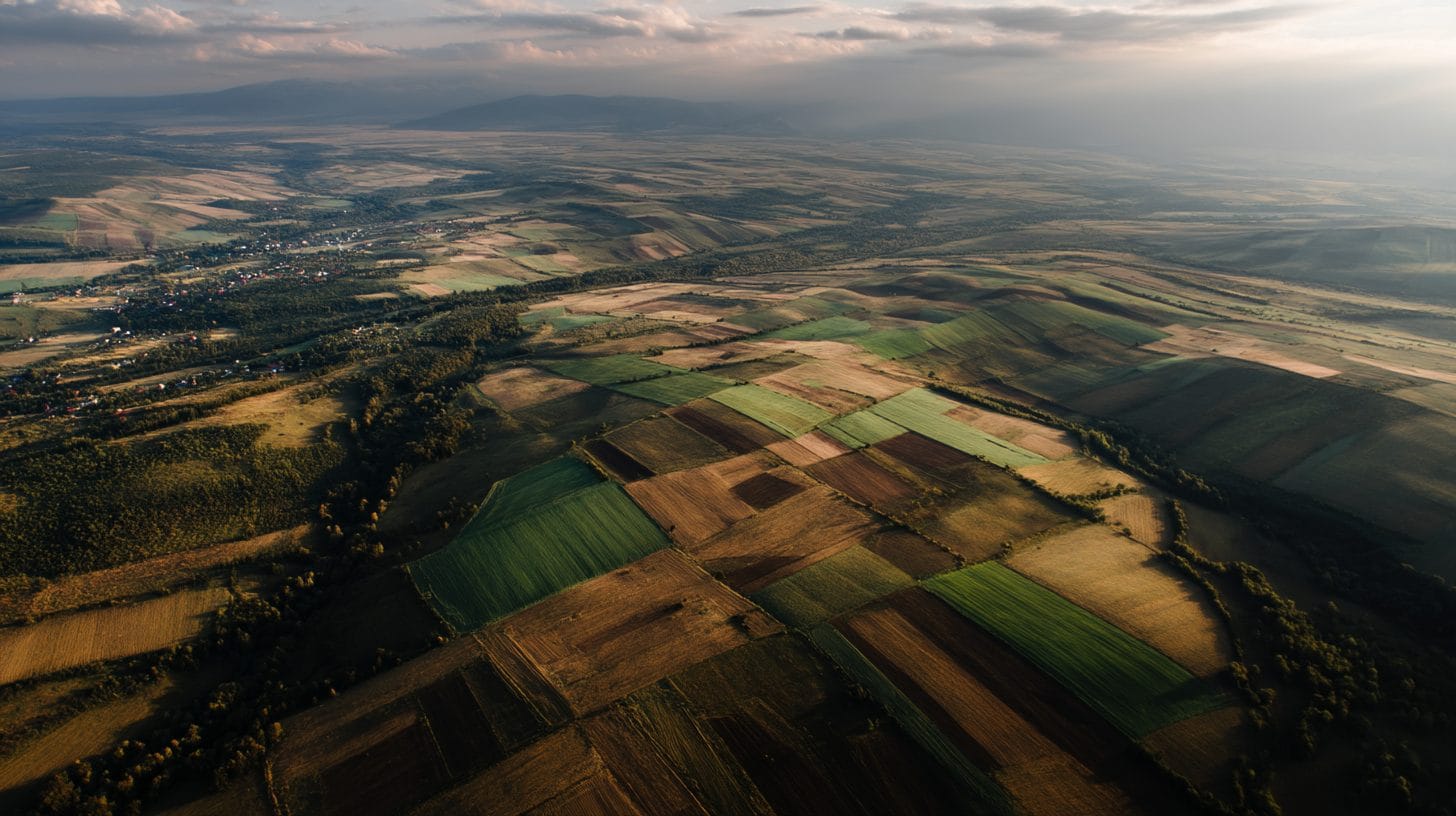
Analyzing Land Price Fluctuations in the Romanian Market
The real estate market represents a critical aspect of a nation’s economic health, reflecting not only the value of tangible assets but also the broader economic environment. In Romania, as in many countries, land price fluctuations constitute a key area of interest for investors, policymakers, and residents alike. A comprehensive understanding of these fluctuations, their causes, and implications is essential for making informed decisions within the ever-evolving Romanian market.
Land price fluctuations in Romania have been influenced by a multitude of factors ranging from economic growth rates, demographic changes, urbanization, and government policies to global market trends. By scrutinizing these factors, one can better contextualize the current state of land prices and their expected trajectory in the foreseeable future.
Over the past decade, Romania has experienced significant economic progress, with GDP growth rates consistently surpassing those of other countries in the region. This economic expansion has been fueled by rising foreign investments, an influx of European Union funds, and a booming services sector. As a result, the demand for land has escalated, leading to price increases in urban areas, particularly in Bucharest, Cluj-Napoca, and Timișoara.
Notably, land prices have shown considerable variability across different regions of Romania. Major cities have witnessed substantial surges, while rural areas have experienced more stable price changes. This disparity can be attributed to varying demand levels, infrastructure development, and accessibility. Major urban centers have seen an influx of population seeking employment opportunities, leading to a swift urbanization process that inevitably drives demand for residential and commercial land.
Furthermore, land price fluctuations in Romania are closely linked to demographic transitions. The ongoing trend of urban migration, particularly among younger populations, results in heightened demand for housing and, consequently, land. As cities expand and populations increase, the competition for available land intensifies, leading to higher prices. This phenomenon is compounded by the limited availability of land in strategic locations.
Government policies also play a significant role in shaping land prices. Regulatory frameworks concerning zoning, land use, and building permits directly influence the land market. Additionally, government initiatives aimed at stimulating economic growth can create ripple effects in land prices. For example, investments in transportation infrastructure often lead to improved access to certain areas, thereby boosting land prices. The Romanian government has made efforts to streamline the permitting processes and enhance infrastructure, which bodes well for future land price stability and growth.
External economic factors, such as global market trends, commodities pricing, and geopolitical situations, also have a bearing on land price fluctuations in Romania. The country’s integration into the European Union has exposed it to direct competition and investment opportunities from abroad. Economic uncertainties or downturns in key markets can lead to volatility in land prices, as foreign investments may waver.
Beyond macroeconomic considerations, environmental factors also contribute to land price dynamics. Areas susceptible to natural disasters such as flooding or landslides may see depressed land values as potential buyers factor in the risk associated with these vulnerabilities. Conversely, lands located in more stable areas or those with advantageous topographical features can command premium prices.
With advancements in technology and data analytics, the real estate industry has gained access to sophisticated analytical tools and predictive models that help in assessing land price fluctuations. These technologies allow for a deeper understanding of market trends, enabling investors to make more informed decisions. Entities engaged in land transactions are increasingly utilizing big data to monitor market sentiment, property valuations, and trends in land price fluctuations in Romania. This shift towards data-driven decision-making represents a significant evolution in the approach to real estate investment in the country.
Despite the robust growth in land prices observed in urban centers, challenges such as corruption, bureaucracy, and unclear property rights often hinder investment potential and market efficiency. Addressing these systemic issues will be imperative if Romania aims to create a stable environment for sustained land price appreciation while attracting further investment.
Forecasting land price fluctuations in Romania involves examining both historical trends and current indicators. Observers predict that land prices will continue to rise in the long term due to sustained economic growth, urbanization, and anticipated population increases. Nevertheless, short-term price corrections may occur, particularly in response to external economic shocks or changes in government policy.
In conclusion, land price fluctuations in Romania are the product of a complex interplay of economic, demographic, governmental, and environmental factors. Their analysis provides insights not only into the current state of the real estate market but also hints at future trends and investment opportunities. As Romania continues to navigate its economic journey, understanding these fluctuations will remain vital for all stakeholders involved, from policymakers and investors to everyday citizens seeking housing and land ownership.
In grabbing a foothold within such a competitive landscape, leveraging insights into land price fluctuations in Romania can facilitate informed decision-making and strategic planning, ultimately contributing to a more robust real estate market and, by extension, a healthier national economy. As the Romanian market continues to evolve, the importance of monitoring these fluctuating prices will undoubtedly increase, serving as a critical barometer of the country’s economic vitality and investment potential.
Interested in Land Investment in Romania?
We specialize in high-yield land and property opportunities for serious investors.
VIEW OUR CURRENT PORTFOLIOSecure your investment with Land For Investors.

Published: April 15, 2025