

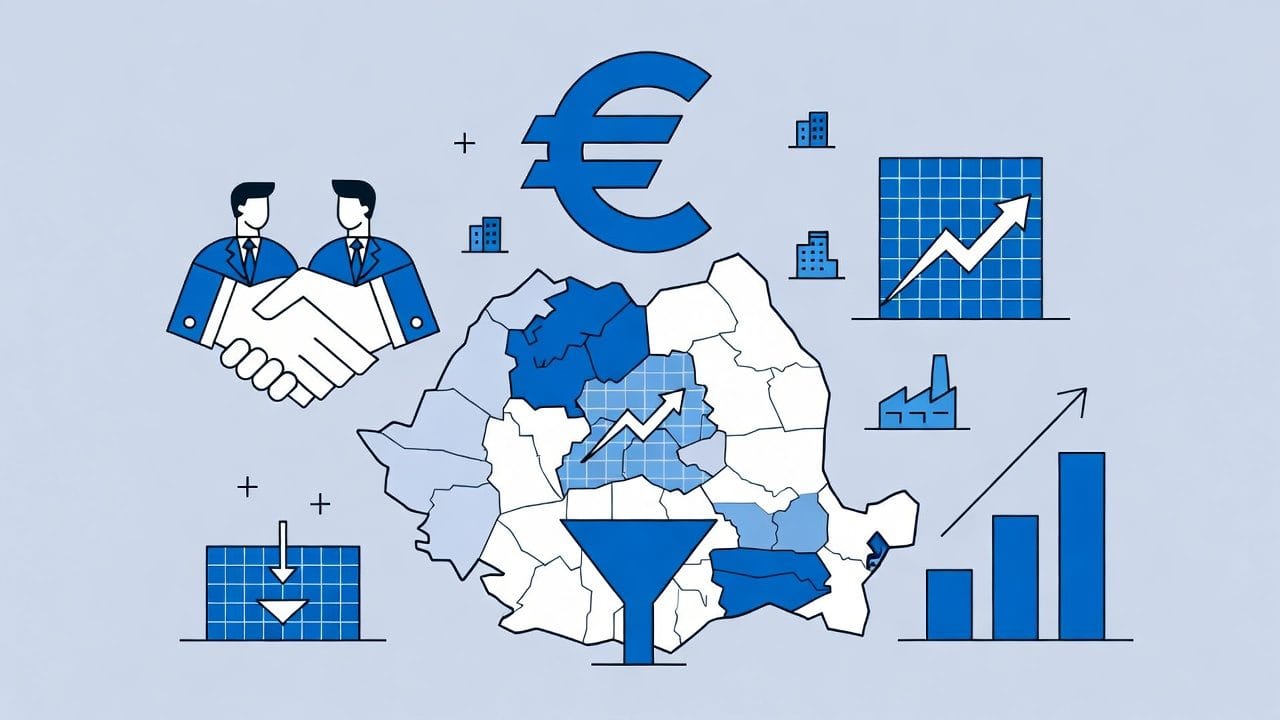
Investing in agricultural land off market in Dobrogea presents a unique opportunity for savvy investors looking to diversify their portfolios. This picturesque region, located in southeastern Romania, is known for its fertile plains and favorable climate, making it an attractive target for agricultural development. Despite its potential, much of the agricultural land in Dobrogea remains off market, which can prove challenging for investors who are accustomed to traditional real estate listings. In this article, we will explore the opportunities, risks, and potential returns associated with investing in off-market agricultural land in Dobrogea.
Understanding the Dobrogea Region
The Dobrogea region is characterized by its distinct geography, featuring a mix of plains and plateaus surrounding the Danube Delta and the Black Sea. This diversity in landscape is not only beautiful but also creates ideal conditions for a variety of agricultural enterprises. The region is known for the production of crops such as corn, wheat, and sunflowers, as well as vineyards and fruit orchards. The agricultural potential, coupled with its relatively low land prices compared to other European countries, makes Dobrogea an enticing option for international investors.
Identifying Off-Market Opportunities
Off-market agricultural land refers to parcels that are not publicly listed for sale, which means they often carry potential for greater returns due to less competition. To identify these opportunities, investors must engage in thorough market research and networking. Establishing relationships with local farmers, landowners, and real estate professionals can provide insights into potential sales that may not appear on traditional platforms. Additionally, county agricultural offices or land registries can be invaluable resources for understanding land ownership and any recent transfers that may indicate upcoming sales.
While the allure of off-market land is significant, it is essential for potential buyers to exercise diligence. Evaluating the land’s current use, soil quality, water access, and surrounding infrastructure is crucial for determining its future profitability. An expert evaluation can provide insights into maximizing yields and aligning investments with market demand.
Opportunities in Agricultural Development
Investing in off-market agricultural land in Dobrogea can yield numerous advantages. One major opportunity lies in the region’s comprehensive EU subsidies for agricultural development. Foreign investors can benefit from these subsidies, which can significantly offset initial costs, making it easier to establish a productive agricultural venture. Moreover, with Romania being a member of the European Union, there is increased access to international markets for agricultural products.
Sustainable agricultural practices are also becoming increasingly popular, opening doors for innovative investors interested in organic farming or agro-tourism, both of which can attract higher price points. The growing interest in sustainability has a positive ripple effect on land values, making it an opportune time to invest.
Risks and Due Diligence
Despite the potential for profit, investing in off-market agricultural land in Dobrogea is not without its risks. Landowners may have varying motivations for selling, and their pricing strategies can be influenced by personal circumstances rather than market valuations. Investors must be prepared to navigate these dynamics and negotiate fair prices based on proper assessments.
Legal complexities also exist, particularly for foreign investors. It is essential to ensure compliance with Romanian property laws and regulations, which might differ significantly from those in the investor’s home country. For this reason, hiring local legal counsel who understands the intricacies of Romanian real estate law can mitigate potential pitfalls.
Additionally, the agricultural landscape is subject to risks stemming from climate change, market fluctuations, and changes in EU agricultural policies. Investors should conduct thorough market analysis and risk assessments before committing to any purchase.
Return on Investment Considerations
When evaluating the potential return on investment (ROI) from agricultural land in Dobrogea, one must consider various factors affecting profitability. Crop selection, land management practices, and market conditions can greatly influence earnings. On average, the ROI from agricultural investments can be substantial, particularly when leveraging EU subsidies and adopting modern farming techniques.
Moreover, farmland in Romania has been historically viewed as a stable asset class, especially in light of global food security concerns. As populations grow and food demand increases, agricultural land may become more valuable over time, presenting investors with an opportunity for long-term capital appreciation.
Engaging with local agricultural cooperatives or farmer associations can also open avenues for shared resources and expertise, further enhancing potential returns on investment.
Conclusion
In conclusion, agricultural land off market in Dobrogea offers a distinct opportunity for foreign and English-speaking investors willing to delve into the Romanian agricultural sector. While navigating the complexities of off-market transactions and understanding the associated risks is imperative, the potential rewards can be significant both in terms of immediate yield and long-term appreciation. With careful research, strategic planning, and a commitment to sustainable practices, investors can harness the agricultural potential of Dobrogea and make impactful investments in the region’s future.
Interested in Land Investment in Romania?
We specialize in high-yield land and property opportunities for serious investors.
VIEW OUR CURRENT PORTFOLIOSecure your investment with Land For Investors.

Published: January 25, 2026