

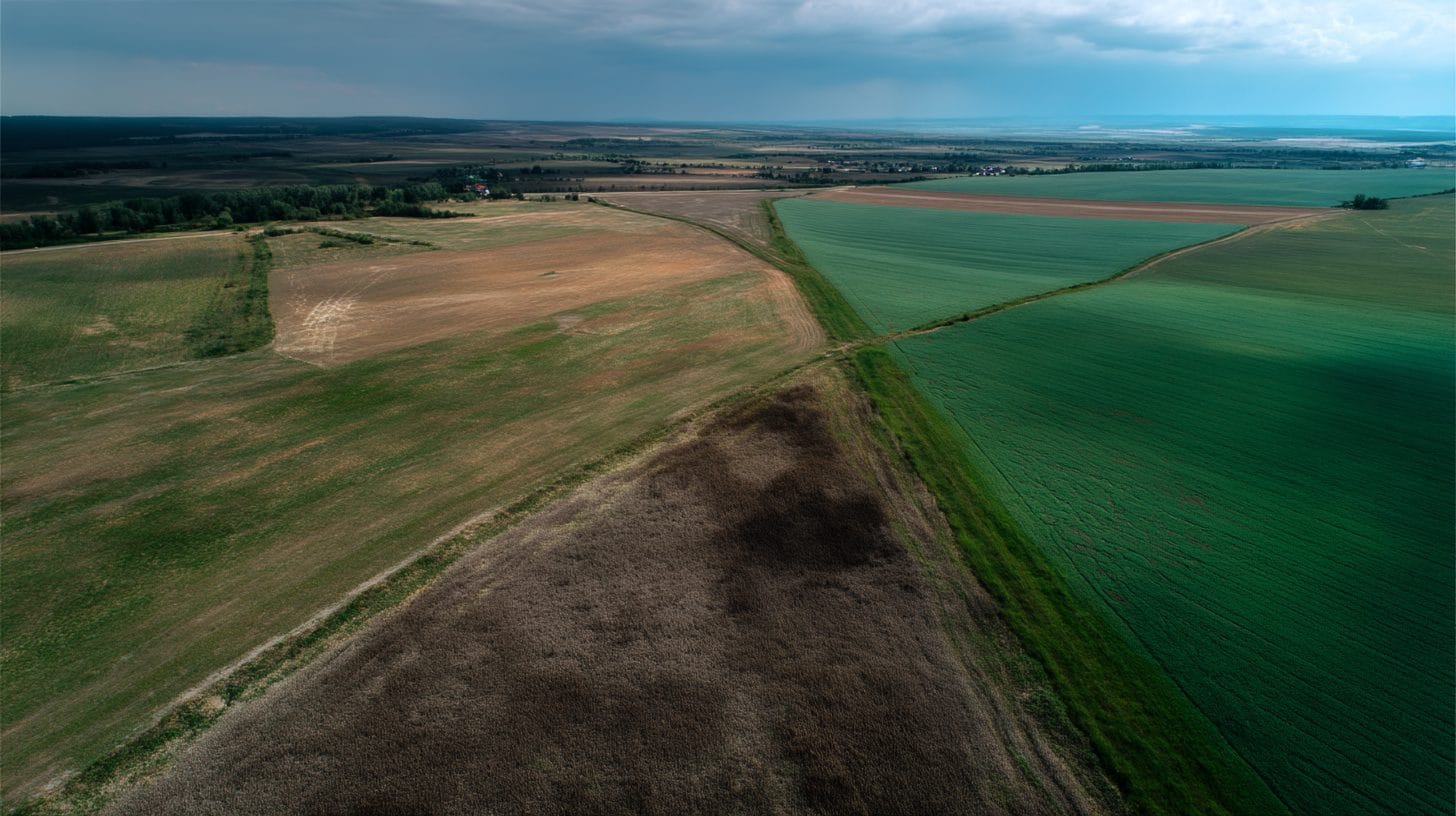
A Practical Guide to Urban Land Use Planning Near Bucharest
Urban land use planning is a critical aspect of managing and developing cities sustainably, particularly in dynamic regions such as Bucharest, Romania. As the capital and largest city, Bucharest faces numerous challenges and opportunities related to urban growth, infrastructure development, and environmental sustainability. In this comprehensive guide, we will delve into the intricacies of urban land use planning in Bucharest, examining key strategies, principles, and best practices that can help ensure a balanced approach to urban development.
Understanding Urban Land Use Planning
Urban land use planning refers to the process of allocating land for various purposes such as residential, commercial, industrial, recreational, and public spaces. This planning is essential in ensuring that cities can grow and evolve in a manner that meets the needs of their inhabitants, while also addressing economic, environmental, and social considerations. In Bucharest, effective urban land use planning must contend with historical legacies, rapid population growth, and the need for sustainable practices.
Bucharest’s Urban Landscape
With a population exceeding 1.8 million, Bucharest is a vibrant metropolis characterized by its diverse architecture, rich history, and bustling economy. However, rapid urbanization has placed immense pressure on the city’s infrastructure, housing, and services. In recent years, urban sprawl has resulted in the encroachment of rural areas, increased traffic congestion, and environmental degradation. To address these challenges, planners must embrace a holistic approach to urban land use planning that prioritizes sustainability and quality of life for residents.
Key Principles of Urban Land Use Planning in Bucharest
1. Mixed-Use Development
Promoting mixed-use development is a crucial strategy for urban land use planning in Bucharest. By integrating residential, commercial, and recreational spaces within the same area, cities can create vibrant neighborhoods that foster community engagement and reduce reliance on transportation. This approach not only enhances local economies but also encourages walking and cycling, contributing to a healthier urban environment.
2. Green Spaces and Environmental Considerations
Incorporating green spaces into urban land use planning is vital for creating livable cities. Bucharest’s planners should prioritize parks, gardens, and natural landscapes to improve air quality, enhance biodiversity, and provide recreational opportunities for residents. Green roofs, urban forests, and green corridors can also be integrated into planning initiatives, ensuring that nature is woven into the urban fabric.
3. Transportation Planning
Effective transportation planning is a cornerstone of urban land use planning. In Bucharest, where traffic congestion is a significant challenge, a comprehensive transportation strategy can improve connectivity and accessibility. Planners should focus on developing robust public transportation systems, cycling infrastructure, and pedestrian pathways to foster mobility and reduce vehicle dependency. Aligning land use with transportation networks will not only ease traffic flows but also promote sustainable development practices.
4. Community Engagement
Engaging the community in the planning process is essential for successful urban land use planning in Bucharest. Planners must collaborate with local residents, businesses, and stakeholders to understand their needs and preferences. Hosting workshops, public forums, and surveys can facilitate dialogue and provide valuable insights that guide decision-making. This participatory approach enhances transparency, fosters trust, and ultimately results in more effective urban planning outcomes.
5. Zoning Regulations and Land Use Policies
Updated zoning regulations are fundamental for effective urban land use planning. Bucharest must ensure that its zoning codes reflect contemporary land use needs and sustainability goals. These regulations should promote density, foster diversity, and encourage the adaptive reuse of existing buildings. Additionally, policies that support affordable housing, local businesses, and cultural preservation can enhance the city’s livability.
Best Practices in Urban Land Use Planning near Bucharest
1. Transit-Oriented Development (TOD)
Transit-oriented development is a key strategy for enhancing urban land use planning in Bucharest’s suburbs. By concentrating development around transit stations, planners can create compact, walkable neighborhoods with easy access to public transportation. This approach not only reduces the need for cars but also stimulates economic growth in surrounding areas.
2. Sustainable Infrastructure
Incorporating sustainable infrastructure practices can significantly enhance the effectiveness of urban land use planning. Bucharest should prioritize green infrastructure solutions such as permeable pavements, rain gardens, and bioswales to manage stormwater runoff. These solutions reduce flooding risks, protect water quality, and promote ecological health within the urban environment.
3. Adaptive Reuse of Buildings
Adaptive reuse of existing structures is an effective way to preserve historical architecture while accommodating contemporary needs. Planners should encourage the transformation of underutilized or vacant buildings into residential or commercial spaces, creating a sense of continuity and cultural identity. This practice minimizes the environmental impact associated with new construction while revitalizing neighborhoods.
4. Smart Growth Principles
Applying smart growth principles can enhance urban land use planning efforts in Bucharest. Smart growth advocates for compact building designs, mixed-use developments, and the preservation of open spaces. By prioritizing infill development and redeveloping vacant properties, planners can reduce urban sprawl and create more sustainable communities.
5. Leveraging Technology in Planning
The integration of technology in urban land use planning has the potential to revolutionize the planning process. Geographic Information Systems (GIS) can help planners analyze spatial data, visualize land use patterns, and make informed decisions. Additionally, utilizing digital platforms for community engagement allows for broader participation and input from citizens, fostering a more inclusive planning process.
Challenges in Urban Land Use Planning near Bucharest
While urban land use planning offers numerous opportunities, it also presents several challenges. Rapid urban growth can strain existing infrastructure, leading to inadequate public services and transportation systems. Additionally, social inequalities, such as insufficient access to affordable housing and basic amenities, must be addressed to create equitable urban environments.
Furthermore, with the impacts of climate change becoming more pronounced, urban planners must incorporate resiliency measures into land use strategies. This includes preparing for extreme weather events, rising temperatures, and the urban heat island effect that may disproportionately affect vulnerable populations.
Conclusion
Urban land use planning in Bucharest is a multifaceted and continually evolving process that requires collaboration, innovation, and a commitment to sustainability. By embracing best practices and principles such as mixed-use development, community engagement, and sustainable infrastructure, planners can create a city that not only meets the needs of its current inhabitants but also fosters resilience and adaptability for future generations.
As Bucharest continues to grow, implementing effective urban land use planning strategies becomes increasingly essential. By prioritizing a holistic approach that balances economic, social, and environmental considerations, Bucharest has the potential to position itself as a leading example of sustainable urban development in the region.
Interested in Land Investment in Romania?
We specialize in high-yield land and property opportunities for serious investors.
VIEW OUR CURRENT PORTFOLIOSecure your investment with Land For Investors.

Published: February 18, 2025