

A Guide to Understanding the Role of International Trade in Romanian Real Estate
International trade has become an essential component of a globalized economy, impacting various sectors worldwide, including real estate. In Romania, the intertwining of international trade and real estate is a topic worthy of exploration. This guide aims to provide a comprehensive understanding of the role of international trade in Romanian real estate, examining the nuances, trends, and implications for stakeholders in the industry.
Romania’s strategic geographical position at the crossroads of Europe and Asia has historically made it an attractive destination for international trade. This location not only facilitates trade but also enhances the appeal of its real estate market to foreign investors. With membership in the European Union, Romania has gained access to a broader market, leading to increased foreign investment in various sectors, including residential, commercial, and industrial real estate.
The relationship between international trade and Romanian real estate is multifaceted. First and foremost, foreign direct investment (FDI) plays a crucial role in the development of the Romanian real estate market. International companies looking to capitalize on the country’s economic potential often seek real estate for operational purposes or as an investment. These investments range from the construction of new commercial buildings to the acquisition of residential complexes, driving demand and consequently influencing property values.
Moreover, Romania has witnessed increasing interest from expatriates and foreign buyers, which can be attributed to the attractiveness of the Romanian lifestyle and the affordability of real estate compared to Western European countries. As international trade expands, the influx of foreign nationals boosts the demand for residential properties, leading to the development of new housing projects in urban areas. Major cities like Bucharest, Cluj-Napoca, and Timisoara have experienced revitalization due to such trends, enhancing their urban landscapes and creating a vibrant real estate market.
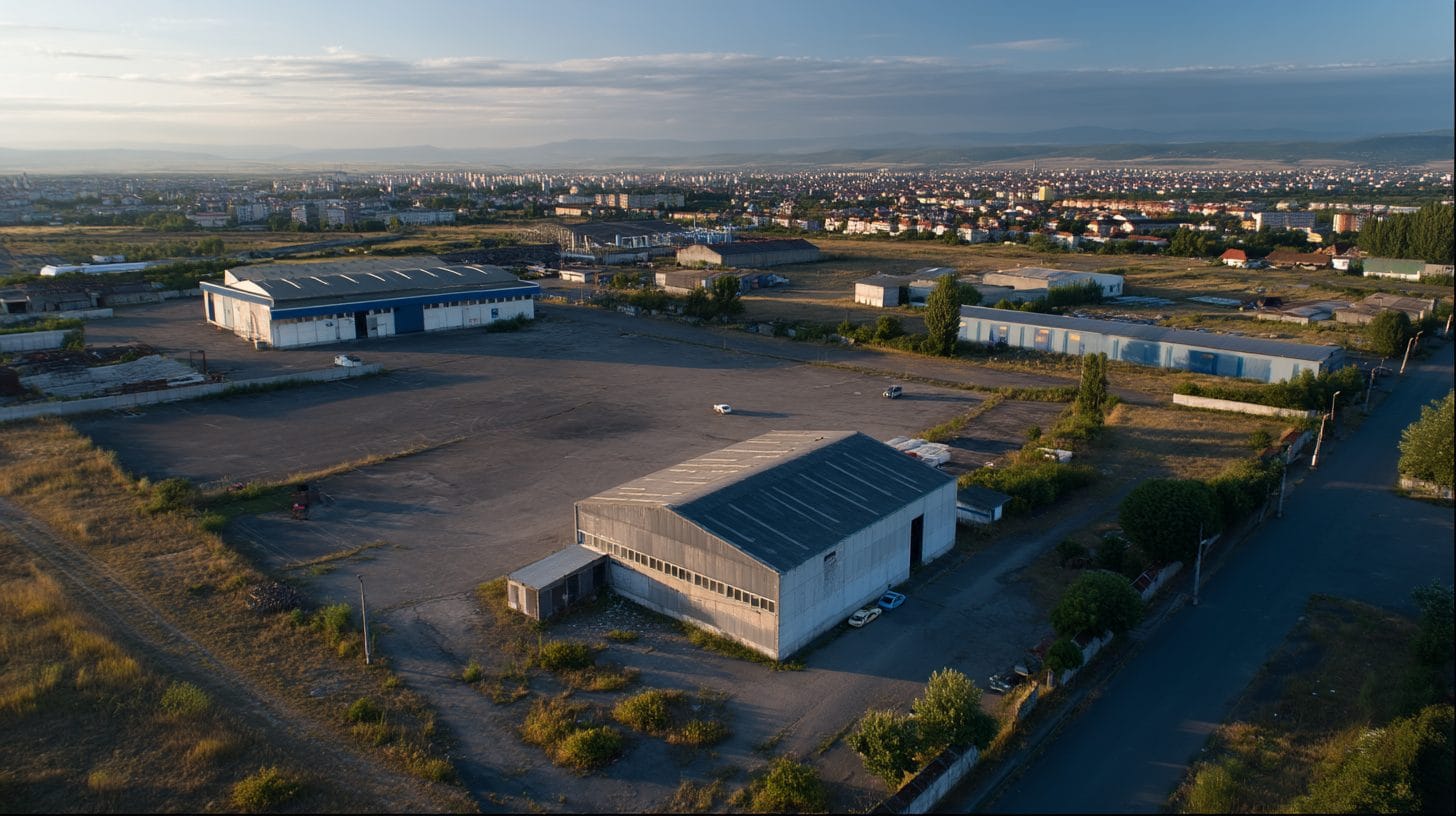
The types of international trade activities occurring in Romania significantly affect the real estate market. A notable trend is the expansion of logistics and warehousing facilities prompted by increasing e-commerce activities and global supply chains. The growth of commerce, driven by international trade, necessitates additional distribution centers, leading to increased demand for industrial real estate, such as warehouses and logistics hubs. Investors are keen to understand these dynamics because investing in warehousing and logistics properties may yield substantial returns, given the unpredictable nature of global supply chains.
In addition, international trade influences the real estate market through transport and infrastructure developments. Major infrastructure projects—often funded by international investments—improve connectivity and accessibility, further stimulating economic activity and attracting further investment into Romanian real estate. Enhancements in road, rail, and even airport facilities facilitate easier movement of goods and services, directly correlating with the growing demand for commercial and residential properties in those areas. Consequently, properties located near these infrastructures often see a rise in value and appeal.
Economic policies and trade agreements also shape the Romanian real estate landscape profoundly. Romania’s inclusion in the EU has brought forth cooperation frameworks that not only enhance trade but also create a stable investment environment. The enforcement of standardized regulations and practices promotes transparency and confidence among international investors. Furthermore, bilateral trade agreements facilitate direct foreign investments, allowing investors to navigate the real estate market more effortlessly. These agreements often protect investor rights and provide legal frameworks for disputes, making Romania a more appealing destination for bringing in foreign capital.
It is essential to note that fluctuations in international markets can impact local real estate dynamics significantly. Changes in global economic conditions, currency exchange rates, and international trade policies can all influence investors’ perceptions of risk and return in Romanian real estate. For example, a recession in a primary trade partner country can lead to a decline in foreign investments, which in turn can suppress the local real estate market.
In contrast, robust growth in other economies can enhance regional confidence and spark increased demand for Romanian properties. Understanding these global economic indicators is crucial for stakeholders to make informed investment decisions in the ever-evolving landscape of international trade and Romanian real estate.
The advent of digital transformation has also introduced new opportunities in the realm of international trade and real estate. Technology-driven platforms enable seamless property transactions and facilitate cross-border investments, breaking down geographical barriers. Inventory management, property listings, and transaction processes are now streamlined through digital solutions, attracting a more extensive array of international investors who may not have previously considered Romania a viable market.
This entire framework of international trade translates into implications for real estate professionals in Romania. For developers and brokers, understanding the global context of their market is essential. Knowledge of international trade trends can help local real estate professionals to strategically position properties, appealing to the growing market of foreign buyers and investors. Furthermore, recognizing emerging sectors within international trade can inform developers on where to build or renovate properties, thus ensuring relevance in a rapidly changing market.
Foreign investors looking to capitalize on international trade dynamics also benefit from this understanding. By identifying the right sectors, timing their entry strategically, and maintaining awareness of local regulations and market trends, these investors can maximize their returns.
In conclusion, the intersection of international trade and Romanian real estate is complex and continually evolving. The influx of foreign investment, the implications of infrastructure developments, changing economic policies, and the shift toward digital solutions all play significant roles in shaping the landscape. By understanding these dynamics, stakeholders in the Romanian real estate market can navigate this intricate environment effectively, making informed decisions that align with their investment strategies and objectives. Analyzing international trade trends will undoubtedly yield insights that enrich the Romanian real estate narrative and underscore its potential in the global market.
Interested in Land Investment in Romania?
We specialize in high-yield land and property opportunities for serious investors.
VIEW OUR CURRENT PORTFOLIOSecure your investment with Land For Investors.

Published: April 7, 2025