

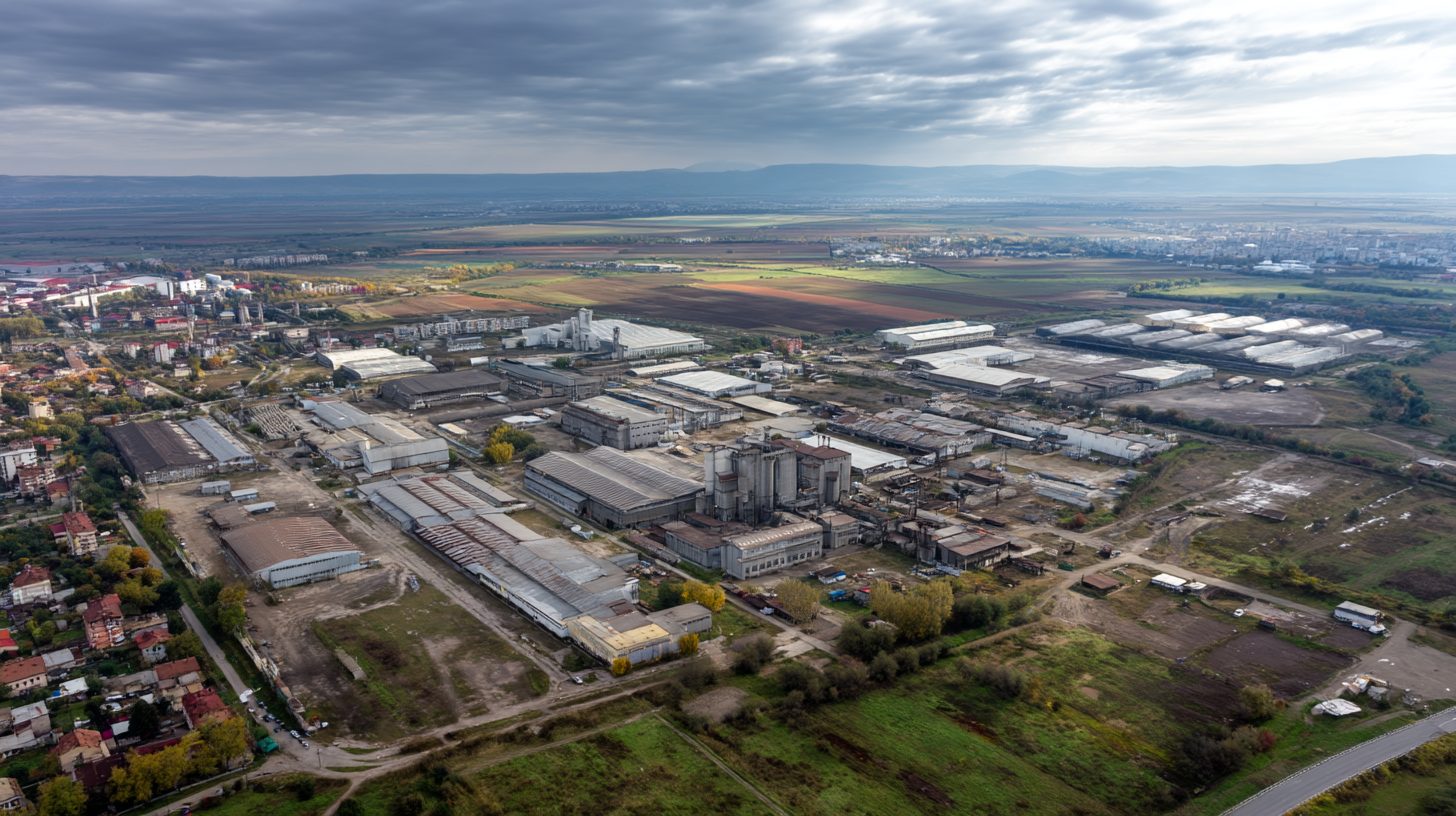
A Guide to Understanding the Risks and Rewards of Romanian Real Estate Investments
The allure of Romanian real estate has grown in recent years, drawing the attention of foreign investors seeking lucrative opportunities in the Eastern European market. With increasing economic stability, significant urban development, and an appealing historical landscape, Romania presents a promising landscape for real estate investment. However, the journey to investment success is fraught with potential pitfalls. This comprehensive guide explores the risks and rewards of investing in Romanian real estate for foreign investors, equipping you with the knowledge necessary to make informed decisions.
The Landscape of Romanian Real Estate
Romania boasts a diverse real estate market characterized by various property types, including residential, commercial, and industrial sectors. Major cities like Bucharest, Cluj-Napoca, and Timisoara have experienced substantial growth, with real estate prices reflecting the economic transformation the country has undergone since joining the European Union in 2007. Areas such as Transylvania have also gained prominence, attracting investors interested in tourism and historical attractions.
Understanding the Rewards of Investing in Romanian Real Estate
1. Economic Growth and Stability
Romania’s economy has demonstrated resilience, with GDP growth that outpaces many European nations. This economic stability fosters a favorable environment for real estate investments. A growing middle class and increasing purchasing power contribute to rising demand for both residential and commercial properties, leading to potentially lucrative rental yields and capital appreciation.
2. Affordable Property Costs
Compared to Western European markets, property prices in Romania are relatively low, offering foreign investors an attractive entry point. The opportunity to acquire properties at below-market prices in emerging urban areas can lead to enhanced profit margins, especially for refurbishments that can result in substantial returns on investment.
3. Expanding Rental Market
A surge in foreign residents and expatriates, coupled with an increase in local demand for rental properties, has bolstered the rental market. Short-term rentals, particularly in cities with vibrant tourism, such as Bucharest, provide an additional avenue for generating revenue. Platforms like Airbnb have further facilitated the short-term rental market, allowing investors to capitalize on high demand.
4. EU Membership Benefits
As a member of the European Union, Romania offers foreign investors various protections and advantages. Regulatory frameworks are aligned with EU standards, ensuring transparency and protection of property rights. This EU association fosters increased investor confidence and opens doors to funding opportunities from European financial institutions.
5. Growth in Infrastructure and Development
Romania has witnessed significant investments in infrastructure, including transportation networks and urban development projects. Improved accessibility through highways, airports, and public transportation systems enhances property values and attracts more investors. Urban regeneration projects and property developments undertaken by the government and private sector are aimed at rejuvenating urban areas, thus further driving demand for real estate.
Identifying the Risks of Investing in Romanian Real Estate
1. Legal and Regulatory Challenges
For foreign investors, navigating the legal landscape can prove complex. While Romania has made strides in improving transparency, issues surrounding property rights, such as complicated ownership structures and the absence of comprehensive regulations, can pose challenges. Understanding local laws and engaging local legal expertise is paramount in ensuring that transactions are safe and legitimate.
2. Market Volatility
Romanian real estate, while positioned for growth, is still susceptible to economic fluctuations. A downturn in the economy or adverse political events could impact property values and rental yields. Keeping abreast of local market trends and broader economic indicators helps mitigate unforeseen risks.
3. Misalignment in Expectations and Reality
Foreign investors may find themselves in a bewildering situation if expectations do not align with the reality of the Romanian real estate market. Market maturity, knowledge of local customs, and realistic assessments of investment potential are vital. The potential for rapid appreciation exists but is not guaranteed, and managing expectations is essential for long-term success.
4. Maintenance and Management Issues
Investing in real estate requires active management, which can be challenging for foreign investors. Dealing with maintenance, repairs, and tenant relations from afar may lead to operational inefficiencies. Building a network of reliable local property management services is critical for maintaining rental properties and ensuring steady cash flow.
5. Currency Risk
Currency fluctuations can significantly affect international investments. In the case of Romanian real estate, changes in the value of the Euro or the Leu can impact returns when converting income back to the investor’s home currency. Utilizing hedging strategies and closely monitoring currency trends can help foreign investors mitigate this risk.
Best Practices for Foreign Investors in Romanian Real Estate
1. Conduct Thorough Market Research
Before committing capital, conducting in-depth market research is crucial. Analyze local trends, potential growth areas, and property types that appeal to your investment strategy. Through research, you can identify neighborhoods with promising appreciation potential and favorable rental conditions.
2. Partner with Local Experts
Partnering with local real estate agents, property management companies, and legal advisors can help navigate Romania’s unique market nuances. Having local expertise ensures you are informed about regulatory changes, local market dynamics, and best practices.
3. Develop a Diversified Portfolio
Diversifying your investments across different property types and geographic areas mitigates risk. By having a mix of residential and commercial properties, as well as investments in various cities, you can protect your portfolio from localized downturns.
4. Emphasize Due Diligence
Thorough due diligence is non-negotiable. Invest time in understanding the local legal framework, performing property inspections, assessing market conditions, and reviewing historical price trends to ensure you are making solid investment decisions.
5. Plan for Ongoing Management
Have a sound management plan in place for your real estate investments. This includes formulating strategies for property maintenance, tenant selection, and leveraging local property management services to ensure efficient operations.
Conclusion
Navigating the Romanian real estate market offers unique opportunities and challenges for foreign investors. With economic growth, affordable property prices, and an expanding rental market, the rewards can be significant. However, it is crucial to remain vigilant about the inherent risks, including legal complexities, market volatility, and operational challenges. By conducting comprehensive research, engaging local expertise, and employing strategic management practices, foreign investors can position themselves advantageously within the evolving landscape of Romanian real estate investments. With the right approach and insights, investing in this market can yield fruitful results, making it a tantalizing option for those seeking growth and diversification in their investment portfolio.
Interested in Land Investment in Romania?
We specialize in high-yield land and property opportunities for serious investors.
VIEW OUR CURRENT PORTFOLIOSecure your investment with Land For Investors.

Published: March 27, 2025