

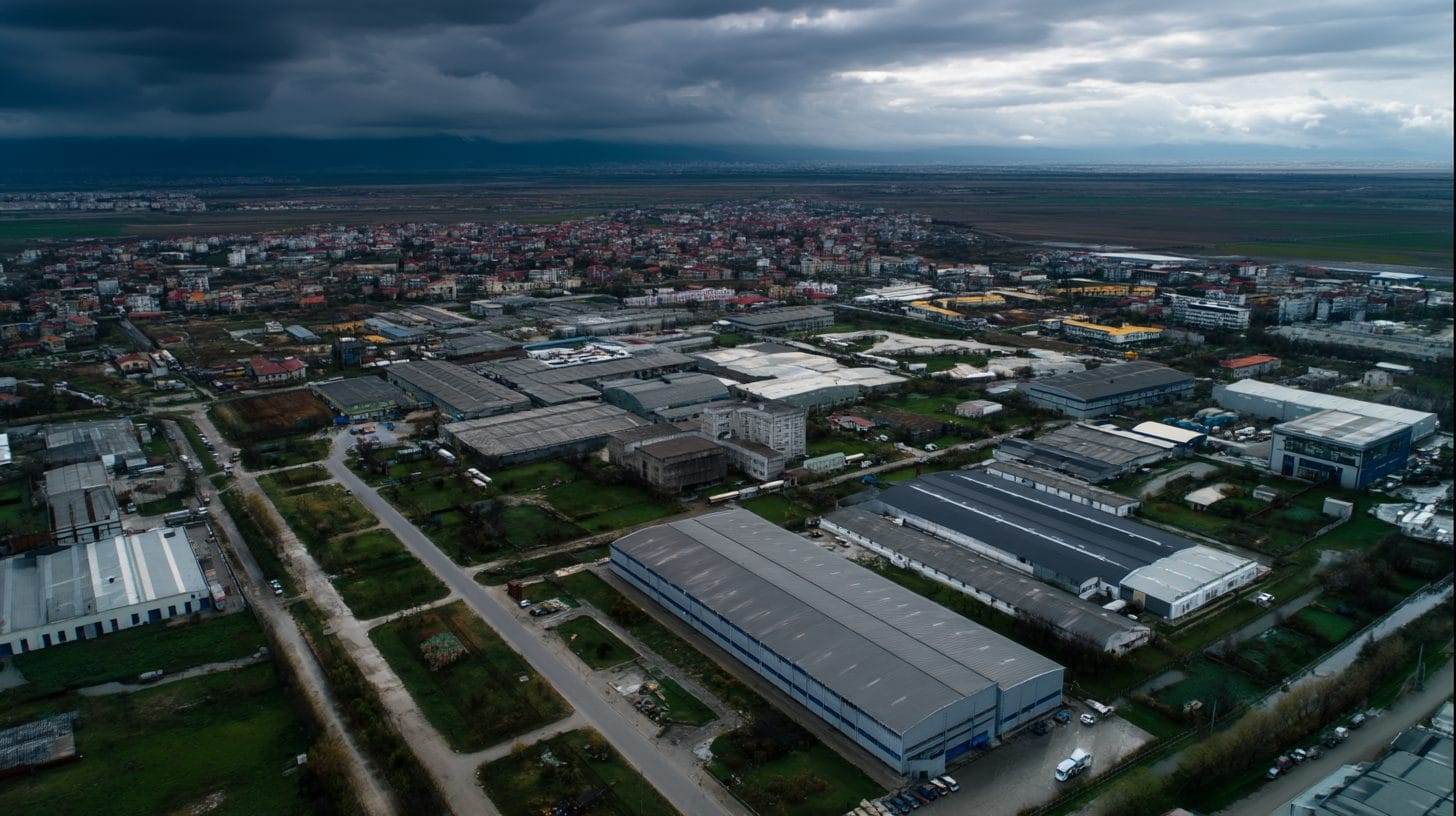
A Guide to Understanding the Impact of Global Trade Policies on Romanian Real Estate
In the rapidly evolving landscape of the global economy, trade policies have emerged as a critical influence, shaping markets and industries worldwide. For Romania, a nation with rich cultural history and a burgeoning real estate sector, the effects of global trade policies cannot be understated. As we navigate an increasingly interconnected world, understanding the implications of these policies on Romanian real estate is paramount for investors, policymakers, and property owners alike.
To begin with, global trade policies refer to the regulations and agreements that govern international trade. These encompass tariffs, trade agreements, import and export regulations, and various international treaties. The evolution of these policies heavily influences the economic dynamics of countries, including Romania. As the country becomes a more integral player within the European Union (EU) and a critical site for foreign investment, the implications of global trade policies on Romanian real estate warrant detailed exploration.
Trade Agreements and Foreign Investment
The impact of trade policies on real estate in Romania primarily manifests through foreign direct investment (FDI). As international trade agreements facilitate cross-border investment, Romania has become an attractive destination for foreign investors seeking to capitalize on its growing economy. The country’s strategic location at the crossroads of Europe, its competitive labor market, and favorable tax regulations contribute to its desirability for businesses and real estate developers alike.
Notably, Romania has benefited tremendously from its membership in the EU, which has opened the door to numerous trade agreements with global partners. As these agreements evolve, the influx of foreign capital is expected to continue bolstering the Romanian real estate market. Real estate developers and investors must remain cognizant of how changes in global trade policies, such as new tariffs or shifts in trade relations, can impact investor sentiment and market dynamics.
Tariffs and Their Consequences
In recent years, the global stage has seen the introduction of varying tariffs that affect trade relationships between countries. For Romanian real estate, tariffs can have both direct and indirect consequences. On one hand, increased tariffs on imported materials may lead to a rise in construction costs, thereby affecting the price of new developments. Conversely, if Romania benefits from favorable tariff agreements, it can enhance the viability of local manufacturers and construction firms seeking to import essential materials.
Moreover, the implementation of tariffs can change consumer behavior and demand. For instance, if global trade policies lead to a downturn in economic growth in core trading partners, it could subsequently diminish demand for real estate in Romania. On the other hand, if trade policies favor Romania’s exports and economic growth, it could result in increased demand for housing and commercial properties.
Market Trends and Real Estate Valuation
The valuation of Romanian real estate is intricately tied to the broader economic conditions shaped by global trade policies. A strong economy bolstered by favorable trade relationships often results in rising property values and increased demand for commercial and residential properties. Conversely, economic challenges stemming from adverse trade agreements can suppress market demand and result in stagnant or declining property values.
Additionally, the influx of multinational corporations establishing operations in Romania due to beneficial trade agreements needs to be noted. This trend significantly affects the commercial real estate sector as businesses seek office spaces, warehouses, and manufacturing sites. The consequent demand in real estate can drive up rents and property values, creating opportunities for investors and developers.
Logistics, Infrastructure, and Trade Facilitation
A critical component of global trade policies is the development of logistics and infrastructure capabilities. Romania’s geographic location positions it as a hub for trade within Eastern Europe, making infrastructure development vital for continuing to attract foreign direct investment. As the government aligns its infrastructure development plans with emerging trade policies and agreements, the effects on real estate can be substantial.
Investment in transport infrastructure, such as roads, railways, and ports, not only facilitates trade but can significantly enhance the attractiveness of nearby real estate developments. Regions that become more accessible due to improved infrastructure see corresponding increases in property demand. As such, stakeholders in the Romanian real estate market must monitor government plans and global trade developments to anticipate trends and identify potential opportunities.
Regulatory Environment and Compliance
Global trade policies introduce new regulations that extend beyond tariffs and trade agreements. As Romania continues to develop as a market for international business, regulatory shifts can also lead to new compliance requirements impacting real estate transactions. Additionally, foreign investors may face restrictions depending on the trade policies and bilateral agreements in place, especially in sensitive industries or regions.
Understanding the evolving regulatory environment is essential for real estate professionals and investors seeking to navigate the changing landscape effectively. Establishing a robust knowledge of local laws and international agreements can mitigate risks and position stakeholders for success in negotiating real estate transactions.
Sustainability and Environmental Considerations
Growing awareness surrounding climate change and sustainability has influenced global trade policies in recent years. Romania, as part of the EU, is subject to stringent environmental directives that can impact real estate development. Trade policies that emphasize sustainability may incentivize green building practices and environmentally friendly developments.
As consumers increasingly demand green and sustainable properties, the evolution of trade policies can lead to shifts in investment priorities. Investors and developers focusing on sustainability can position themselves favorably within the Romanian real estate market by integrating environmentally responsible practices into their projects. Staying attuned to changing regulations and incentives can further enhance market appeal and profitability.
Conclusion
The effects of global trade policies on Romanian real estate are multifaceted, encompassing economic growth, foreign investment, market trends, regulatory influences, and sustainability factors. As a pivotal player in the European economy, Romania’s real estate market is intricately connected to the dynamics of international trade. Stakeholders in this sector need to remain agile and informed, attuned to shifts in trade policy and their implications.
In an era where global trade is increasingly prominent, investors and professionals within the Romanian real estate market must prioritize understanding the broader economic context. By doing so, they can strategically navigate the opportunities and challenges presented by the ever-changing landscape of global trade policies, maximizing their potential for success in Romania’s evolving real estate sector.
Interested in Land Investment in Romania?
We specialize in high-yield land and property opportunities for serious investors.
VIEW OUR CURRENT PORTFOLIOSecure your investment with Land For Investors.

Published: April 7, 2025