

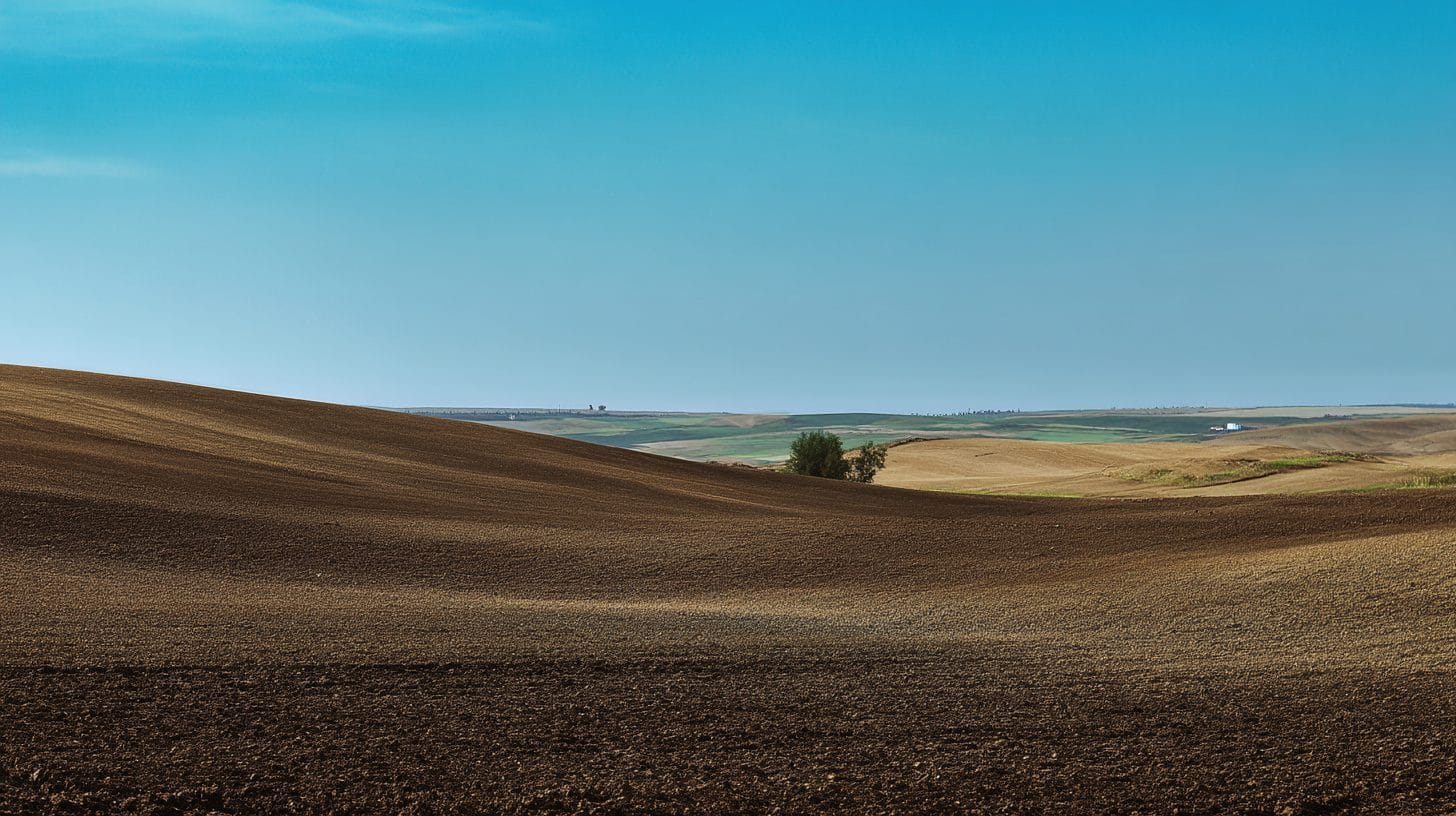
A Guide to Understanding the Impact of Global Events on Bucharest Real Estate
In the era of globalization, real estate markets have increasingly become intertwined with global events. Bucharest, the vibrant capital of Romania, is no exception. The diverse influences of economic, political, social, and environmental occurrences on the Bucharest real estate landscape have surged to prominence, particularly as the city continues to grow and transform into a significant European hub. This article provides a comprehensive examination of how global events impact Bucharest real estate, offering insights and expert analyses that can help investors, homeowners, and industry professionals navigate the complexities of the market.
Understanding Bucharest’s Real Estate Market
To fully appreciate the global events impact on Bucharest real estate, one must first understand the unique characteristics of this market. The real estate sector in Bucharest encompasses residential, commercial, and industrial properties, each segment exhibiting distinct trends and behaviors. In recent years, Bucharest has experienced a real estate boom, characterized by increasing property prices, growing foreign investment, and an influx of new developments. Factors such as urban regeneration, rapid technological advancements, and demographic shifts have contributed to this dynamic growth.
However, like any major city, Bucharest is subject to the influence of external global events. Economic downturns, geopolitical tensions, public health emergencies, and environmental crises can all serve to disrupt local real estate markets. Understanding these connections is crucial for comprehending the ebb and flow of real estate values within Bucharest.
The Role of Economic Events
Economic events are among the most significant catalysts that can impact Bucharest real estate. Global financial markets are interconnected, and shifts in economic stability—be it a recession, stock market crash, or inflation—can have immediate effects on local real estate prices. Investors often view real estate as a safe harbor during economic uncertainty; therefore, Bucharest’s real estate can experience fluctuations in demand depending on the broader economic climate.
For instance, the COVID-19 pandemic presented unprecedented challenges for the real estate market worldwide, including Bucharest. As businesses closed and people lost jobs, the demand for residential properties briefly declined. Many individuals sought to move to less populated areas, affecting urban real estate. However, as the economy rebounded, and people began returning to work, demand surged once more. Understanding the interconnectedness of global economic trends will empower potential investors to make informed decisions in the Bucharest market.
Geopolitical Influences and Bucharest Real Estate
Geopolitical events can create both uncertainty and opportunity within real estate markets. Bucharest, being situated at the crossroads of Western and Eastern Europe, has historically been affected by geopolitical shifts. Events such as conflicts in nearby regions, changes in trade agreements, or shifts in international policy can all have ramifications for local real estate.
For example, the ongoing conflict between Russia and Ukraine has raised concerns about regional stability. Such geopolitical tensions can deter foreign investment, particularly from Western investors who may view the region as risky. Conversely, fluctuations in regional dynamics can attract investments aimed at diversifying portfolios or hedging risks. Investors must pay close attention to these geopolitical developments, as they can significantly influence the demand and pricing of real estate in Bucharest.
Climate Change and Bucharest Real Estate
Environmental concerns, particularly those related to climate change, are increasingly coming to the forefront of real estate discussions globally. Bucharest is not immune to these challenges. As extreme weather events become more common, the vulnerability of properties, especially those located in high-risk areas, must be assessed.
Recent data has pointed to the rising importance of sustainability in real estate, with buyers and investors increasingly prioritizing energy-efficient buildings, climate-resistant construction methods, and sustainable urban planning. In Bucharest, developers are responding to this demand by integrating green technologies into new projects and retrofitting existing buildings to curb their environmental impact.
The global emphasis on sustainability also affects financing options, as lenders and investors are becoming more selective, with many favoring projects that adhere to sustainable practices. Therefore, understanding the global context of environmental sustainability can provide a competitive edge for real estate professionals in Bucharest.
Social Movements and Their Impact
Social events and movements have profound implications for the real estate landscape. As societal values evolve, so too do the expectations surrounding living spaces. Trends such as the rise of urbanization, changing demographics, and shifting preferences for work-life balance can influence real estate demand in Bucharest.
For instance, the trend of young professionals gravitating toward urban living, combined with a growing trend of remote work, has led to increased demand for serviced apartments, co-living spaces, and smaller, affordable housing options in Bucharest. Moreover, awareness regarding affordable housing has led to growing advocacy for policies that create equitable housing solutions, impacting the local real estate market structure.
The Crisis Response and Resilience of the Market
While global events can disrupt the stability of Bucharest’s real estate market, it is also essential to consider the resilience and adaptability of the industry. The rapid response of real estate stakeholders during crises, including the COVID-19 pandemic, has demonstrated how agile the market can be. Developers pivoting to accommodate remote work trends, property managers adopting technology to enhance tenant oversight, and investors redirecting resources to prioritize sustainable projects are all examples of this industry resilience.
Ultimately, understanding how global events impact Bucharest real estate requires a multi-faceted approach. It encompasses economic dynamics, geopolitical considerations, environmental factors, societal shifts, and the responsiveness of the market.
The Importance of Analysis and Strategic Planning
For investors and stakeholders in Bucharest’s real estate sector, continual analysis of global events and their potential impacts is critical. Approaching the market with a robust political, economic, social, and environmental awareness enables better risk assessment and decision-making.
Utilizing cutting-edge data analytics tools and market forecasting can serve as invaluable resources, allowing investors to remain informed about anticipated trends and fluctuations. Moreover, engaging with local experts, such as real estate agents, analysts, and industry associations, can provide insider knowledge that complements broader global insights.
Concluding Thoughts
Bucharest’s real estate market thrives within a complex web of global connections. The impacts of global events on real estate, while presenting challenges, also afford opportunities for those poised to adapt. A comprehensive understanding of these dynamics, coupled with strategic planning, establishes a strong foundation for navigating the Bucharest real estate sector today and into the future.
In conclusion, the global events impact on Bucharest real estate cannot be understated. It is a phenomenon that requires continual observation and adaptability, making it imperative for investors, homeowners, and real estate professionals to remain vigilant and informed. By doing so, they can position themselves adeptly within this vibrant and evolving market.
Interested in Land Investment in Romania?
We specialize in high-yield land and property opportunities for serious investors.
VIEW OUR CURRENT PORTFOLIOSecure your investment with Land For Investors.

Published: February 19, 2025