

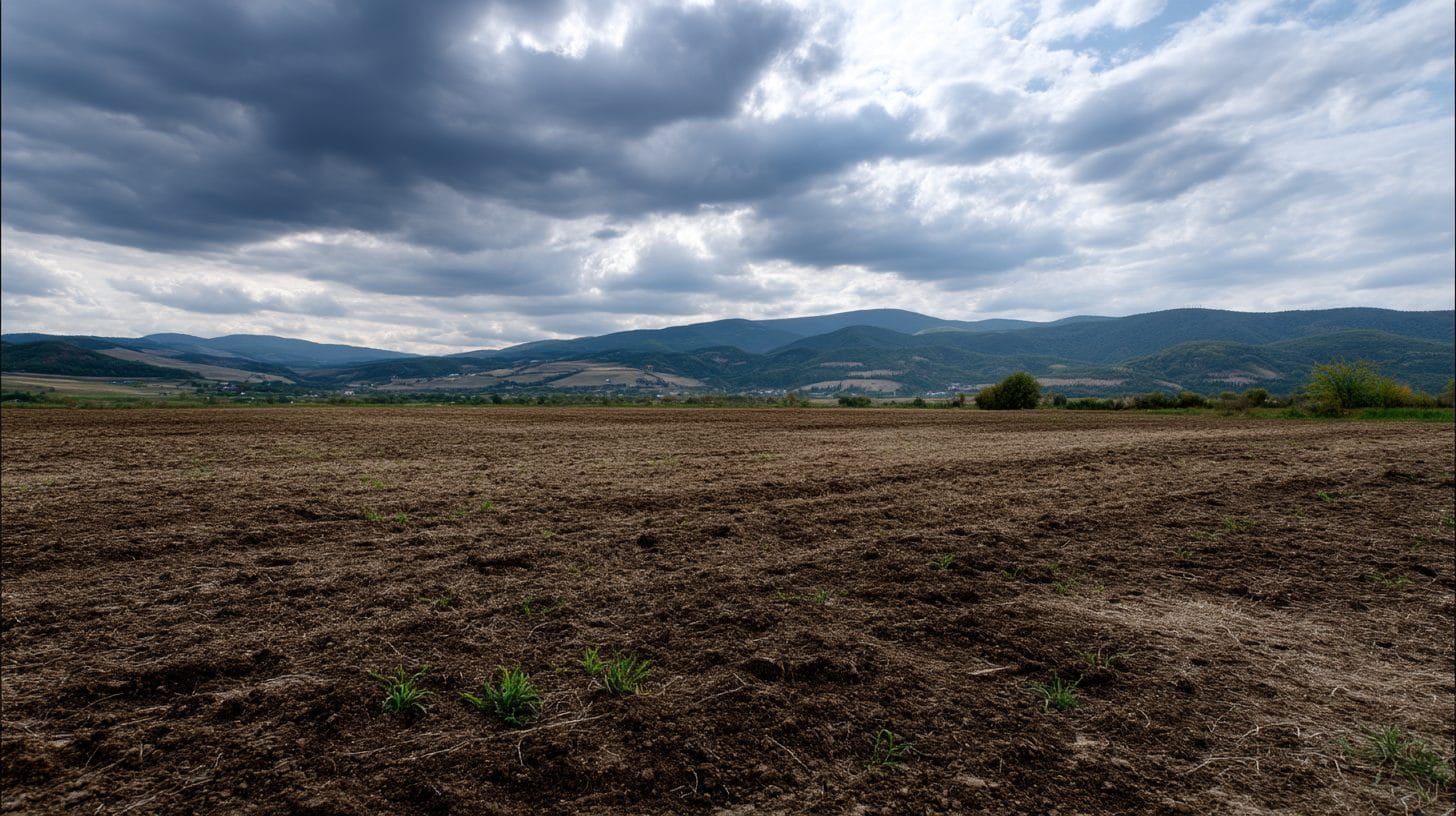
A Guide to Understanding Romanian Real Estate Market Sentiment
The Romanian real estate market has witnessed significant developments over the past few years, reflecting both the nation’s economic growth and the evolving preferences of its inhabitants. Understanding the market sentiment surrounding Romanian real estate is crucial for investors, developers, buyers, and other stakeholders. This comprehensive guide delves into the factors that influence market sentiment in the Romanian real estate sector, providing insights and analysis that can empower informed decision-making.
Market sentiment refers to the overall attitude of investors and market participants towards a particular asset or a market as a whole. It is shaped by various factors, including economic indicators, political stability, social trends, and consumer behavior. In the context of Romanian real estate, market sentiment can determine property values, forecast demand, and ultimately guide investment strategies.
To comprehend the market sentiment surrounding Romanian real estate, we must examine several key aspects.
Economic Indicators
One of the primary factors that influence market sentiment in the Romanian real estate sector is the country’s economic health. Economic indicators such as GDP growth, employment rates, inflation rates, and wage levels play a vital role. Romania has experienced steady economic growth over recent years, which has fostered confidence among investors and homebuyers. As the economy continues to expand, the demand for residential and commercial properties increases, leading to heightened market sentiment in favor of real estate investments.
Furthermore, the stability of the Romanian currency (the leu) and the favorable interest rates on mortgages have contributed to optimistic market sentiment. Low borrowing costs enable more individuals to enter the housing market, thereby driving property prices upward. Conversely, any signs of economic instability can quickly dampen market sentiment, emphasizing the importance of tracking economic performance indicators regularly.
Political Stability
Political stability is another crucial aspect of market sentiment in the Romanian real estate landscape. Investors tend to favor countries with stable governments and transparent legal systems. In Romania, the ongoing efforts to combat corruption, enhance regulatory frameworks, and streamline property transactions have fostered a more favorable investment environment. Each governmental initiative that bolsters investor confidence positively impacts market sentiment.
However, political uncertainty, such as potential changes in regulations or shifts in government policies, can lead to fluctuations in market sentiment. Stakeholders keen on entering the Romanian real estate market must stay abreast of the political climate to gauge its impact on their investments.
Consumer Behavior and Demographics
Demographics significantly influence the sentiment in the Romanian real estate market. Romania has a rapidly urbanizing population, and cities such as Bucharest, Cluj-Napoca, and Timișoara are experiencing an influx of residents seeking housing. The preferences of this new demographic—comprised of millennials and young professionals—are also evolving. This shift has led to increased demand for modern residential units, commercial spaces, and mixed-use developments.
Understanding consumer behavior helps inform market sentiment. For instance, if housing trends indicate that young families value sustainable living and eco-friendly provisions, developers may tailor their projects to meet these specifications, positively impacting market sentiment. Keeping track of changing preferences and broader demographic shifts enables stakeholders to anticipate market demands.
Technological Advancements
The incorporation of technology in the Romanian real estate market plays a pivotal role in shaping market sentiment. The rise of digital platforms for property listings, virtual tours, and online transactions has transformed the way buyers and sellers interact. Greater access to information and resources empowers consumers, reduces transaction times, and enhances transparency across the market.
The utilization of technology in real estate development also extends to construction techniques and materials, leading to more efficient and sustainable building practices. When market participants recognize that they can access properties quickly and securely through innovative platforms, market sentiment tends to shift positively.
Global Influences
The Romanian real estate market is not isolated; it is influenced by global trends and phenomena. Investors from abroad frequently look to Romania for emerging opportunities, particularly given its strategic location within Europe and its competitive pricing compared to Western counterparts. Global economic trends, such as fluctuations in foreign investment, international interest rates, and geopolitical events, can all weigh heavily on market sentiment.
Brexit, for example, prompted many investors to reevaluate their portfolios, leading some to consider Romania as an alternative investment destination. Such shifts can enhance market sentiment and create new opportunities for growth.
Future Projections
Looking ahead, various forecasts predict continued growth in the Romanian real estate market, which could lead to even more positive market sentiment. Factors such as continuous economic development, government support for housing initiatives, and improvements in infrastructure are expected to drive demand upward.
While optimism abounds, it is essential to recognize that market sentiment can be cyclical. Investors should remain vigilant and adaptable to changes in market conditions, ensuring they base decisions on comprehensive data and analysis.
Conclusion
Understanding the market sentiment surrounding Romanian real estate is vital for anyone interested in leveraging opportunities within this rapidly evolving sector. By considering economic indicators, political stability, consumer demographics, technological impacts, and global influences, stakeholders can develop a nuanced understanding of the current landscape.
In this guide, we have explored the various dimensions that shape market sentiment in the Romanian real estate sector. As the market continues to evolve, adopting a proactive approach to monitoring these drivers will be essential for success. With the right insights and an awareness of shifting dynamics, investors, developers, and other participants can navigate the complexities of the Romanian real estate market effectively. With investment and resource allocation tailored to the sentiments prevailing in the market, stakeholders stand to gain substantially in this vibrant arena.
Interested in Land Investment in Romania?
We specialize in high-yield land and property opportunities for serious investors.
VIEW OUR CURRENT PORTFOLIOSecure your investment with Land For Investors.

Published: April 8, 2025