

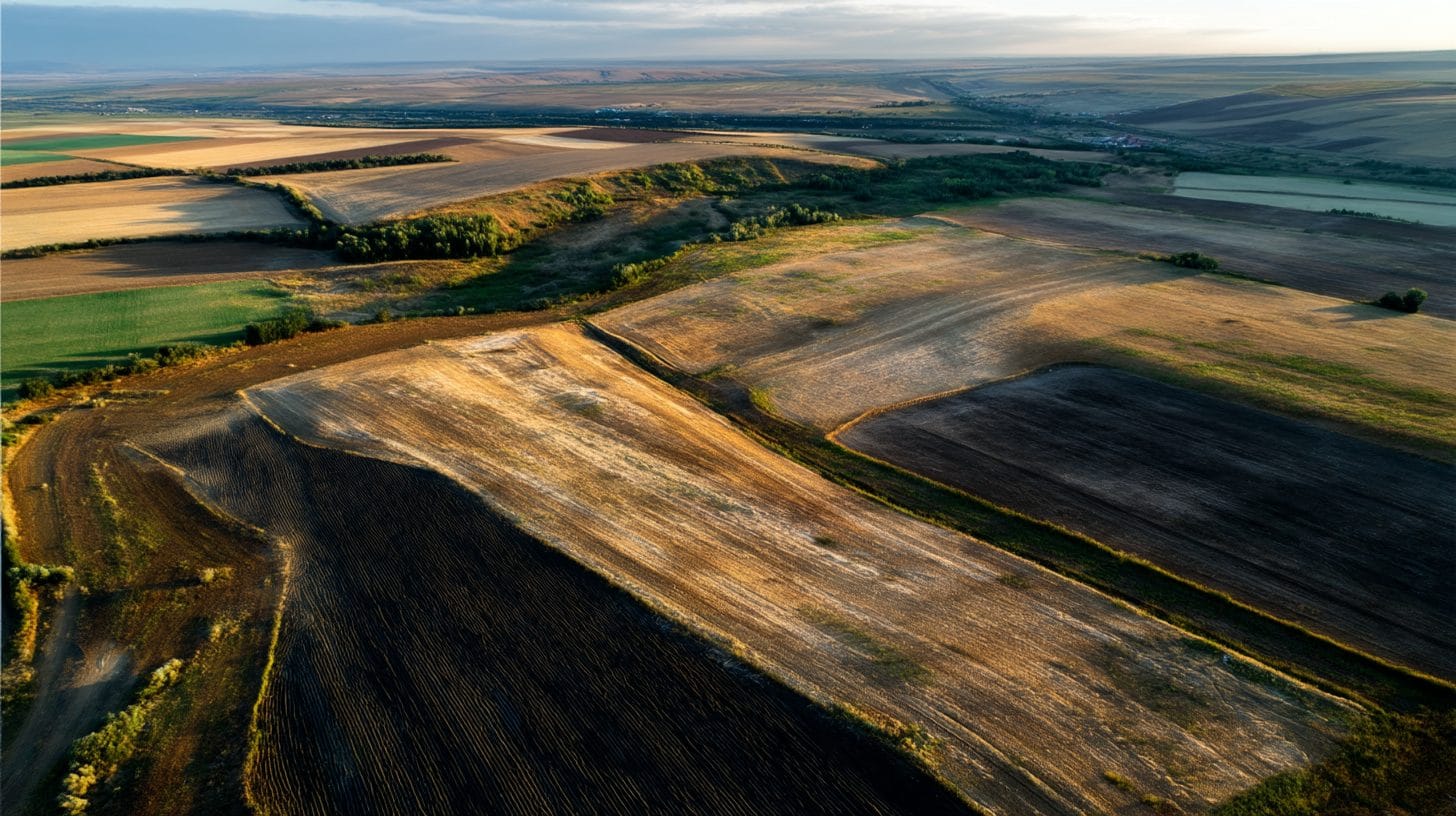
A Guide to Understanding Property Depreciation in Romanian Real Estate
The world of real estate investment is often complex, but one critical concept that potential investors, homeowners, and real estate professionals must understand is property depreciation. In the context of Romanian real estate, grasping property depreciation is essential for making informed decisions about investments, tax implications, and overall financial strategy. This guide presents a comprehensive look at property depreciation in Romanian real estate, exploring its definition, the factors that influence it, and its implications for property owners and investors alike.
Property Depreciation: An Overview
At its core, property depreciation refers to the decrease in value of a real estate asset over time, primarily due to wear and tear, age, and various external factors. In Romania, as in many global markets, property depreciation factors prominently into the financial evaluations of real estate investment. It is vital for investors to understand how depreciation affects property value and investment potential, particularly in a dynamic market like that of Romania.
The Romanian real estate market has been undergoing significant changes driven by macroeconomic factors, demographic shifts, and evolving consumer preferences. As the market evolves, so too does the understanding of property depreciation, which not only impacts individual property values but also overall market trends.
Factors Influencing Property Depreciation in Romanian Real Estate
Several key factors can influence property depreciation in Romanian real estate:
1. **Age and Condition of the Property:** Older properties or those in a state of disrepair typically experience higher rates of depreciation than newly constructed properties. Regular maintenance and renovations can significantly mitigate the effects of depreciation.
2. **Location:** The adage “location, location, location” holds true in Romania. Properties located in areas experiencing economic growth, improved infrastructure, and desirable amenities tend to retain their value better than those in declining neighborhoods.
3. **Market Trends:** Economic fluctuations, changes in population demographics, and shifts in employment opportunities can all affect property values and, by extension, depreciation rates. In cities like Bucharest, Cluj-Napoca, and Timișoara, robust urban development may enhance property value; conversely, economic downturns can lead to increased depreciation.
4. **Regulatory Changes:** Romanian laws regarding real estate, zoning, and taxation can have significant implications for property values. Changes in regulations can either bolster or diminish property values and, consequently, impact depreciation.
5. **Natural Deterioration:** Over time, all properties experience wear and tear. Factors such as weather, environmental conditions, and unaddressed maintenance issues contribute to the physical depreciation of a property.
Understanding the Depreciation Calculation
In Romania, property depreciation is commonly calculated using various methods that are influenced by the property type and the purpose of the depreciation. Two widely used methods are the straight-line method and the declining balance method.
1. **Straight-Line Method:** Under this method, the depreciation expense is consistent each year throughout the useful life of the property. In Romania, the standard useful life for residential properties is usually considered to be 50 years, while commercial properties can be evaluated over a different time frame.
2. **Declining Balance Method:** This method allows for a higher depreciation expense early in the property’s life. This recognition reflects the tendency of properties to lose value more quickly during the initial years due to rapid technological or functional obsolescence.
Tax Implications of Property Depreciation
Understanding property depreciation is essential for tax purposes as depreciation reduces the taxable income derived from the property. For real estate investors and property owners in Romania, periodic depreciation can lower the overall tax burden, allowing for reinvestment possibilities and enhanced cash flow. However, it is crucial to adhere to the specific regulations and guidelines established by the National Agency for Fiscal Administration (ANAF) in Romania to ensure compliance and avoid penalties.
Investors should maintain meticulous records of all properties, including purchase price, improvement costs, and applicable depreciation schedules. These records are valuable during tax time and can aid in dispute resolution if property valuation is challenged.
The Implications of Property Depreciation on Investment Decisions
For real estate investors looking at property depreciation in Romanian real estate, it is vital to incorporate depreciation analysis into investment strategies. Investors should assess not only the current market value of potential properties but also consider anticipated depreciation over time. This evaluation can impact decision-making regarding acquisition, renovation, or sale.
Investors should also conduct comparative market analyses to determine how factors such as location, property condition, and future developments can influence property depreciation. Identifying neighborhoods poised for economic growth may inform targeted property purchases aimed at optimizing long-term value appreciation.
Ultimately, a thorough understanding of property depreciation equips investors with the information necessary to make sound decisions in a competitive real estate market. Employing strategies to mitigate depreciation, such as regular maintenance and capital improvements, can enhance asset longevity and overall returns on investment.
Conclusion
In conclusion, understanding property depreciation in Romanian real estate is crucial for investors, homeowners, and real estate professionals alike. Factors such as age, location, market trends, regulatory changes, and natural deterioration all play roles in shaping property value over time. Analyzing these factors and the implications of property depreciation can guide informed decision-making, revealing strategies to optimize real estate investments.
As the Romanian real estate market continues to evolve, staying informed about the nuances of property depreciation will empower investors to navigate the complexities of the market effectively. By leveraging this knowledge, real estate stakeholders can maximize their property’s value and enhance their financial trajectory within this vibrant and dynamic sector.
Interested in Land Investment in Romania?
We specialize in high-yield land and property opportunities for serious investors.
VIEW OUR CURRENT PORTFOLIOSecure your investment with Land For Investors.

Published: April 6, 2025