

A Guide to Understanding Market Demand for Land in Romania
Romania, with its diverse geography and rich cultural heritage, has recently emerged as a focal point for real estate investment in Eastern Europe. As the country continues on its path of economic development, understanding the market demand for land in Romania becomes essential for prospective investors, developers, and policymakers. This comprehensive guide will explore the various factors influencing land demand, trends in the Romanian market, and critical considerations for stakeholders.
Economic Context and Land Demand
The demand for land in Romania is intricately linked to the country’s broader economic environment. Since joining the European Union in 2007, Romania has experienced significant economic growth, with GDP increasing consistently over the years. This economic stability translates into rising demand for various types of land, including agricultural, residential, and commercial properties.
One of the primary drivers for market demand land Romania is the ongoing urbanization trend. Cities like Bucharest, Cluj-Napoca, and Timișoara have seen substantial population growth, fueled by migration from rural areas and other regions. This surge in urban population heightens the need for residential land, thereby pushing up demand and prices in metropolitan areas.
Agricultural Land Demand
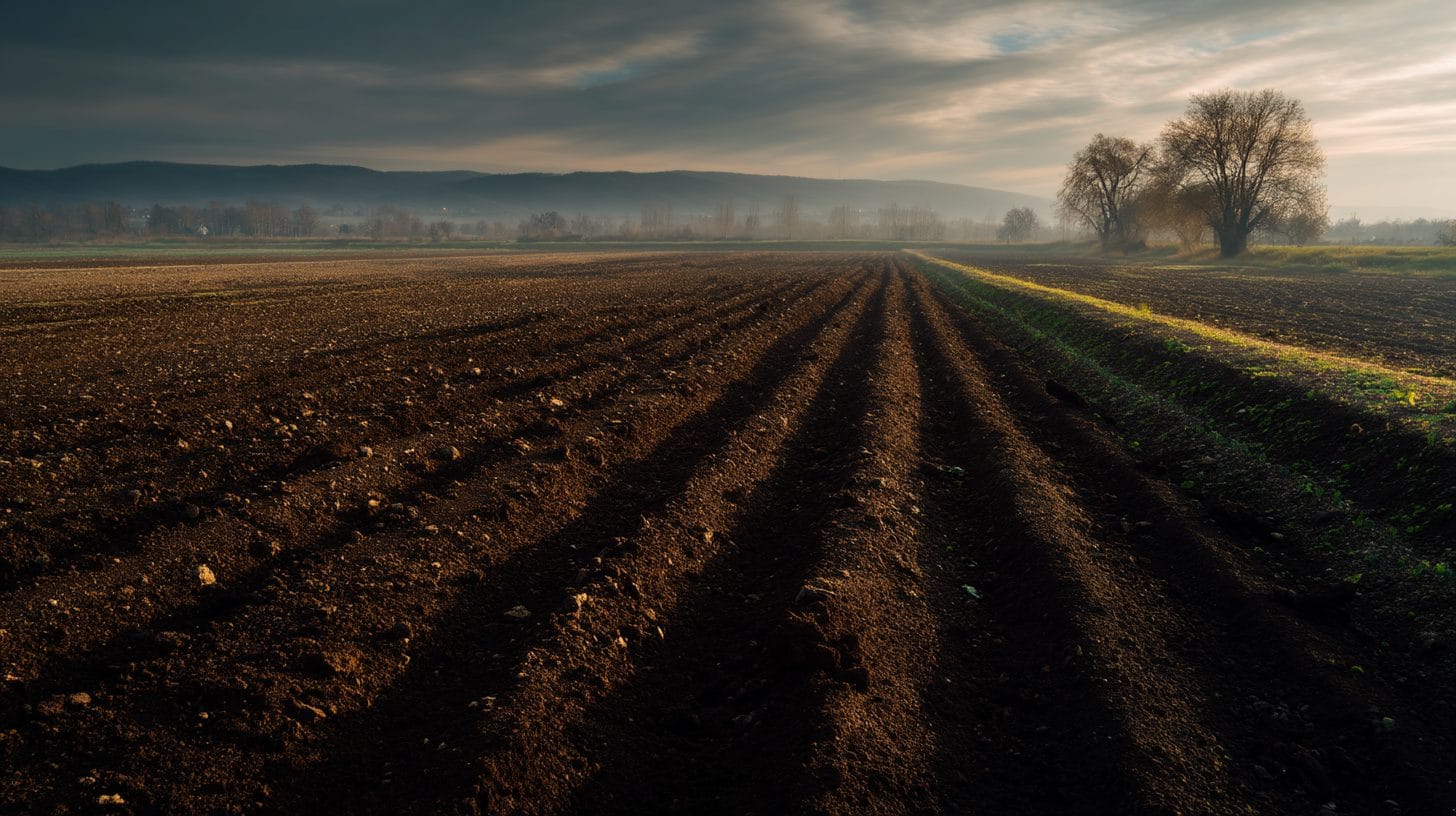
Romania is one of the largest agricultural producers in the European Union, benefiting from fertile soil and a favorable climate. As a result, agricultural land has consistently shown robust demand. Domestic and foreign investors have been keen to purchase agricultural land, attracted by Romania’s competitive pricing and potential for high returns in agricultural production.
The demand for agricultural land in Romania is also influenced by the European Common Agricultural Policy (CAP), which provides financial support and subsidies to farmers. This system encourages investment in agricultural land and promotes its usage for sustainable farming practices. Consequently, market demand land Romania often reflects the agricultural sector’s health and its capacity to harness modern technologies for increased productivity.
Residential Land Demand
With urbanization and growing populations in Romanian cities, the demand for residential land has surged. As young families and professionals seek housing, developers are increasingly looking for land to build residential projects. The influx of foreign investments paired with local economic growth has led to a dual increase in residential land demand and property values.
Moreover, government initiatives aimed at providing affordable housing have further stimulated the residential land market. Policy changes and incentives for homebuyers, such as reduced VAT for newly constructed homes and grants for first-time buyers, have made residential properties more accessible. These measures also drive up land prices, as developers seek to capitalize on the rising demand for homes in urban settings.
Commercial Land Demand
Romania’s strategic location in Central and Eastern Europe makes it an attractive destination for foreign direct investment (FDI). This attractiveness has led to heightened demand for commercial land as businesses look to establish a presence in the region. Key sectors driving this demand include information technology, logistics, manufacturing, and retail.
The growth of e-commerce has also spurred demand for logistics and warehousing land, essential for fulfilling online orders efficiently. In cities with established transportation networks, such as Bucharest and Cluj-Napoca, demand for commercial land continues to rise as companies seek to optimize their supply chains.
Market Trends and Influences
Several key trends are shaping the market demand for land in Romania.
1. Infrastructure Development: The Romanian government has committed to expanding its infrastructure, including roads, railways, and airports. Improved connectivity enhances the attractiveness of land locations, subsequently driving up demand and real estate values.
2. Sustainability and Green Spaces: As environmental considerations become increasingly prominent, there is a growing demand for land that accommodates green spaces and environmentally-friendly developments. Investors and developers are increasingly focusing on sustainable construction methods, which has influenced land demand patterns.
3. Technological Advancements: The integration of technology in real estate, such as smart buildings and digital marketing for property sales, has fundamentally changed the landscape. The significance of technology in driving land demand cannot be overlooked, as it influences consumer preferences and developer strategies.
4. The Impact of Global Events: Events such as the COVID-19 pandemic have acutely impacted market dynamics, leading to changes in demand patterns. An increased focus on remote work has stimulated interest in suburban and rural land, as people look for more spacious living arrangements away from city centers.
Key Considerations for Stakeholders
Investors, developers, and policymakers must consider several critical factors when navigating the market demand for land in Romania.
1. Regulatory Framework: Understanding local laws and regulations governing land acquisition is crucial. Investors must comply with regulations that can differ among Romania’s counties and municipalities.
2. Market Research: Comprehensive market research is essential to grasp current demand trends and anticipate future movements. Stakeholders should analyze demographic data, economic indicators, and local developments to make informed decisions.
3. Long-term Planning: The land market can be subject to volatility. Investors should adopt a long-term perspective, considering factors like infrastructure projects and urban planning decisions that can affect land value over time.
4. Local Insights: Engaging with local real estate experts and community leaders can provide valuable insights into regional market conditions. Local knowledge can help investors uncover opportunities and mitigate potential risks.
In conclusion, understanding the market demand for land in Romania is critical for fostering investment and development in the region. The interplay between economic trends, urbanization, and agriculture shapes land demand, offering extensive opportunities for stakeholders. By staying informed and adaptable to changing market conditions, investors and developers can position themselves favorably in Romania’s evolving real estate landscape. As Romania continues to modernize and grow, so too will the chances for lucrative investments in land, making it an exciting area for strategic consideration.
Interested in Land Investment in Romania?
We specialize in high-yield land and property opportunities for serious investors.
VIEW OUR CURRENT PORTFOLIOSecure your investment with Land For Investors.

Published: April 15, 2025