

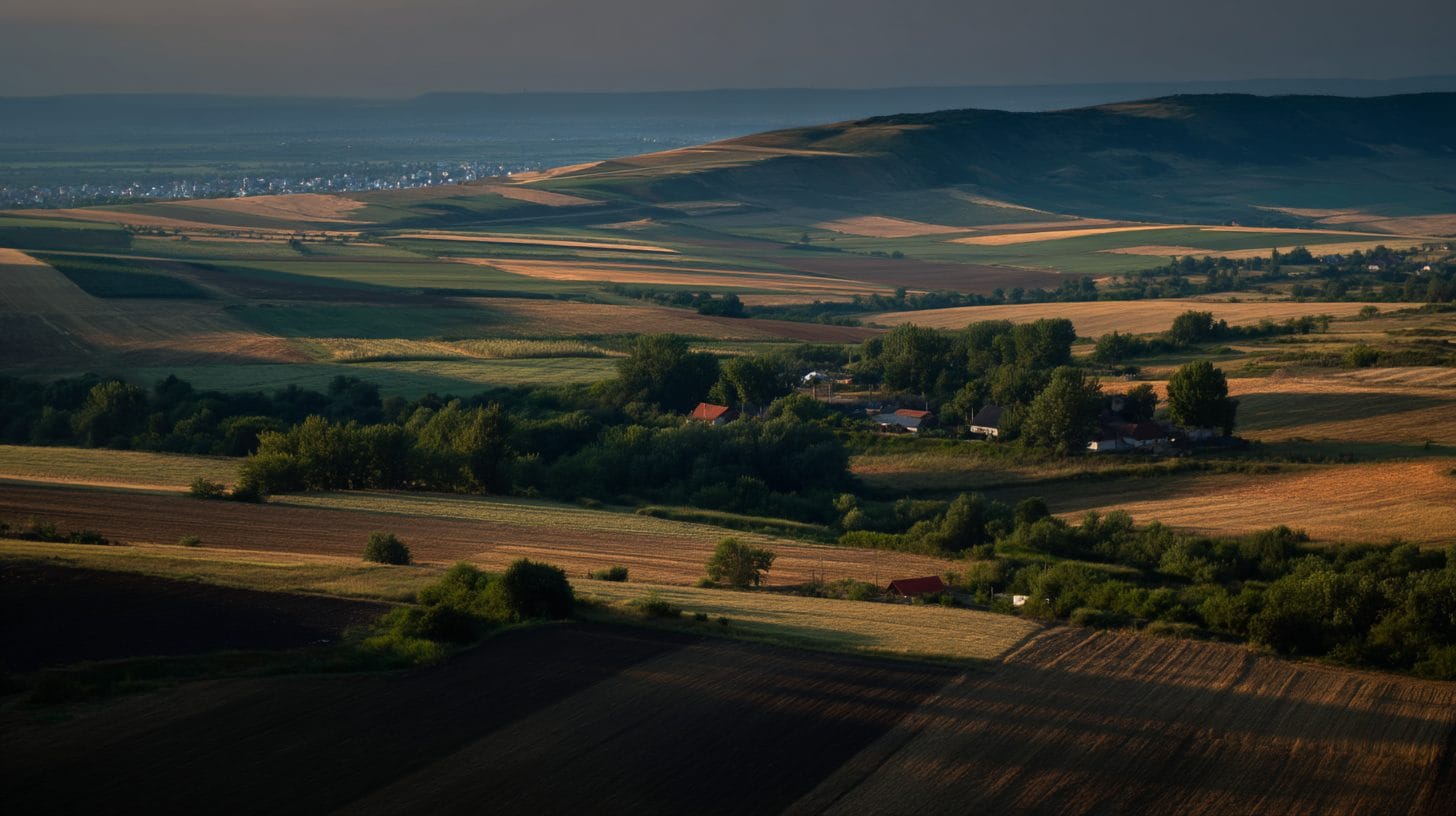
A Guide to Understanding Land Use Permits in the Bucharest Area
Understanding land use permits in Bucharest is a crucial aspect for anyone looking to develop property, invest in real estate, or simply engage with urban planning within the Romanian capital. These permits are not just bureaucratic hurdles but essential elements that dictate how land can be used, ensuring that developments align with city planning goals, environmental standards, and community needs. This comprehensive guide will help clarify what land use permits are, how the application process works, and why they matter for citizens, developers, and investors alike.
What Are Land Use Permits?
Land use permits are official documents issued by local authorities that authorize an individual or organization to use a specific piece of land for a particular purpose. In Bucharest, these permits can range from simple approvals for urban gardening to complex permissions for commercial or residential developments. They are critical for ensuring that land development follows zoning laws, environmental regulations, and public welfare considerations.
The Zoning System in Bucharest
Bucharest is divided into various zoning categories that dictate the permitted uses of land in different areas. Understanding the zoning designation of a parcel of land is the first step in navigating the land use permit process. The main zoning categories include:
– Residential Zones: Areas designated for housing developments, which may include single-family homes, multi-family units, and social housing projects.
– Commercial Zones: These areas are earmarked for businesses and services such as retail establishments, offices, and hospitality operations.
– Industrial Zones: Regions intended for manufacturing, storage, and industries that may produce noise, pollution, or other significant impacts.
– Mixed-Use Zones: These zones allow for a combination of residential, commercial, and sometimes industrial uses, promoting density and a diverse urban environment.
Each zone has specific regulations regarding building heights, densities, setbacks, and land use types. Therefore, comprehensively understanding the zoning requirements is essential when applying for a land use permit.
The Land Use Permit Application Process
The application process for land use permits in Bucharest involves several key steps, each underscored by legal requirements:
1. Research and Preparation: Before submitting an application, individuals or companies should conduct thorough research, ensuring they fully understand the zoning regulations applicable to their property. Resources such as the Bucharest Municipality’s Urban Planning Department can provide vital information regarding the zoning map, planning regulations, and community plans.
2. Preliminary Consultations: Interested parties can benefit from consultative meetings with local authorities or planning experts to clarify any uncertainties about the permitting process, zoning designations, or specific requirements for their intended project.
3. Submission of Application: The detailed application should include a range of documents, such as project descriptions, site plans, any relevant studies (environmental, traffic, etc.), proofs of ownership, and necessary fees. Generally, the application must be submitted to the local urban planning authority in Bucharest.
4. Review Period: After submission, the application undergoes a thorough review process. The local authority assesses it based on zoning laws, environmental regulations, and potential community impact. This phase can involve additional consultations with stakeholders or public hearings, where community feedback is solicited.
5. Approval or Denial: Following the review, the municipality issues a decision, which could be an approval, conditional approval, or a denial of the application. If denied, applicants have the right to appeal the decision or make adjustments to meet compliance requirements.
6. Issuance of Permit: Once approved, the land use permit is officially issued. However, it is important to note that obtaining a permit does not automatically grant the right to commence construction, as additional permits, such as building permits, may be required.
Importance of Land Use Permits
Land use permits in Bucharest serve multiple critical functions:
– Regulation of Development: They ensure that constructions adhere to established zoning laws that promote balanced urban growth, protect residential neighborhoods, and preserve green spaces.
– Environmental Stewardship: Permits often require ecological assessments, protecting Bucharest’s natural resources and ensuring that development does not lead to environmental degradation.
– Community Engagement: The permitting process encourages community participation, allowing residents to express their views and participate actively in urban development decisions. This alignment fosters a sense of ownership and community investment in local development.
– Legal Compliance: Securing a land use permit is vital to avoid legal repercussions, such as penalties or the forced dismantling of unauthorized constructions. It provides a safeguard for both developers and users, ensuring they operate within the legal framework.
Common Challenges Faced During the Application Process
Navigating the land use permit process in Bucharest can sometimes present challenges, including but not limited to:
– Bureaucratic Delays: The complexity of regulations can lead to delays. Ensuring all documents and requirements are correctly addressed from the beginning can mitigate this risk.
– Community Opposition: Public consultation processes are in place for a reason; community concerns can lead to objections, necessitating diplomatic engagement with residents to address grievances and gain support.
– Changes in Regulations: City regulations can evolve, with new zoning laws or policy changes impacting existing applications. Staying informed about local governance and planning updates is essential.
Best Practices for Successful Applications
To optimize the chances of obtaining a land use permit in Bucharest, applicants should consider the following best practices:
– Engage Early with Authorities: Initiate discussions with local officials early in the process to understand requirements and regulations better.
– Prepare Comprehensive Documentation: Provide all necessary documents promptly and ensure they are accurate and thorough.
– Conduct Environmental and Traffic Studies: Anticipating necessary assessments early in the application process can streamline approval.
– Actively Seek Community Support: Cultivate relationships with local residents and stakeholders, addressing any potential concerns they may have.
Conclusion
Understanding land use permits in Bucharest is foundational for anyone involved in property development or urban planning. These permits not only uphold the integrity of the urban environment but also ensure that developments are sustainable, legal, and community-oriented. By navigating the application process with diligence and awareness, applicants can successfully contribute to making Bucharest an even more vibrant and cohesive city. Whether you are a homeowner looking to expand, a developer planning a new project, or a resident interested in the future of your community, understanding the framework of land use permits is essential for effective participation in Bucharest’s urban landscape. As the city continues to evolve, being informed about land use permits in Bucharest will empower individuals to engage actively in shaping the future of their neighborhoods and their capital.
Interested in Land Investment in Romania?
We specialize in high-yield land and property opportunities for serious investors.
VIEW OUR CURRENT PORTFOLIOSecure your investment with Land For Investors.

Published: March 14, 2025