

A Guide to Understanding Land Use and Zoning Near Bucharest
Bucharest, the vibrant capital of Romania, is a city characterized by its rich history, picturesque architecture, and rapid development. As urban expansion continues to shape the city landscape, understanding land use and zoning becomes increasingly essential for residents, investors, and policymakers alike. This comprehensive guide aims to provide insights into land use zoning near Bucharest, empowering stakeholders with the knowledge required to navigate the complexities of urban planning and development in this dynamic region.
Land Use Zoning: An Overview
Land use zoning refers to the legislative framework that governs how land in specific areas can be utilized. This framework is designed to promote organized and sustainable development, protecting both public interest and private property rights. Zoning regulations dictate the types of buildings that can be constructed, the density of developments, and the specific uses allowed within designated areas. In Bucharest and its nearby regions, zoning laws play a crucial role in balancing the needs for residential, commercial, industrial, and agricultural purposes.
The Importance of Zoning in Urban Development
The principles of land use zoning are crucial in managing the growth of cities like Bucharest. As the city expands, zoning regulations help mitigate the challenges posed by urban sprawl, including traffic congestion, environmental degradation, and inadequate infrastructure. With clear zoning classifications, municipal authorities can enforce policies that promote sustainable development, ensure accessible public spaces, and preserve the cultural heritage of existing neighborhoods.
Zoning Classifications in the Bucharest Area
In the vicinity of Bucharest, zoning classifications can generally be divided into several categories:
1. Residential Zoning: This classification encompasses areas designated primarily for housing. Different subcategories specify the type of housing allowed (single-family, multi-family, or high-density dwellings), intended to cater to diverse residential needs within the community.
2. Commercial Zoning: Areas classified for commercial use are intended for businesses, including retail, service, and office spaces. The regulatory framework in these zones often stipulates requirements for signage, parking, and hours of operation to ensure compatibility with nearby residential areas.
3. Industrial Zoning: This classification accommodates heavy and light industrial activities. Zoning regulations for industrial zones often address noise, emissions, and traffic generated by industrial operations to minimize impacts on surrounding communities.
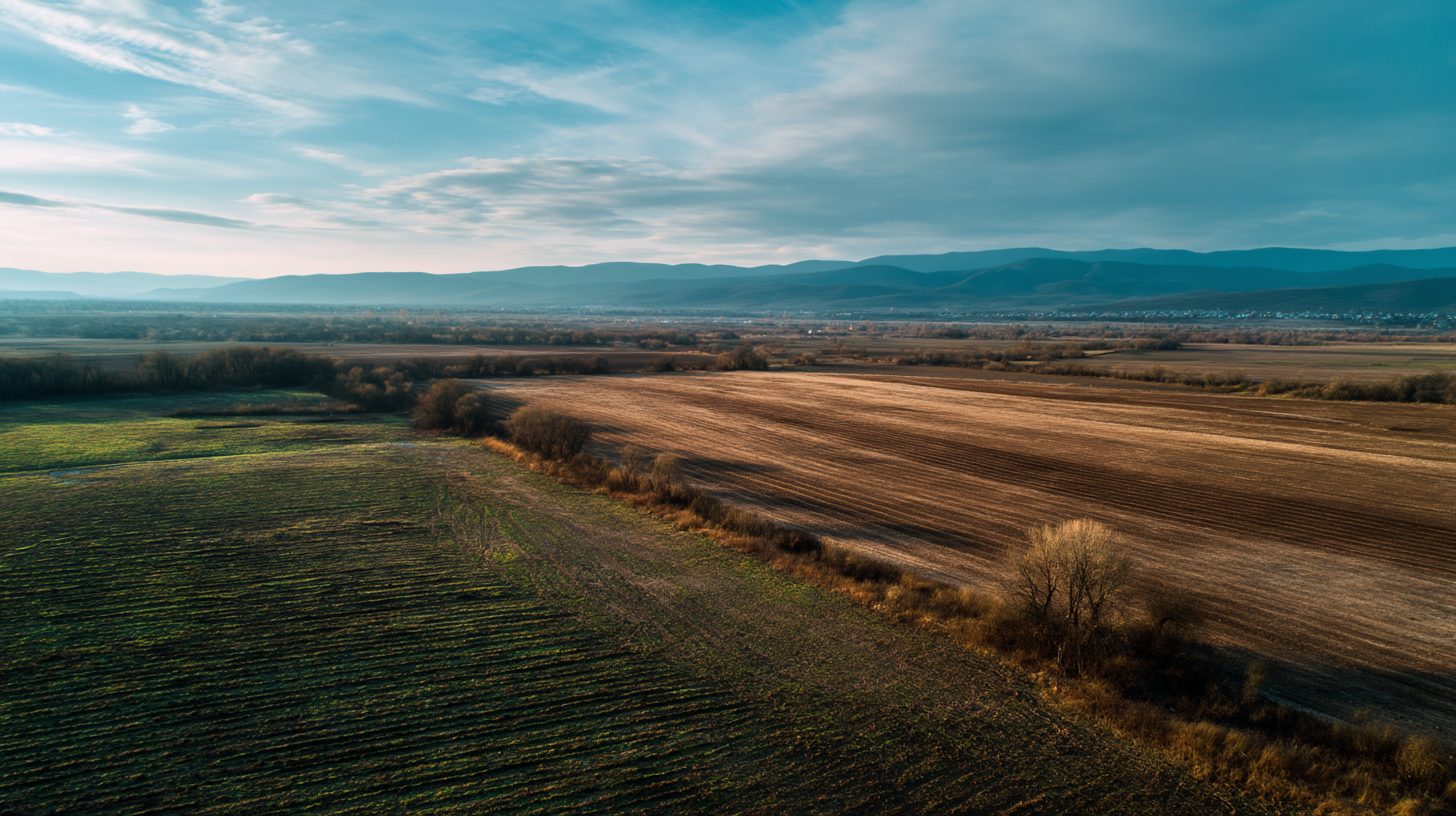
4. Agricultural Zoning: Certain areas near Bucharest are designated for agricultural use and are protected to preserve agricultural land and prevent urban encroachment. This classification promotes environmentally sustainable farming practices and contributes to local food security.
5. Mixed-Use Zoning: This innovative zoning category allows for a combination of residential, commercial, and potentially industrial uses within designated areas. Mixed-use developments foster vibrant communities, encourage walkability, and reduce the need for excessive commuting.
Current Trends in Land Use Zoning Near Bucharest
As Bucharest continues to grow, several trends are influencing land use zoning in the area:
1. Urban Regeneration: Many neighborhoods in Bucharest are undergoing urban regeneration, where outdated structures are revitalized or replaced with modern developments. Zoning policies are adapting to facilitate this transformation while preserving historic assets.
2. Sustainable Development: The focus on sustainability has prompted changes in zoning regulations, promoting green building practices and designs that enhance energy efficiency. Environmental considerations are integrated into zoning discussions to address climate change and promote resilience.
3. The Rise of Smart Cities: The integration of technology into urban planning is becoming increasingly prominent. Smart zoning initiatives encourage the use of data and technology to improve transportation, public spaces, and overall quality of life.
4. Transit-Oriented Development: With growing concerns about traffic congestion, there is a rising emphasis on transit-oriented development (TOD). Zoning regulations are being revised to encourage high-density developments near public transportation hubs, promoting the use of public transit and reducing reliance on cars.
Navigating Land Use Zoning
For residents and stakeholders interested in land use zoning near Bucharest, several steps can facilitate the process:
1. Research Local Zoning Ordinances: Each district near Bucharest may have its own zoning regulations. It is essential to investigate local districts to understand specific laws and restrictions that may affect property use and development.
2. Consulting with Experts: Engaging professionals such as urban planners, real estate experts, and legal advisors can provide valuable insights into zoning regulations, potential developments, and property rights.
3. Attending Public Meetings: Local governing bodies routinely hold public meetings to discuss zoning issues. Attending these sessions can help community members stay informed and actively participate in shaping zoning policies.
4. Understanding Variance Procedures: In some cases, individuals or developers may seek variances to allow deviations from established zoning regulations. Familiarizing oneself with the process for requesting variances can prove beneficial when pursuing development projects.
Conclusion
Land use zoning near Bucharest is a complex and ever-evolving topic that plays a vital role in shaping the city’s future. Understanding the intricacies of zoning regulations empowers stakeholders to make informed decisions about property use and development. As Bucharest continues to evolve, adaptability and proactive engagement in zoning discussions are essential to ensuring sustainable urban growth and preserving the character of the city’s diverse neighborhoods. Whether you are a resident, an investor, or a policymaker, being informed about land use zoning near Bucharest will enable you to navigate the urban landscape successfully and contribute meaningfully to the city’s development narrative.
Interested in Land Investment in Romania?
We specialize in high-yield land and property opportunities for serious investors.
VIEW OUR CURRENT PORTFOLIOSecure your investment with Land For Investors.

Published: April 17, 2025