

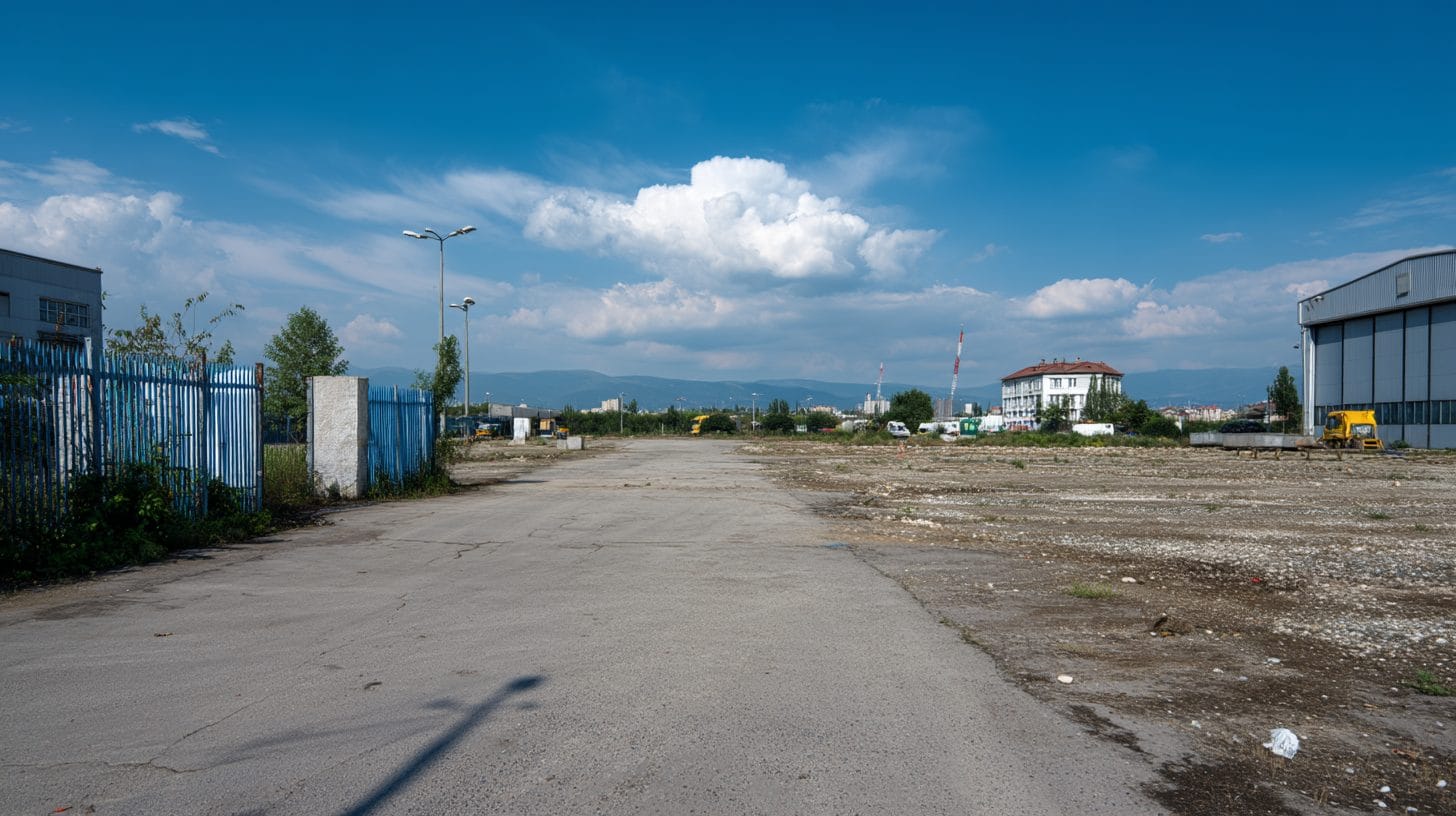
A Guide to Understanding Land Registration Processes on Bucharest’s Ring Road
The land registration process is a critical facet of real estate management, particularly in rapidly urbanizing regions like Bucharest. As the city expands, understanding the intricacies of land registration becomes paramount for property developers, investors, and homeowners. This guide will delve into the various stages, requirements, and nuances of the land registration process specifically along Bucharest’s Ring Road, an area witnessing significant expansion and development.
Understanding the Importance of Land Registration
Before exploring the specifics of the land registration process on Bucharest’s Ring Road, it is vital to understand why land registration is important. This legal formalization assures rightful ownership, establishes property boundaries, and provides access to essential services such as financing, permits, and utilities. In Romania, the land registration process is governed by the National Agency for Cadastre and Land Registration (ANCPI), which oversees the smooth transaction and documentation of property-related activities.
Navigating the Land Registration Process
1. Preliminary Documentation
Before starting the land registration process, it’s crucial to gather all necessary documents. For properties located along Bucharest’s Ring Road, required documents typically include:
– The original title deed or sales contract.
– Identification documents of the property owner(s).
– Cadastral plan and detailed land survey.
– Tax declarations that confirm that the property taxes have been paid.
2. Cadastral Survey
One of the critical steps in the land registration process is conducting a cadastral survey. The aim of the cadastral survey is to create a detailed map of the property, outlining the boundaries and size. This is particularly important in the rapidly developed areas surrounding Bucharest’s Ring Road, where land division may be complex due to urban sprawl. A licensed surveyor usually executes this process, ensuring that property boundaries are accurate and conform to national regulations.
3. Submission of Documents
Once the cadastral survey is complete, the next step is to submit the necessary documents to the local office of the ANCPI. Depending on the specific area along the Ring Road, submissions may vary. It is important to ensure that the documentation is comprehensive and conforms to local governance requirements.
4. Validation Process
Following the submission, the ANCPI initiates a validation process. During this phase, the authority checks the authenticity of the submitted documents, ensuring that everything is in order. This may include verifying the cadastral survey and the ownership claims associated with the property. Discrepancies or incomplete documents could lead to delays, underscoring the importance of meticulous preparation and submission.
5. Registration Fees
Property owners must pay specific registration fees associated with the land registration process. These fees can vary based on the property’s value and location along the Ring Road. It’s advisable to consult the ANCPI’s official fee structure or seek guidance from a local real estate professional to prepare for the financial aspects of this process adequately. Generally, registration fees encompass the cost of public notary services, cadastral fees, and any municipal charges applied.
6. Final Registration
Upon successful validation of documents and fee payment, the ANCPI issues a registration certificate for the property. This official document attests to the property’s legal ownership and can be utilized for any future real estate transactions. For investors and developers operating along Bucharest’s Ring Road, securing this document is crucial, as it enhances the property’s marketability and can facilitate financing opportunities.
Challenges and Considerations
The land registration process along Bucharest’s Ring Road may entail unique challenges, including land disputes, complicated ownership histories, and the need for additional documentation in the context of urban expansion. It is recommended that property buyers engage with legal experts or consultants proficient in Romanian real estate law to mitigate potential pitfalls.
Additionally, as the Ring Road continues to develop, new regulations and zoning laws may emerge. Staying informed about changes in urban planning policies can directly impact property values and the types of developments allowed in the area.
The Role of Technology in the Land Registration Process
In recent years, Romania’s National Agency for Cadastre and Land Registration has embraced technological advancements as part of the land registration process. The introduction of electronic platforms and digital documentation has expedited centralized record-keeping and made the registration process more transparent and accessible. These improvements are particularly relevant for properties along Bucharest’s Ring Road, where the rate of development necessitates swift transactions and adaptability.
Future Trends in Land Registration on Bucharest’s Ring Road
As the Ring Road evolves into a major economic hub, trends in urban planning, sustainable development, and transit infrastructure will heavily influence the land registration process. Developments such as new business parks, commercial centers, and enhanced public transport systems will dictate property values and real estate opportunities. Staying abreast of these future trends will allow stakeholders to make informed decisions regarding property investments and development projects along the Ring Road.
Conclusion
The land registration process on Bucharest’s Ring Road is an essential procedure involving various steps, requirements, and considerations. By understanding the intricacies of this process, property owners and investors can protect their investments and ensure legal compliance. As the Ring Road continues to expand and evolve, knowledge of the land registration process will remain a valuable asset to all those involved in Bucharest’s vibrant real estate landscape. By prioritizing thorough preparation, leveraging available technology, and remaining informed about legislative developments, stakeholders can navigate the complexities of land registration successfully.
Interested in Land Investment in Romania?
We specialize in high-yield land and property opportunities for serious investors.
VIEW OUR CURRENT PORTFOLIOSecure your investment with Land For Investors.

Published: March 23, 2025