

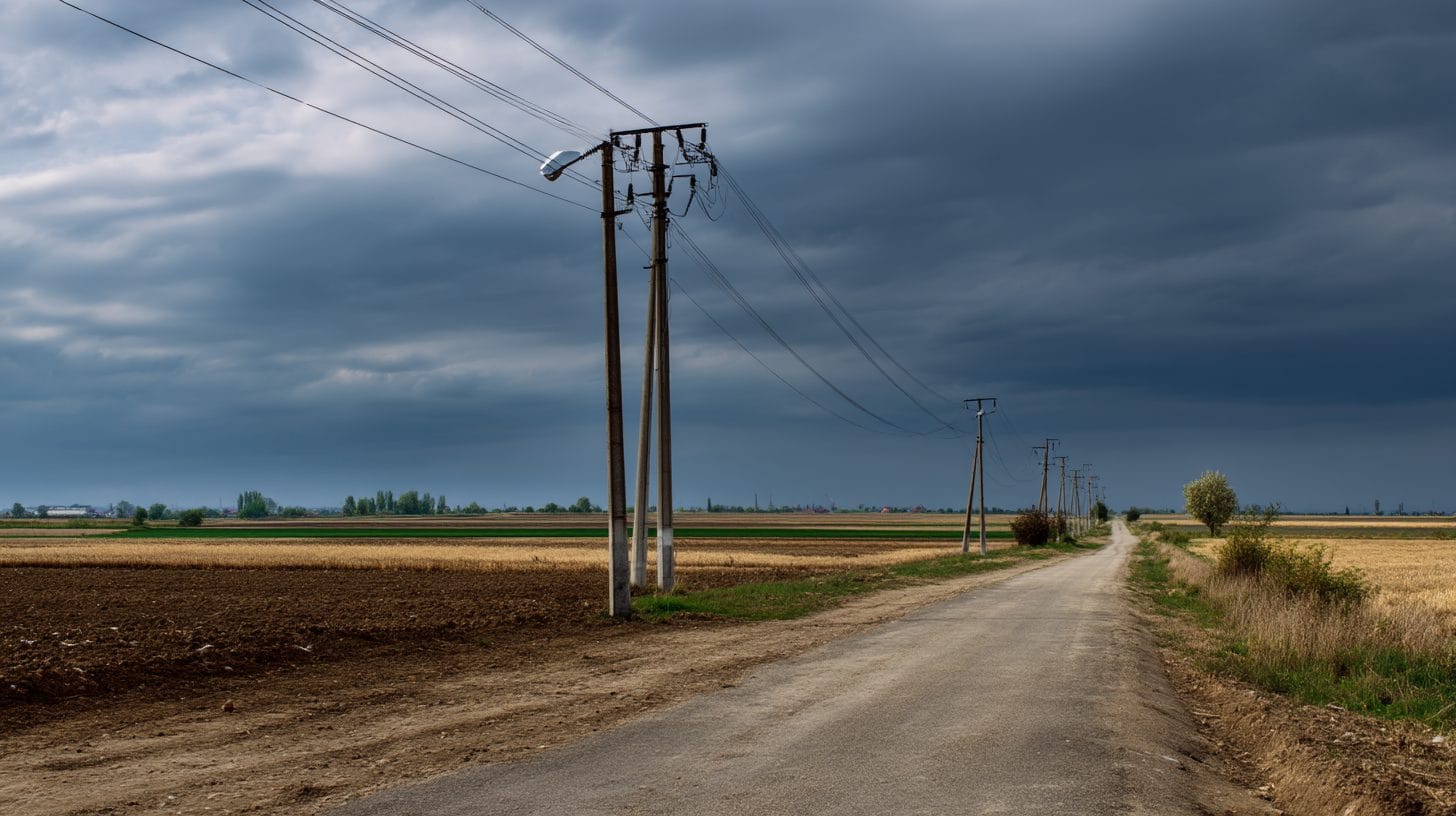
A Guide to Understanding Land Market Sentiment in Romania
The land market sentiment in Romania has garnered considerable interest from investors, real estate agents, and property enthusiasts alike. As Romania continues to solidify its standing as an attractive destination for investment, understanding the underlying factors that shape land market sentiment is crucial for both local and foreign stakeholders involved in real estate transactions. This comprehensive guide aims to shed light on the dynamics governing land market sentiment in Romania, highlighting trends, indicators, and strategies for navigating this evolving landscape.
Romania’s Economic Landscape
To begin with, it is essential to understand the broader economic backdrop against which the land market operates. Romania has experienced a significant economic transformation since its accession to the European Union in 2007. The country has witnessed steady GDP growth, an increase in foreign direct investment (FDI), and enhanced infrastructure development, all contributing to a more stable and appealing land market. Urbanization trends, rising disposable incomes, and expanding middle class also play pivotal roles in shaping land market sentiment in Romania.
Furthermore, Romania benefits from a diverse geography, offering a myriad of opportunities for agricultural, residential, and commercial land development. Major cities such as Bucharest, Cluj-Napoca, and Timișoara are witnessing rapid industrialization, which further fuels demand for land. Consequently, evaluating land market sentiment Romania requires understanding the economic indicators that dictate supply and demand dynamics, thus reflecting the general attitudes and expectations of market participants.
Key Indicators of Land Market Sentiment
Several key indicators help gauge land market sentiment in Romania. These include economic growth rates, employment figures, population trends, as well as infrastructure and development plans set by local and national governments.
1. Economic Growth: A healthy economy contributes directly to land market sentiment. Investors generally favor regions with robust economic performance, as this can indicate higher demand for both residential and commercial properties. Monitoring GDP growth rates, industrial productivity, and business confidence indices can provide insights into future land value appreciation.
2. Population Growth: The rising population, particularly in urban areas, significantly influences land demand. Higher urbanization rates reflect an increasing need for housing, commercial spaces, and amenities. Investors should analyze migration patterns, demographic shifts, and age distributions to gauge land market sentiment in specific regions.
3. Employment Trends: Employment rates impact disposable income and consumer spending patterns. High employment levels generally correlate with increased demand for housing as people seek stability. Recognizing employment data, wage growth, and sectoral shifts can assist in forecasting land market trends.
4. Infrastructure Initiatives: Infrastructure enhancements, including transportation networks, utilities, and public services, have a profound impact on land market sentiment in Romania. Government investment in infrastructure often leads to increased accessibility and, consequently, higher land values. Understanding ongoing and upcoming projects can aid in identifying lucrative opportunities in the land market.
Current Trends Influencing Land Market Sentiment in Romania
Recent trends impact land market sentiment significantly. One major trend is the increasing interest in sustainable and eco-friendly development. As global awareness of environmental issues rises, the demand for land suitable for eco-friendly projects is growing, driven by both developers and consumers who prioritize sustainability.
Urban regeneration projects also contribute to changing sentiments. Many Romanian cities are investing in rejuvenating neglected areas and upgrading public spaces, which can enhance the desirability of neighborhoods and lead to increased property values. This focus on urban revitalization promotes investor confidence and bolsters land market sentiment.
The rise of technology and remote work has introduced new dynamics into the real estate sector. The COVID-19 pandemic accelerated trends of remote working, enabling individuals to prioritize lifestyle and recreational land over traditional proximity to urban centers. Investors and developers have started recognizing opportunities in smaller towns and rural areas, reflecting changing preferences and a broader reconfiguration of land market sentiment in Romania.
Challenges Facing the Land Market in Romania
Despite the positive sentiment and growth potential, several challenges persist in the land market in Romania. Bureaucratic inefficiencies and complex regulations can create obstacles for potential investors. Navigating the legal framework regarding land ownership, permitting, and zoning is essential for successfully capitalizing on investment opportunities. Staying informed about legal changes and building relationships with local authorities can mitigate challenges posed by regulatory hurdles.
Additionally, external factors, such as geopolitical tensions and economic uncertainties, can potentially dampen investor sentiment. Monitoring global events and assessing their implications for local land markets is vital for making informed investment decisions.
Adapting Strategies for Land Market Investment in Romania
To effectively capitalize on land market sentiment in Romania, investors should adopt data-driven strategies. Conducting thorough market research, analyzing property valuations, and understanding local buyer preferences are fundamental steps for informed decision-making. Additionally, collaborating with local real estate professionals can provide valuable insights into regional market dynamics and sentiment.
Investors should focus on diversification to mitigate risks. By exploring various land types—residential, agricultural, commercial, and industrial—investors can balance potential returns and exposure to fluctuating demands.
Establishing a proactive approach is equally important. This may involve keeping a close watch on emerging trends in property technology, sustainability, and urban planning. Being informed about these trends enables investors to identify opportunities and adapt their strategies accordingly.
Conclusion
In summary, understanding land market sentiment in Romania requires an analysis of various socioeconomic factors, market indicators, and emerging trends. As Romania continues to develop and attract significant interest from investors, those who stay informed and adaptable will likely succeed in navigating the complexities of the land market. By recognizing the key drivers of sentiment and leveraging strategic investment approaches, participants in the land market can maximize their potential for success in Romania’s dynamic real estate landscape.
In conclusion, monitoring the land market sentiment in Romania is not just about observing statistics; it is about developing a nuanced understanding of the forces shaping this vibrant market. Investors are advised to remain vigilant and engaged, fostering a comprehensive grasp of land market sentiment to make informed and strategic decisions moving forward.
Interested in Land Investment in Romania?
We specialize in high-yield land and property opportunities for serious investors.
VIEW OUR CURRENT PORTFOLIOSecure your investment with Land For Investors.

Published: April 13, 2025