

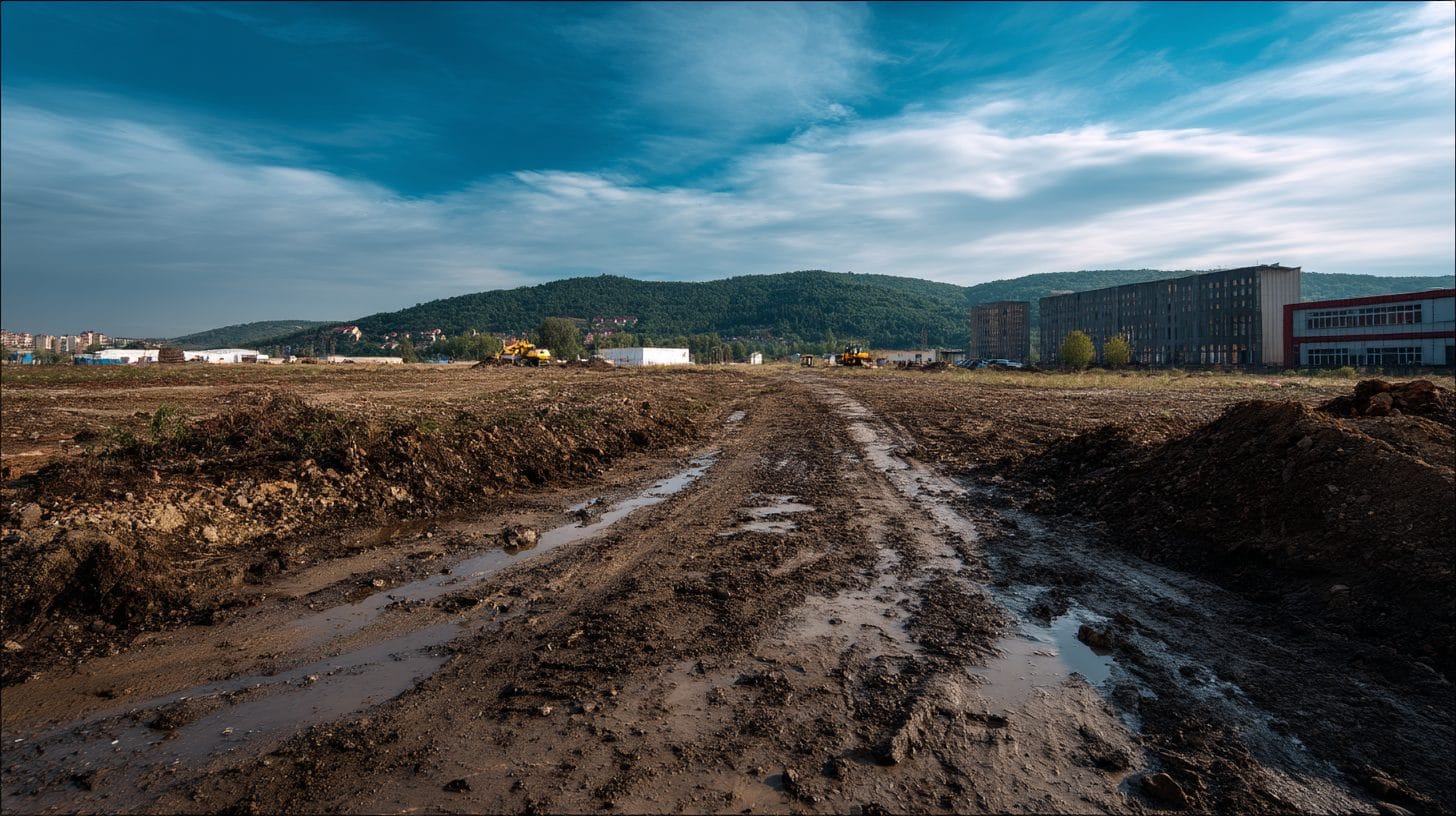
A Guide to Understanding Land Lease Agreements in Romania
Land lease agreements are a significant aspect of real estate transactions in Romania, playing a crucial role for both lessors and lessees. Whether you are a local or a foreign investor, understanding the intricacies of land lease agreements in Romania can save you time, money, and legal challenges. This comprehensive guide aims to provide an insightful overview of land lease agreements in Romania, ensuring that you are well-informed and empowered in your journey.
Understanding Land Lease Agreements
A land lease agreement is a contract between a landowner (lessor) and a tenant (lessee), allowing the lessee to use and develop the land for a specified period while paying rent. In Romania, these agreements can cover a variety of uses, including agricultural, commercial, and residential purposes. The terms and conditions outlined in the agreement are essential, as they dictate the nature of the relationship between both parties.
Types of Land Lease Agreements in Romania
In Romania, land lease agreements can be classified based on purpose and duration:
1. Agricultural Lease Agreements: These agreements allow lessees to farm or cultivate the land. They are typically long-term leases, with durations that can extend for ten years or more. The agreements often specify the type of crops to be cultivated or the livestock to be raised.
2. Commercial Lease Agreements: These are often shorter than agricultural leases and pertain to the use of land for business purposes, including retail, offices, or industrial development. The duration of such leases can vary but generally ranges from three to ten years.
3. Residential Lease Agreements: Such agreements can entail leasing plots of land for building residential properties or utilizing existing structures for living purposes. The duration can be flexible, often ranging from one to five years, with options for renewal.
4. Long-Term vs. Short-Term Leases: Land lease agreements in Romania can also be distinguished based on their duration. Long-term leases usually cover a period of over five years, while short-term leases are typically for less than five years.
Key Elements of Land Lease Agreements in Romania
When entering into a land lease agreement in Romania, several key elements should be carefully considered and included in the contract:
1. Identification of Parties: The agreement should clearly identify the lessor and lessee. This includes full names, identification numbers, and contact information.
2. Description of the Property: A detailed description of the leased land is imperative. This should include the precise location, size, and boundaries of the property.
3. Duration of the Lease: The agreement must specify how long the lease will last, including commencement dates and terms for renewal or termination.
4. Rent and Payment Terms: The amount of rent to be paid, payment frequency (monthly, quarterly, annually), and methods of payment should be clearly outlined. Additionally, clauses regarding rental increases should be included.
5. Permitted Uses: The agreement should specify the activities allowed on the land, which is especially important for agricultural and commercial leases.
6. Maintenance and Improvements: Responsibilities for property maintenance and improvements should be defined. This includes who is responsible for repairs, upkeep, and any alterations to the property.
7. Termination Conditions: The agreement should outline the conditions under which either party can terminate the lease, as well as notice periods.
8. Dispute Resolution: A clause addressing how disputes will be resolved, whether through mediation, arbitration, or litigation, is essential to prevent future conflicts.
Legal Framework Governing Land Lease Agreements in Romania
Land lease agreements in Romania are primarily governed by the Civil Code, which provides the legal framework for contracts, including rental agreements. Additionally, various laws and regulations applicable to specific sectors, such as agriculture or commercial real estate, can impact lease agreements.
It’s important to note that, as of October 2023, Romania is a member of the European Union, which means that EU regulations may also influence land use and lease agreements. This is particularly pertinent for foreign investors looking to lease land in Romania.
The Role of Notaries
In Romania, it is customary for land lease agreements, especially those involving significant amounts or long durations, to be notarized. This not only provides legal certainty but also protects the interests of both parties. A notary public in Romania ensures that all legal formalities are met and that the contract complies with local laws.
Tax Considerations
Both lessors and lessees should be aware of the tax implications of land lease agreements in Romania. Rental income generated from leasing land is typically subject to income tax. It is crucial to consult with a local tax advisor to ensure compliance with Romanian tax laws and regulations.
Tips for Foreign Investors
1. Engage with Local Professionals: Hiring a local lawyer who specializes in real estate and land lease agreements can help navigate the complexities of Romanian law.
2. Conduct Due Diligence: Before entering into any agreement, it’s essential to conduct thorough due diligence on the property, including ownership verification, zoning laws, and any existing obligations on the land.
3. Understand Market Practices: Familiarize yourself with local market practices regarding land lease agreements. This includes rental rates, common terms, and negotiation practices.
4. Establish Relationships: Building relationships with local landowners, real estate agents, and legal professionals can provide valuable insights and facilitate smoother negotiations.
5. Stay Updated: Laws and regulations regarding land leases can change. Staying informed about legal updates, market trends, and regional policies can help ensure compliance and optimize investment strategies.
Conclusion
Land lease agreements in Romania offer tremendous opportunities for both local and foreign investors. By understanding the types, key elements, legal frameworks, and practical considerations surrounding these agreements, you will be better equipped to navigate the real estate landscape in Romania. Investing time in understanding land lease agreements is crucial to making informed decisions, ensuring compliance, and ultimately achieving success in your ventures. Whether you are engaging in agricultural activities, commercial projects, or residential developments, a well-structured land lease agreement is the foundation of a fruitful investment in Romania.
Interested in Land Investment in Romania?
We specialize in high-yield land and property opportunities for serious investors.
VIEW OUR CURRENT PORTFOLIOSecure your investment with Land For Investors.

Published: April 14, 2025