

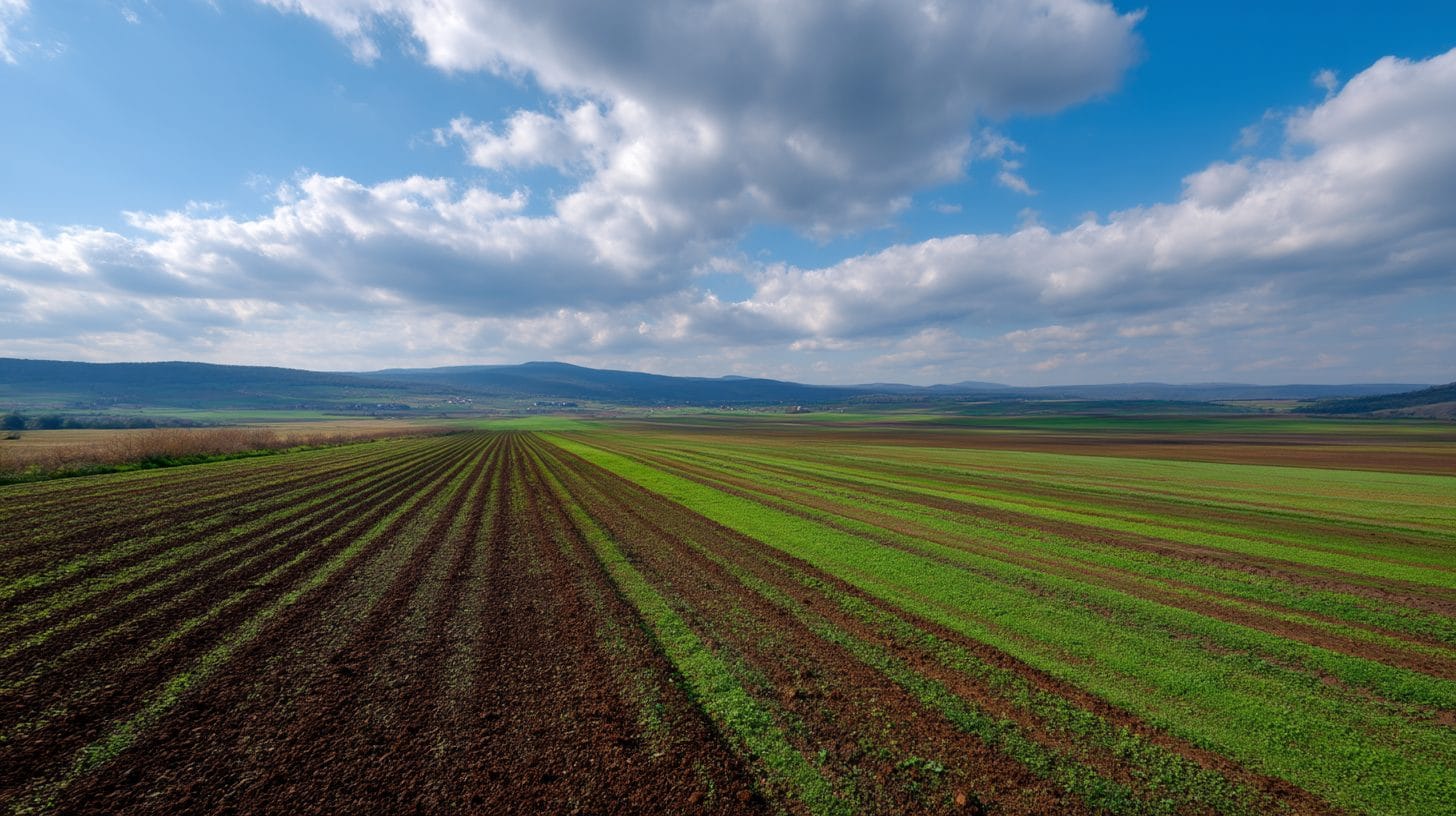
A Guide to Understanding Land Investment Risks in Romania
Investing in land is often viewed as a stable and profitable venture, offering both long-term appreciation and potential income generation. However, like any investment, land investments come with their fair share of risks. For those considering entering the Romanian real estate market, understanding these risks is crucial to making informed decisions. This comprehensive guide aims to uncover the various land investment risks in Romania, ensuring that potential investors are well-prepared to navigate this unique landscape.
Understanding the Romanian Market
Romania, strategically located at the crossroads of Eastern and Western Europe, presents an attractive opportunity for land investors, given its evolving economy and infrastructure developments. The country’s membership in the European Union since 2007 has facilitated several reforms aimed at enhancing foreign investments. However, navigating the Romanian real estate market requires a keen awareness of the associated risks.
Regulatory Risks
One of the primary land investment risks in Romania arises from regulatory challenges. The legislative framework governing land ownership, zoning, and urban planning can be complex and often subject to change. Investors must be thorough in their due diligence, ensuring they are aware of any local regulations that may affect their property rights. It is crucial to verify the land’s zoning classification and intended use, as this will influence the ability to develop or sell the land in the future.
Foreign ownership of land in Romania was traditionally limited, but changes in legislation over the years have gradually opened the market. Still, potential investors should familiarize themselves with the latest legal stipulations governing land acquisition by foreigners. Certain areas, particularly those deemed strategic, may still impose restrictions.
Environmental Risks
Investing in land in Romania also entails environmental risks that need careful assessment. Romania boasts diverse landscapes, ranging from lush forests to mountainous regions, but with these natural resources come potential liabilities. Environmental issues may arise from previous industrial activities, and potential investors should ensure that land is free from pollutants or contamination.
Conducting thorough environmental assessments before making a purchase is imperative. Understanding the potential costs of remediation and the impact of environmental regulations on future development plans is essential for determining the viability of the investment.
Market Volatility
Investing in land is not without its uncertainties, and market volatility represents a significant risk in Romania. Various factors can lead to fluctuations in land prices, including economic conditions, supply-demand dynamics, and global trends. The Romanian economy has shown resilience, but it remains susceptible to the global market’s influences, affecting the real estate sector.
Investors must closely monitor economic indicators, demographic trends, and infrastructural developments that could impact land value. Keeping abreast of changes in government policies and international relations can also provide valuable insights into potential market shifts.
Development Risks
For investors looking to develop land, additional risks come into play. Development risks encompass things such as delays in obtaining necessary permits, construction cost overruns, and availability of suitable contractors and labor. The construction industry in Romania has been witnessing growth, but it can still experience inefficiencies.
Investors should create a detailed project plan that includes a contingency budget to accommodate unexpected costs or setbacks. Collaborating with experienced local professionals, including architects and contractors familiar with the regulatory landscape, can help mitigate these development risks.
Delays in Infrastructure Improvements
Romania has been investing significantly in infrastructure improvements, contributing to its attractiveness as a land investment destination. However, investors must consider the potential delays in infrastructure projects. Improvements in transportation networks, utilities, and public services can significantly impact land value; therefore, understanding the timeline and likelihood of such developments is crucial.
Investors should assess existing infrastructure and potential future improvements when evaluating land parcels, as lack of access to roads, utilities, and services can hinder a property’s development and resale potential.
Cultural Considerations and Local Practices
Cultural nuances and local business practices also play a vital role in land investment risks in Romania. Understanding local customs and the general business etiquette can facilitate negotiations and transactions. Anticipating potential challenges when working with local authorities, businesses, and communities is crucial. Investors should seek to build relationships with local stakeholders to foster goodwill and ensure a smoother investment process.
Economic Policies and Political Stability
The political landscape in Romania can influence land investment risks significantly. Changes in government, policy decisions, and geopolitical events can directly affect the investment climate. Investors should remain informed of local political dynamics, upcoming elections, and important legislative proposals that may impact property rights or taxation.
Political stability is essential for maintaining investor confidence, and uncertainties may deter potential buyers. Therefore, closely monitoring national and regional political trends can provide investors with an opportunity to make informed decisions.
Financing Risks
Securing financing is a fundamental aspect of land investment, and related risks must be understood. Interest rates, market accessibility, and lending regulations can pose challenges for investors. In Romania, fluctuations in interest rates can impact overall borrowing costs, and lenders may impose stricter conditions in response to economic or market instability.
Understanding the financing landscape in Romania is vital for effective investment planning. Investors should explore various financing options, including local banks and international lenders, to find suitable terms that align with their investment strategies.
Conclusion
Land investment in Romania presents a unique opportunity for profit, but it also comes with a distinct set of risks that investors must navigate. Understanding regulatory, environmental, market, development, infrastructure, cultural, political, and financing risks is crucial for making sound investment decisions.
Potential investors are encouraged to engage local experts, conduct thorough due diligence, and stay informed about the ever-evolving landscape of the Romanian economy. While there are challenges inherent in land investments, the right knowledge and strategies can lead to successful ventures in Romania’s real estate market. By acutely assessing these land investment risks in Romania, investors can position themselves favorably and maximize their chances of long-term success.
Interested in Land Investment in Romania?
We specialize in high-yield land and property opportunities for serious investors.
VIEW OUR CURRENT PORTFOLIOSecure your investment with Land For Investors.

Published: April 12, 2025