

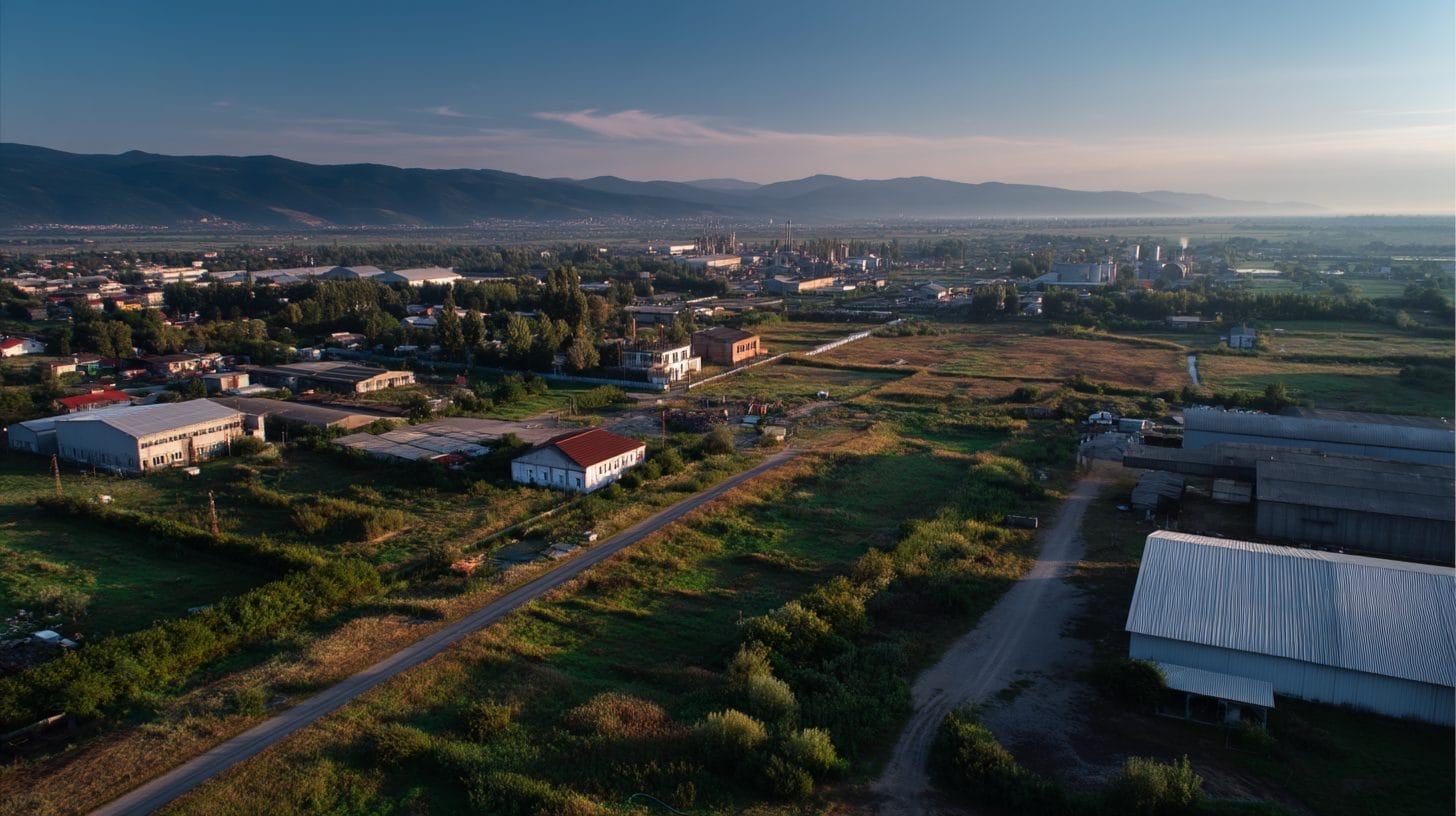
A Guide to Understanding Land Documentation Processes in Romania
In the realm of real estate and property ownership, the land documentation process stands as a critical component, particularly in Romania. As a country with a rich history and diverse landscape, understanding the land documentation process in Romania is essential for both individuals and businesses seeking to acquire or develop property. This extensive guide aims to illuminate the various steps, legal frameworks, and considerations involved in the land documentation process in Romania.
Romania, located in the southeastern region of Europe, has undergone significant changes in its legal and economic landscape since joining the European Union in 2007. These changes have impacted the land documentation process, making it imperative for potential buyers, investors, and stakeholders to familiarize themselves with the current regulations and practices.
The Basics of Land Ownership in Romania
To grasp the land documentation process in Romania, it is crucial to understand the basics of land ownership. In Romania, land can be owned by individuals, legal entities, or state institutions. The ownership rights encompass various types of property, including agricultural land, residential properties, commercial spaces, and industrial sites.
One must note that foreign nationals and companies have the right to acquire land in Romania, although certain restrictions apply, particularly regarding agricultural land. Understanding these nuances is essential for any foreign investor considering the Romanian real estate market.
The Initial Steps in the Land Documentation Process
The land documentation process in Romania begins well before an agreement is made, requiring several preliminary steps to ensure that the property is legally sound and free from encumbrances. One of the first actions a prospective buyer must take is to conduct thorough due diligence. This involves gathering essential documents and information related to the property, including:
1. Title Deed: This document serves as proof of ownership and outlines the property’s legal description, boundaries, and any rights or restrictions associated with it.
2. Land Registration Certificate: The land registry maintains a record of properties in Romania. Buyers should verify that the property is duly registered, ensuring no discrepancies exist in ownership claims.
3. Urbanism Certificate: For prospective buyers interested in developing property, acquiring an urbanism certificate is crucial. This document clarifies zoning regulations, and construction rules, and provides insight into future developments in the area.
4. Cadastral Documentation: Cadastral maps and reports offer crucial data about the land’s boundaries, features, and existing infrastructure. This documentation supports accurate property assessment.
5. Information on Liens and Mortgages: It is advisable to check whether the land has any outstanding debts or encumbrances that could complicate the purchase.
Navigating the Legal Framework
Once the initial due diligence is completed, the next step in the land documentation process in Romania involves navigating the legal landscape. Romania operates under a civil law system, governed by a series of codes and regulations that dictate property transactions. Key legal codes relevant to land transactions include:
1. The Civil Code: This code lays the foundation for property rights and regulations, addressing various aspects of ownership, transfer, and obligations related to property transactions.
2. The Notarial Code: Any land transaction in Romania typically requires the involvement of a notary public. The notarial code outlines the roles and responsibilities of notaries in certifying contracts and ensuring the legality of the transaction.
3. The Land Registry Law: This legislation governs the registration of properties within Romania. It stipulates the processes and requirements for registering land transactions, thereby ensuring public access to property information.
Engaging a Notary Public
A notary public plays a pivotal role in the land documentation process in Romania. The presence of a notary is mandatory for the signing of the sales-purchase agreement and for the registration of the transaction in the land registry. The notary ensures that all documents are in order, verifies the identity of the parties involved, and certifies the agreement for authenticity.
It is vital for buyers to choose a reputable notary experienced in real estate transactions to navigate potential complexities and avoid legal pitfalls. The notary will also assist in preparing the necessary documentation needed for registration purposes.
The Sales-Purchase Agreement
Once all preliminary steps are completed, a sales-purchase agreement must be drafted. This document outlines the terms and conditions of the property transaction, including:
– Identification of the parties involved
– Detailed description of the property
– Sale price and payment terms
– Conditions for the transfer of ownership
– Rights and obligations of both the buyer and seller
It is advisable to have legal counsel review the sales-purchase agreement to ensure compliance with Romanian laws and to protect the interests of both parties involved.
Registering the Property
After the sales-purchase agreement is executed, the next critical step in the land documentation process in Romania is the registration of the property with the land registry. The registration process serves as an official acknowledgment of the transfer of ownership and is fundamental for protecting the buyer’s rights.
To register the property, the following steps must be taken:
1. Submission of Required Documents: The notary will prepare and submit the necessary documentation, including the sales-purchase agreement, identification documents, and proof of payment for registration fees.
2. Payment of Taxes: The buyer is typically responsible for paying the transfer tax, which is calculated based on the property’s value. It is essential to consult with a tax advisor to understand the tax implications associated with the property acquisition.
3. Processing by the Land Registry Office: The land registry office will review the submitted documents, and if approved, will register the property in the buyer’s name. This process can take several weeks, depending on the workload of the office.
The Importance of Land Documentation
Proper land documentation is not just a legal requirement; it is essential for protecting ownership rights and ensuring the property is free from any legal disputes. Failing to adhere to the correct land documentation processes can result in numerous issues, including:
– Invalid property claims
– Financial loss due to encumbrances
– Legal disputes with previous owners or third parties
– Inability to develop or sell the property in the future
Conclusion
Understanding the land documentation process in Romania is an invaluable aspect of engaging in real estate transactions in the country. From due diligence to legal requirements, each step must be carefully navigated to ensure a smooth and legally sound transaction. Prospective buyers, investors, and stakeholders are encouraged to seek legal advice and engage reputable professionals to assist them in this intricate process. By familiarizing themselves with the land documentation process in Romania, they can protect their investments and make informed decisions in the vibrant Romanian real estate market.
Interested in Land Investment in Romania?
We specialize in high-yield land and property opportunities for serious investors.
VIEW OUR CURRENT PORTFOLIOSecure your investment with Land For Investors.

Published: April 13, 2025