

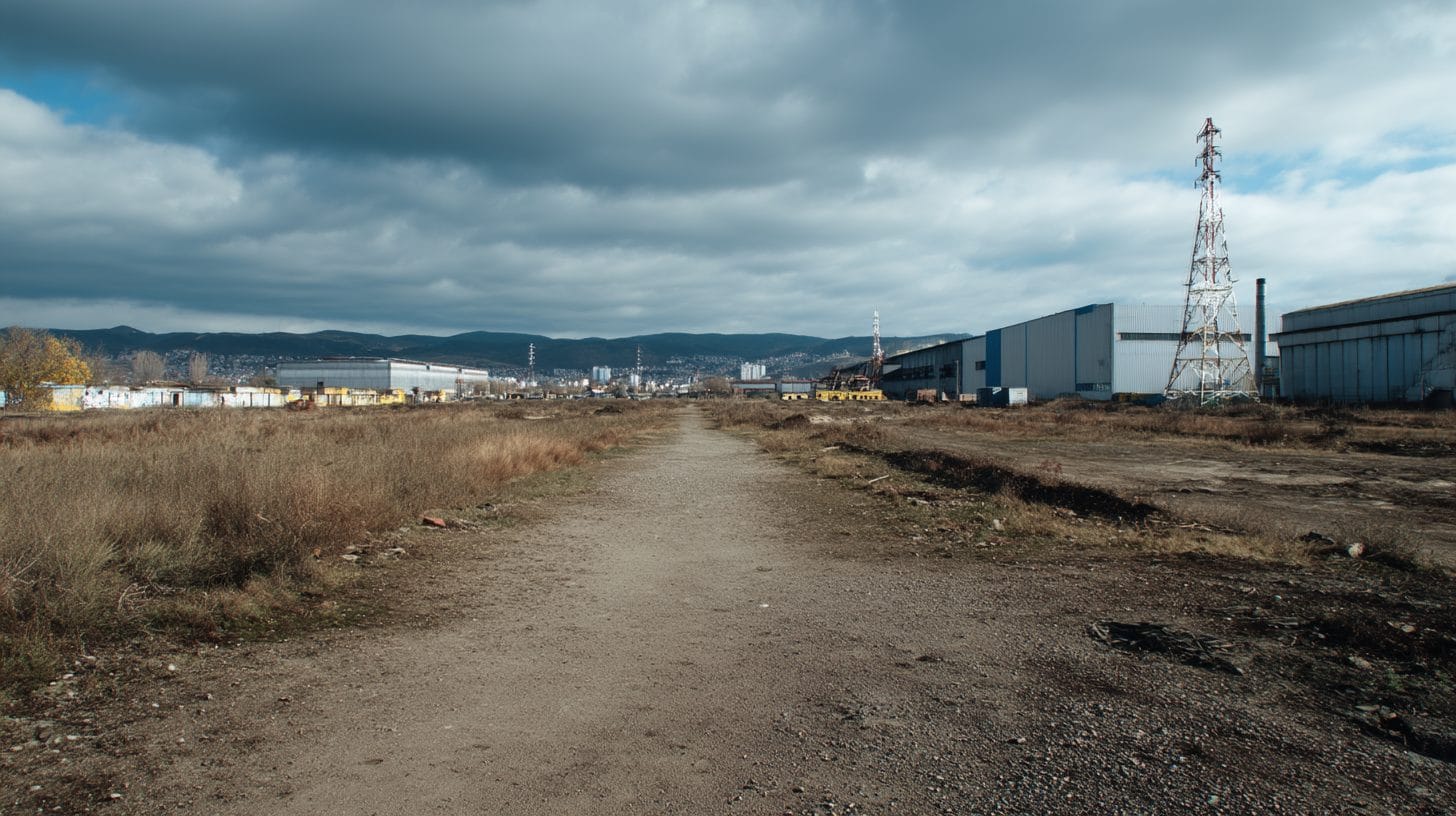
A Guide to Understanding Land Auction Processes in Romania
In recent years, the land auction process in Romania has gained significant attention, particularly for investors, developers, and individual outright buyers seeking opportunities within the country’s evolving real estate landscape. This comprehensive guide delves into the intricacies of the land auction process in Romania, providing valuable insights for stakeholders involved in this market.
Understanding the Land Auction Process in Romania: An Overview
A land auction in Romania is a legally sanctioned method of selling land parcels to the highest bidder. It serves as an efficient mechanism that promotes transparency and fairness in the disposition of public and private lands. The auction process is regulated by various laws and regulations that protect both the buyers and sellers, ensuring a level playing field.
The auction process typically encompasses several stages, including the announcement of the auction, the registration of prospective bidders, the bidding event itself, and the final transfer of ownership after the auction concludes. Each of these stages is crucial, and potential buyers must understand the procedures involved to navigate the auction successfully.
Types of Land Auctions in Romania
Land auctions in Romania can be classified into different categories based on several criteria, including the nature of the land, the selling entity, and auction modalities. The most common types of land auctions include:
1. Public Auctions: Conducted by government authorities, public auctions are designed for the sale of state-owned lands. These auctions are publicly advertised, allowing potential buyers to access important information regarding the auction date, location, and requirements.
2. Private Auctions: Private individuals or companies may conduct land auctions for their properties. These auctions are less regulated than public auctions but usually follow a predefined set of rules established by the owner.
3. Online Auctions: With the rise of digital platforms, online land auctions are becoming increasingly popular. They offer greater accessibility for bidders who cannot attend in-person auctions and have streamlined the bidding process.
Essential Steps in the Land Auction Process in Romania
1. Advertisement of Auction: The auction process begins with the official announcement, which typically includes detailed information about the land, including its location, size, legal status, and starting bid price. This announcement is usually published in local newspapers and on official government websites to reach a wide audience.
2. Registration of Bidders: Interested parties must register to participate in the auction. This often requires providing proof of identity, submitting necessary documentation, and paying a deposit. The deposit acts as a security measure for the auction process and may vary depending on the auction’s terms.
3. Site Visits: Prospective buyers generally have the opportunity to visit the land before the auction date. This provides them a chance to assess the condition of the property, understand its potential, and determine how much they are willing to bid.
4. Auction Day: On the day of the auction, registered bidders gather at the designated location (or log into the online platform for virtual auctions) to place their bids. The auctioneer initiates the bidding process, with participants raising their bids until the highest offer is made.
5. Winning the Bid: The auction concludes when no further bids are placed, and the highest bidder is declared the winner. At this point, the winning bidder must fulfill the payment obligations within the stipulated timeframe, often outlined during the auction.
6. Transfer of Ownership: Following payment, the ownership of the land is transferred to the winning bidder through a formal contract. It’s essential for buyers to ensure that all legalities, such as registration with the land registry, are adhering to Romanian law to finalize the transaction.
Key Considerations for Bidders
When participating in the land auction process in Romania, there are several factors bidders should keep in mind:
– Due Diligence: Conduct thorough research on the property, including legal status, zoning regulations, and environmental conditions. Obtaining a land registry extract can provide insights into ownership history and any potential encumbrances.
– Understand Legal Regulations: Familiarize yourself with laws governing land ownership in Romania, particularly regarding foreign ownership restrictions and any specific rules that may apply to the type of property you are interested in.
– Financial Capabilities: Assess your financial position before participating in an auction, considering not only the potential winning bid but also associated costs such as transfer taxes, legal fees, and potential renovation expenses.
– Competitive Bidding: Be prepared for a competitive bidding environment. Establish a clear budget and stick to it to avoid getting caught up in bidding wars that could lead to overextending financially.
– Professional Assistance: Consider engaging professionals, such as real estate agents, legal advisors, or financial consultants, who specialize in the Romanian land auction process. Their expertise can help you navigate complexities and maximize your investment potential.
Conclusion
Navigating the land auction process in Romania can be a rewarding venture, offering unique opportunities for investors and buyers alike. By understanding the auction’s key stages, types, and considerations, prospective bidders can enhance their chances of success, ensuring a smooth and profitable experience. Whether you’re looking to acquire land for personal use, investment, or development purposes, being well-informed about the land auction process in Romania is crucial for making sound decisions in the competitive landscape of Romanian real estate.
Interested in Land Investment in Romania?
We specialize in high-yield land and property opportunities for serious investors.
VIEW OUR CURRENT PORTFOLIOSecure your investment with Land For Investors.

Published: April 13, 2025