

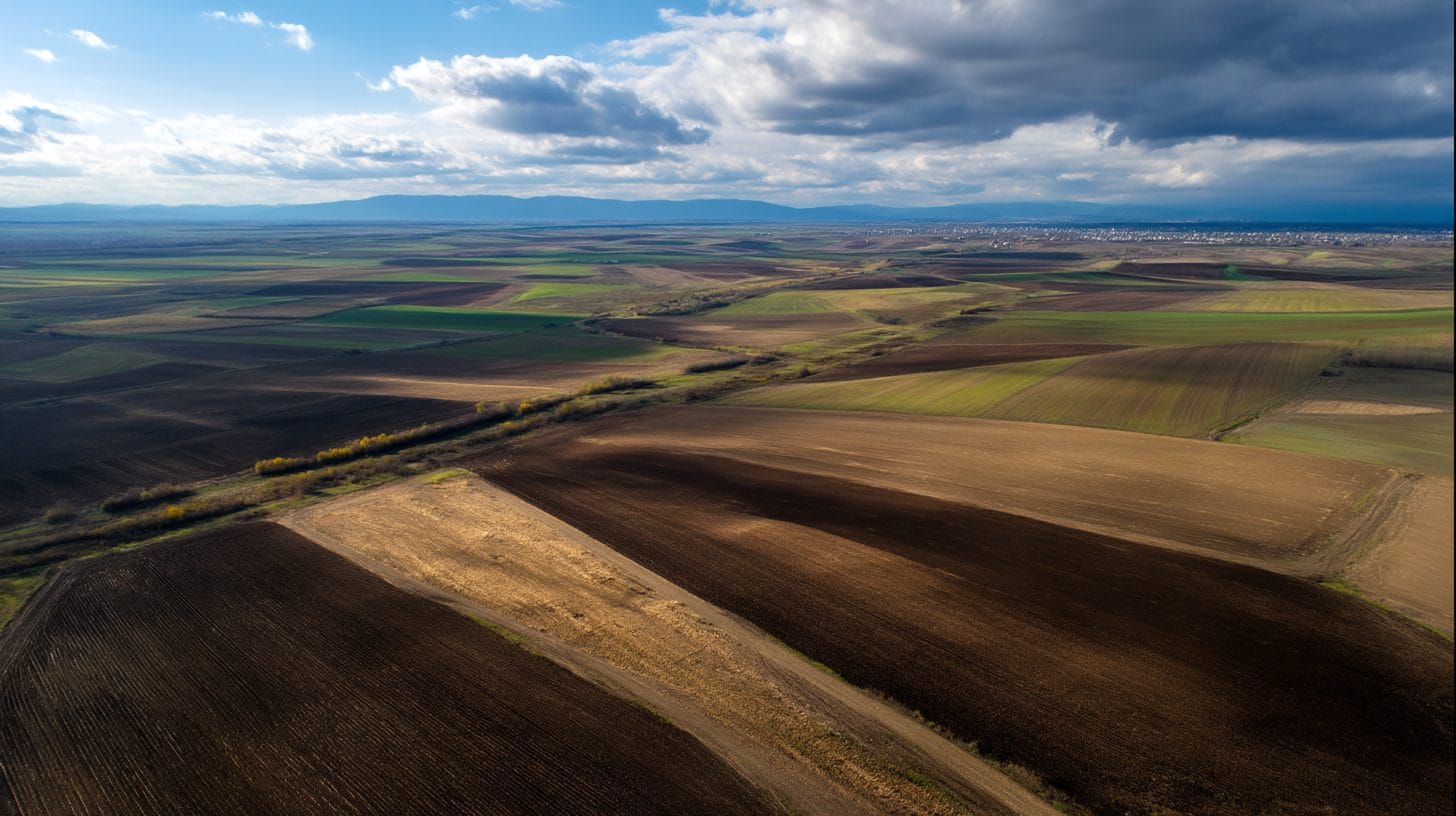
A Guide to Understanding International Real Estate Trends in Romania
In recent years, Romania has emerged as a prominent destination for international real estate investment, attracting attention from investors all over the globe. The evolving landscape of international real estate trends in Romania reflects the country’s economic growth, increasing urbanization, and the rise of technology-driven industries. This extensive guide aims to provide a comprehensive overview of these trends, while highlighting the opportunities and challenges that come with investing in Romania’s real estate market.
To understand the current state of international real estate trends in Romania, it is essential to consider various key factors that shape the market dynamics. These include economic indicators, legislative changes, urban development, and consumer preferences. By delving into these aspects, investors can make informed decisions and capitalize on the burgeoning opportunities in the Romanian property market.
Economic Landscape
Romania’s economic performance has been on an upward trajectory in recent years, characterized by steady GDP growth, improved infrastructure, and rising foreign direct investment (FDI). The country’s strategic location at the crossroads of Central and Eastern Europe positions it as a gateway for businesses looking to expand into the region. Additionally, Romania benefits from a relatively young and educated workforce, making it attractive for companies seeking to establish operations.
The increasing economic stability of Romania has played a significant role in driving interest from international real estate investors. Favorable conditions for investment, such as competitive property prices and potential for high returns, are key contributors to the attractiveness of the Romanian market. As a result, international real estate trends in Romania continue to reflect increasing demand from both domestic and foreign investors.
Urban Development
Urbanization is a significant driver of real estate trends in Romania. Rapid urban growth in cities like Bucharest, Cluj-Napoca, and Timisoara has led to increased demand for residential, commercial, and mixed-use developments. The rise of the gig economy and technology firms has fueled the need for modern office spaces, co-working environments, and urban residential complexes.
In Bucharest, the capital city, ongoing projects have transformed the skyline, introducing modern business districts and high-end housing options. Similarly, Cluj-Napoca, often referred to as the Silicon Valley of Romania, has witnessed a surge in tech-driven investments, leading to a corresponding increase in residential developments aimed at the young and dynamic workforce.
The Romanian government has recognized the importance of urban development and infrastructure enhancement. Initiatives aimed at improving public transportation, utilities, and urban planning have created a conducive environment for real estate development, further attracting investors who align with international real estate trends in Romania.
Regulatory Environment
The legislative framework governing real estate in Romania has gradually evolved to enhance transparency and protect investor interests. Recent reforms aimed at simplifying property acquisition processes, reducing bureaucratic red tape, and strengthening property rights have been pivotal in establishing a more investor-friendly environment.
Additionally, Romania is a member of the European Union, which further harmonizes its regulatory frameworks with EU standards. This alignment fosters greater stability and predictability for international investors, ensuring that their rights are protected and that they are able to navigate the local market more efficiently.
Emerging Trends
There are several emerging trends within the realm of international real estate in Romania that serve as indicators of the market’s direction. The rise of sustainable and eco-friendly developments is one such trend, as investors increasingly prioritize environmentally conscious projects. This shift aligns with global movements advocating for sustainability, and Romanian developers are rising to the occasion by incorporating green technologies and sustainable practices in their projects.
Another significant trend comes from the increase in demand for short-term rental properties, particularly in major urban centers and tourist hotspots. The growing popularity of platforms like Airbnb has prompted investors to consider opportunities in the short-term rental market. With rising tourist arrivals and a growing expatriate population, cities like Bucharest and Brasov are witnessing a boom in demand for furnished apartments suitable for short-term stays.
Additionally, the growing trend of remote work has prompted a re-examination of residential preferences. Many professionals are now seeking larger living spaces that can accommodate a home office setup. This shift is leading to increased interest in suburban and rural properties, further diversifying the market and attracting new demographics of buyers.
Challenges and Considerations
While the prospects of investing in Romania’s real estate market are promising, it is essential for international investors to remain aware of potential challenges. One major consideration is the volatility of the property market. Investors must conduct thorough due diligence to assess the market conditions and understand regional dynamics. Additionally, fluctuations in economic indicators can impact property values and rental yields.
Another challenge lies in navigating local customs and practices. Real estate transactions in Romania may differ from those in other countries, and investors are encouraged to engage local experts or real estate professionals who understand the nuances of the market. Establishing strong local partnerships can help mitigate risks and enhance the overall investment experience.
Furthermore, as international interest in Romania’s real estate market grows, competition is increasing. Investors need to stay abreast of current market trends, understand evolving consumer preferences, and adapt their strategies accordingly.
Conclusion
International real estate trends in Romania reflect a dynamic and evolving marketplace that offers significant opportunities for savvy investors. Economic growth, urbanization, legislative improvements, and changing consumer behaviors all contribute to a real estate landscape ripe for investment.
As Romania continues to enhance its attractiveness as a destination for international real estate investment, it is essential for potential investors to equip themselves with knowledge and insights about the local market. Understanding market dynamics and emerging trends will ultimately empower investors to make informed decisions that align with their goals.
By approaching the Romanian real estate market strategically and with informed awareness of the challenges and opportunities, international investors can capitalize on this vibrant market and benefit from Romania’s ongoing economic development and urban transformation.
Interested in Land Investment in Romania?
We specialize in high-yield land and property opportunities for serious investors.
VIEW OUR CURRENT PORTFOLIOSecure your investment with Land For Investors.

Published: April 6, 2025