

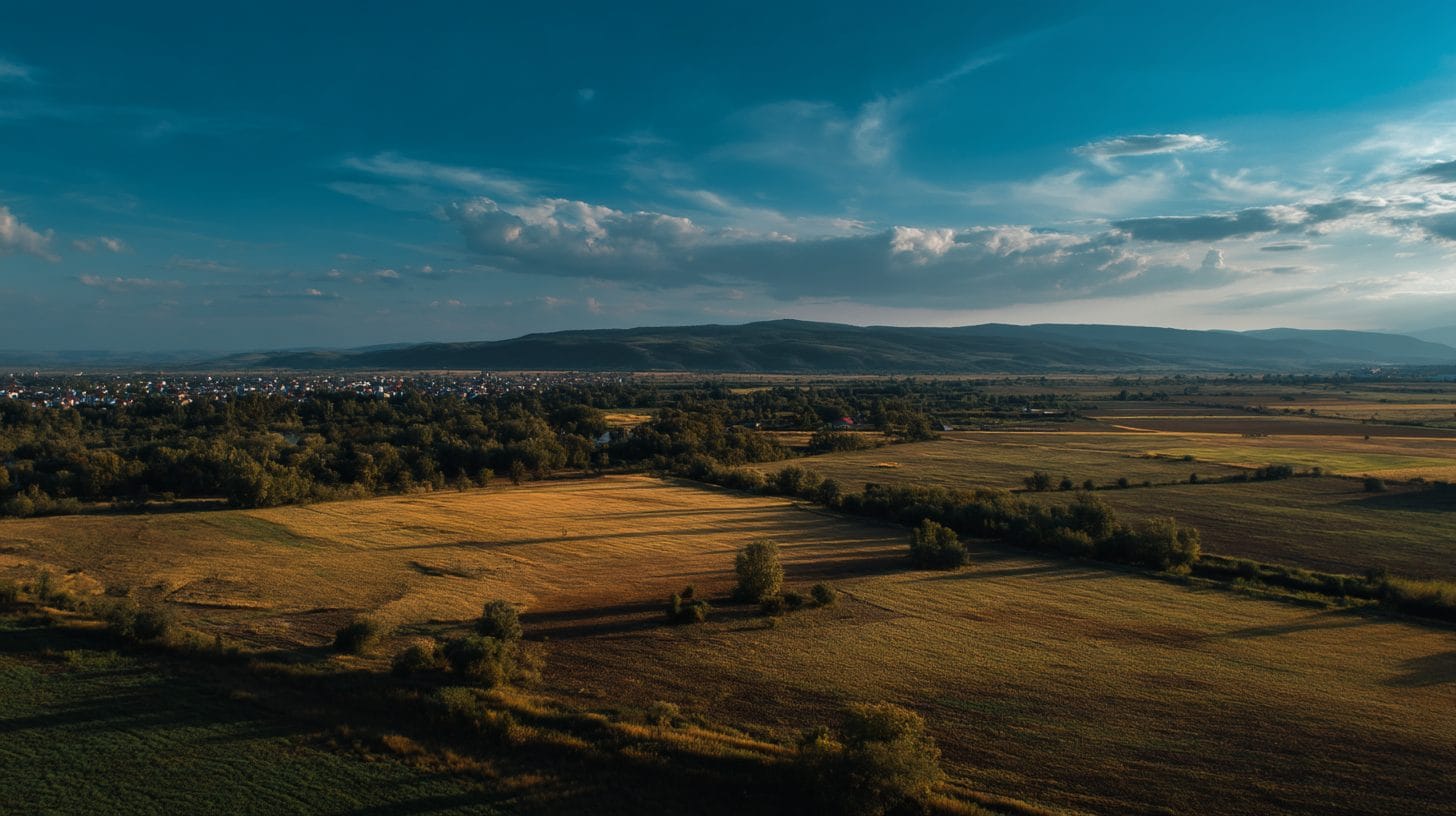
A Guide to Understanding Environmental Impact Assessments for Lands Near Bucharest
As urbanization accelerates in and around Bucharest, the need for environmental protection has become increasingly significant. Environmental Impact Assessments (EIAs) serve as a crucial tool to ensure that development activities do not harm the surrounding ecosystems. This guide offers comprehensive insights into environmental impact assessments specifically for lands near Bucharest, catering to both developers and local residents.
Understanding Environmental Impact Assessments
An Environmental Impact Assessment is a systematic process used to evaluate the potential environmental consequences of a proposed project before it is approved or implemented. This assessment aims to promote sustainable development by considering environmental, social, and economic factors. The procedure is embedded in regulatory frameworks both locally and at the European Union level.
In Romania, EIAs are governed by Law no. 292/2018, which aligns with EU Directive 2011/92/EU, ensuring that any plan or project that has the potential to significantly affect the environment undergoes this evaluation. This typically includes infrastructure projects, industrial developments, and changes in land use.
The Importance of EIAs for Lands Near Bucharest
The rapid growth of Bucharest—along with the increasing pressure on natural resources—makes EIAs even more vital for lands near the city. Here are several reasons why:
1. Sustainable Development: EIAs help promote sustainable land use by identifying potential environmental risks associated with proposed developments. This process encourages developers to take a more responsible approach to land use and resource management.
2. Biodiversity Conservation: Bucharest is surrounded by a variety of ecosystems, including forests, rivers, and wetlands, which are home to several species of flora and fauna. EIAs assess potential impacts on these habitats, promoting measures to protect local biodiversity.
3. Public Health: The assessment considers not only the environmental impacts but also the social implications such as air and water quality, which directly affect public health. Ensuring clean and safe surroundings is paramount in urban development.
4. Community Engagement: EIAs facilitate public participation by allowing community members to voice their concerns and opinions regarding proposed developments. This leads to transparency and ensures that the perspectives of local residents are considered.
5. Compliance with Regulations: For developers, conducting an EIA is often a legal requirement before obtaining necessary permits. Understanding this compliance aspect can save time, costs, and legal troubles.
Key Steps in the EIA Process
The EIA process for lands near Bucharest can be broken down into several key stages:
1. Screening: This initial step determines whether a project requires an EIA based on its scale, type, and potential environmental impacts. Projects categorized as having significant effects undergo further assessment.
2. Scoping: During scoping, the key environmental issues are identified, and the scope of the assessment is defined, benefiting from input from stakeholders, including local communities and authorities.
3. Impact Assessment: This phase involves a detailed analysis of the potential environmental effects related to the proposed project. Assessments cover various aspects, including air quality, water resources, biodiversity, noise levels, cultural heritage, and socio-economic factors.
4. Mitigation Measures: Based on the findings of the impact assessment, developers must propose measures to mitigate the identified adverse effects. This can include redesigning the project to minimize environmental harm, implementing green technologies, or creating conservation plans.
5. Reporting: An Environmental Impact Report (EIR) is prepared, summarizing the findings of the EIA, the potential impacts assessed, and the proposed mitigation measures. This report serves as a key document for decision-making.
6. Public Consultation: The EIR is subject to public scrutiny, allowing stakeholders and community members to review the findings and provide feedback. This step is essential for transparency and for integrating public concerns into the final decision-making process.
7. Decision-Making: Authorities review the EIR and the consultation outcomes to make informed decisions about whether the project can proceed, subject to modifications or mitigation measures.
8. Monitoring and Compliance: If approved, the project’s compliance with the prescribed mitigative measures is monitored throughout its lifespan. This monitoring is vital to ensure that any unforeseen impacts are addressed promptly.
Challenges and Considerations
Conducting an EIA for lands near Bucharest comes with its challenges, which developers and stakeholders should be mindful of:
1. Lengthy Process: The EIA process can be time-consuming, sometimes extending the timeline for project completion. Developers should factor this into their project planning.
2. Complexity of Regulations: Navigating the legal frameworks surrounding EIAs can be daunting. It is often advisable to consult with experts or environmental consultants for guidance.
3. Data Availability: Reliable and comprehensive environmental data, essential for a robust assessment, may not always be readily available, especially for new or lesser-known species and ecosystems.
4. Public Concerns: Engaging with local communities can be challenging, particularly if residents harbor fears or misconceptions about potential impacts. It is vital to address concerns transparently and provide accurate information.
5. Balancing Development and Conservation: Striking a balance between development needs and environmental protection can be difficult. Developers should approach this responsibility with a commitment to sustainability.
Conclusion
Environmental impact assessments are essential for the sustainable development of lands near Bucharest. They help to safeguard the environment while facilitating necessary urban growth. Understanding the EIA process, the importance of public participation, and the associated challenges is crucial for both developers and residents.
As Bucharest continues to expand, the importance of rigorous environmental assessments will play a pivotal role in shaping a sustainable future that prioritizes both development and ecological integrity. Whether you are a developer seeking to embark on a new project or a resident concerned about the implications of nearby developments, understanding the significance of environmental impact assessments is paramount for ensuring a thriving and sustainable environment in the region.
Interested in Land Investment in Romania?
We specialize in high-yield land and property opportunities for serious investors.
VIEW OUR CURRENT PORTFOLIOSecure your investment with Land For Investors.

Published: April 18, 2025