

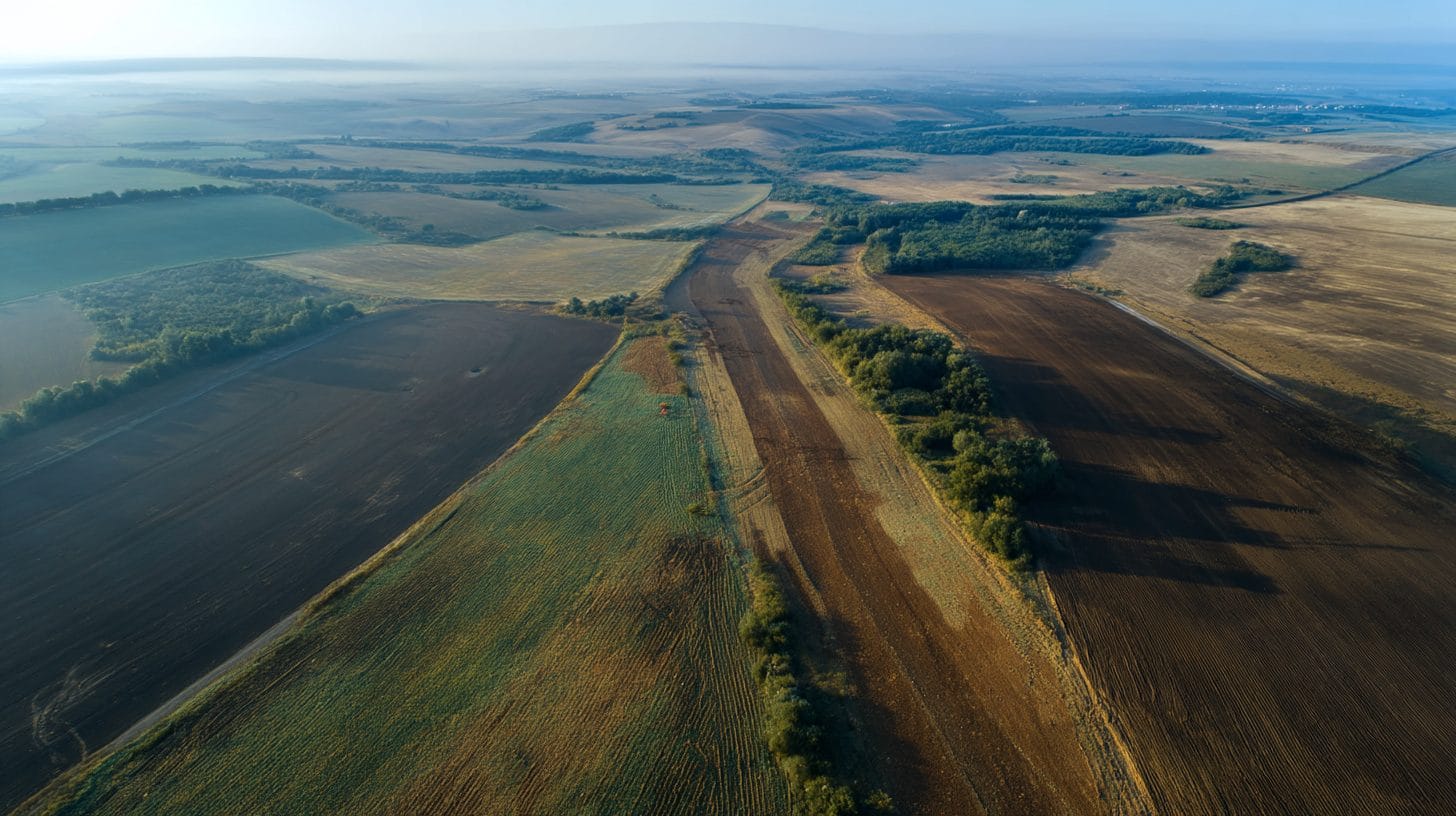
A Guide to Understanding Easements and Land Rights Near Bucharest
When dealing with property ownership and development, understanding easements and land rights is paramount for both existing and prospective property owners in Bucharest. This comprehensive guide aims to elucidate the concepts of easements and land rights and their implications within the context of Bucharest’s dynamic real estate landscape. It provides insights for homeowners, investors, and legal professionals alike regarding the key features, types, and legal frameworks surrounding easements and land rights near Bucharest.
Defining Easements and Land Rights
Easements refer to the legal rights that allow individuals or entities to use a portion of another person’s property for a specific purpose. This right does not grant ownership but allows for certain activities to be carried out on the land. Typically, easements pertain to issues such as access, utilities, drainage, or other necessities that require a shared use of land.
Land rights, on the other hand, represent the legal entitlements that an individual or entity holds over a piece of land. These rights can encompass ownership rights, usage rights, and various easements that may affect how the property can be used or developed. In Bucharest, the distinction between easements and land rights becomes particularly significant, especially for urban development and property transactions.
Types of Easements Relevant to Bucharest
There are several common types of easements that property owners in Bucharest may encounter:
1. Right-of-Way Easements: These easements allow a person or entity to pass through another’s property. A prevalent example is a pathway or road that provides access to a landlocked parcel. In Bucharest, where urban density is high, right-of-way easements can often become a point of contention, especially in crowded neighborhoods.
2. Utility Easements: Utility companies often require easements to install and maintain infrastructure such as water, gas, electricity, and telecommunications. Homeowners must be aware of existing utility easements on their property, as they can affect future development plans.
3. Drainage Easements: Certain properties may have easements that permit water drainage across neighboring lands. In a city like Bucharest, where flooding can be an issue, understanding drainage easements is crucial for property owners to mitigate liabilities.
4. Conservation Easements: These easements restrict development on a property to preserve the natural landscape. In the context of Bucharest, these may apply to historical sites or areas of significant ecological value.
Legal Framework Governing Easements in Bucharest
In Romania, the legal framework surrounding easements and property rights is defined by the Civil Code. It stipulates the conditions under which easements can be established, enforced, and relinquished. Property owners must be knowledgeable about these regulations to ensure compliance and to protect their rights.
Easements are typically established through one of four methods: explicit agreement (contract), necessity (implied by circumstances), prescription (long-term uninterrupted use), or statutory rights. The registration of easements with the land registry is critical, as it provides legal notice of these rights to any potential buyers or lenders.
The Importance of Due Diligence
Property transactions in Bucharest necessitate careful due diligence regarding easements and land rights. Prospective buyers should obtain title reports and surveyor maps to identify any existing easements on the property. Consulting with a legal professional who specializes in property law is advisable to navigate the complexities of easements and to understand their implications fully.
Moving forward, buyers should also consider the potential impact of easements on property values. In some cases, established easements can enhance property appeal by providing access routes or utility connections. Conversely, negatively perceived easements may detract from a property’s value, necessitating strategic negotiation during the purchase process.
Easements in the Urban Context of Bucharest
As Bucharest continues to develop and urbanize, the relevance of easements and land rights increases. Planning and zoning regulations come into play significantly, as local authorities in Bucharest determine how land can be used. This impacts both existing property owners and new developers, as adherence to zoning laws may influence the viability of certain projects, particularly in densely populated areas.
Additionally, encroachment issues may arise as urban areas expand. Property owners must ensure that their use of land does not infringe upon the rights of neighboring properties, which can lead to legal disputes. Familiarizing oneself with the local regulations and consulting with architects and urban planners can help mitigate potential conflicts.
The Future of Easements and Land Rights in Bucharest
Urban development is a constant in Bucharest, and understanding easements and land rights will be essential for property owners navigating this landscape. As economic growth continues and the real estate market evolves, ongoing education in this area will remain imperative. Stakeholders, including real estate developers, investors, and government entities, must work collaboratively to create transparent policies that protect land rights while accommodating the city’s need for growth.
Engagement in community discussions regarding land use planning will also play a crucial role in addressing the future dynamics surrounding easements in Bucharest. This ensures that property rights are balanced with communal interests, ultimately fostering a more sustainable urban environment.
In Conclusion
Easements and land rights represent crucial components of property ownership in Bucharest. Understanding these legal frameworks is essential for minimizing risks, enhancing property values, and navigating the complexities of property transactions. By staying informed about the different types of easements, legal obligations, and the urban context, property owners in Bucharest can make educated decisions that align with their ownership goals and contribute positively to the community at large.
As Bucharest continues to evolve, so too will the paradigms governing easements and land rights. Both current owners and investors must keep abreast of changes in the legal landscape and market conditions. By investing time into understanding these facets of property ownership, individuals can secure their land rights effectively, paving the way for a more prosperous future in Bucharest real estate.
For more information on easements and land rights in Bucharest, consider consulting local property law experts to gain personalized insights tailored to your circumstances.
Interested in Land Investment in Romania?
We specialize in high-yield land and property opportunities for serious investors.
VIEW OUR CURRENT PORTFOLIOSecure your investment with Land For Investors.

Published: March 13, 2025