

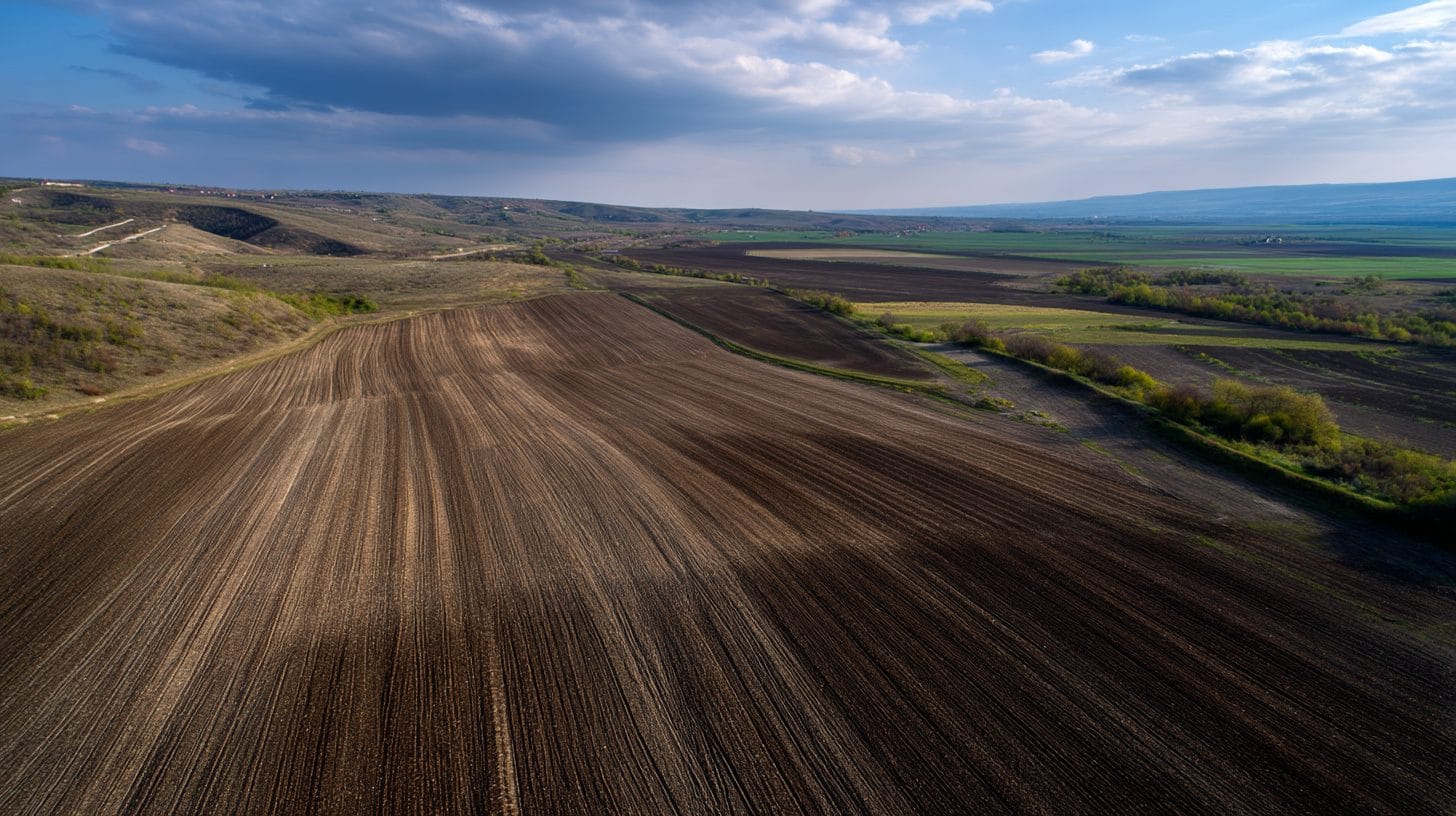
A Guide to Understanding Deed Restrictions on Land on Bucharest’s Ring Road
In the bustling metropolis of Bucharest, the Ring Road serves as a crucial connector, enhancing the accessibility of various locales while fostering economic development. As more individuals seek to invest in land along this strategic thoroughfare, an essential consideration arises—deed restrictions. Understanding these restrictions is pivotal for anyone looking to acquire property in this dynamic region. This comprehensive guide will delve into the intricacies of deed restrictions on land on Bucharest’s Ring Road, providing prospective buyers and investors with valuable insights to navigate these legal stipulations confidently.
What Are Deed Restrictions?
Deed restrictions, often referred to as covenants, are legally enforceable provisions included in the titles of real estate properties. They serve to regulate how the property can be used and developed, ensuring that it aligns with the desired neighborhood aesthetic, land usage objectives, and broader community standards. In essence, deed restrictions are designed to protect the interests of property owners, maintain property values, and preserve the overall character of a community.
The Importance of Understanding Deed Restrictions at the Bucharest Ring Road
The area surrounding Bucharest’s Ring Road has been strategically planned for various types of development, including commercial, residential, and mixed-use properties. With this potential comes the necessity for clear guidelines that manage growth, environmental concerns, and community cohesion. For investors, developers, and homeowners, familiarizing themselves with deed restrictions on land along this critical route can prevent future legal disputes and ensure compliance with local regulations.
Types of Deed Restrictions
1. Use Restrictions: These dictate how land can be utilized. For example, restrictions might specify residential versus commercial development, limiting certain high-impact businesses to safeguard the residential character of a neighborhood. Familiarizing yourself with these restrictions can guide you toward compliant investment decisions.
2. Architectural Control: Many communities impose architectural guidelines requiring a specific aesthetic for new constructions or renovations. This can include limitations on the building’s height, exterior materials, and overall design, ensuring that new structures harmonize with existing developments.
3. Land Use Types and Density Restrictions: In densely populated areas, such as Bucharest, density restrictions define the amount of development permissible on a given parcel of land. This guideline aims to prevent overcrowding, optimize city planning, and enhance residents’ quality of life.
4. Environmental Restrictions: Certain deed restrictions may address environmental considerations, such as maintaining green space, protecting wildlife habitats, or adhering to sustainability practices. These restrictions often align with local ordinances and contribute to broader city planning objectives.
The Process of Discovering Deed Restrictions
Before acquiring any parcel of land along Bucharest’s Ring Road, it is crucial to conduct thorough due diligence regarding existing deed restrictions. Here is a recommended process:
1. Title Search: Your first step should be to conduct a title search facilitated by a legal expert or a qualified real estate agent. This search will help reveal any existing restrictions attached to the property title.
2. Local Authorities: Meeting with local planning and zoning offices can provide insights into community-specific regulations that may not be explicitly stated in the property deed.
3. Homeowners’ Associations: If the property is within a community governed by an HOA, it’s imperative to review their rules and regulations regarding deed restrictions, which may impose additional criteria on property owners.
Legal Ramifications of Non-Compliance
Failing to adhere to deed restrictions can lead to significant consequences. This might include legal action from neighboring property owners or the HOA for damages or injunctions requiring compliance. It can also result in property value depreciation if violations necessitate costly remediation efforts. Understanding and respecting these restrictions is essential to maintain harmonious relations with neighbors and local governance bodies.
Resources for Property Owners
For prospective buyers and current property owners along Bucharest’s Ring Road, several resources are available for further information on deed restrictions:
1. Land Registry Office: This government office maintains records that detail the deed restrictions affecting the property, serving as a reliable source for verification.
2. Legal Assistance: Engaging with a real estate attorney who specializes in local property laws can provide clarity and guidance in navigating complex restrictions and acquire necessary permits.
3. Real Estate Agents: Professionals familiar with the Bucharest market can offer essential insights regarding the prevalence and types of deed restrictions common to specific areas along the Ring Road.
Conclusion
Investing in land on Bucharest’s Ring Road can yield substantial benefits, from economic growth opportunities to enhanced community living. However, understanding the implications of deed restrictions is essential for ensuring a successful and compliant investment. By familiarizing yourself with the types of restrictions in place, engaging with relevant resources, and seeking legal counsel where necessary, you can confidently navigate the property acquisition process. Ultimately, knowledge of deed restrictions on land in Bucharest’s Ring Road is an invaluable asset that can protect your investment and foster positive relationships within the community.
Interested in Land Investment in Romania?
We specialize in high-yield land and property opportunities for serious investors.
VIEW OUR CURRENT PORTFOLIOSecure your investment with Land For Investors.

Published: March 24, 2025