

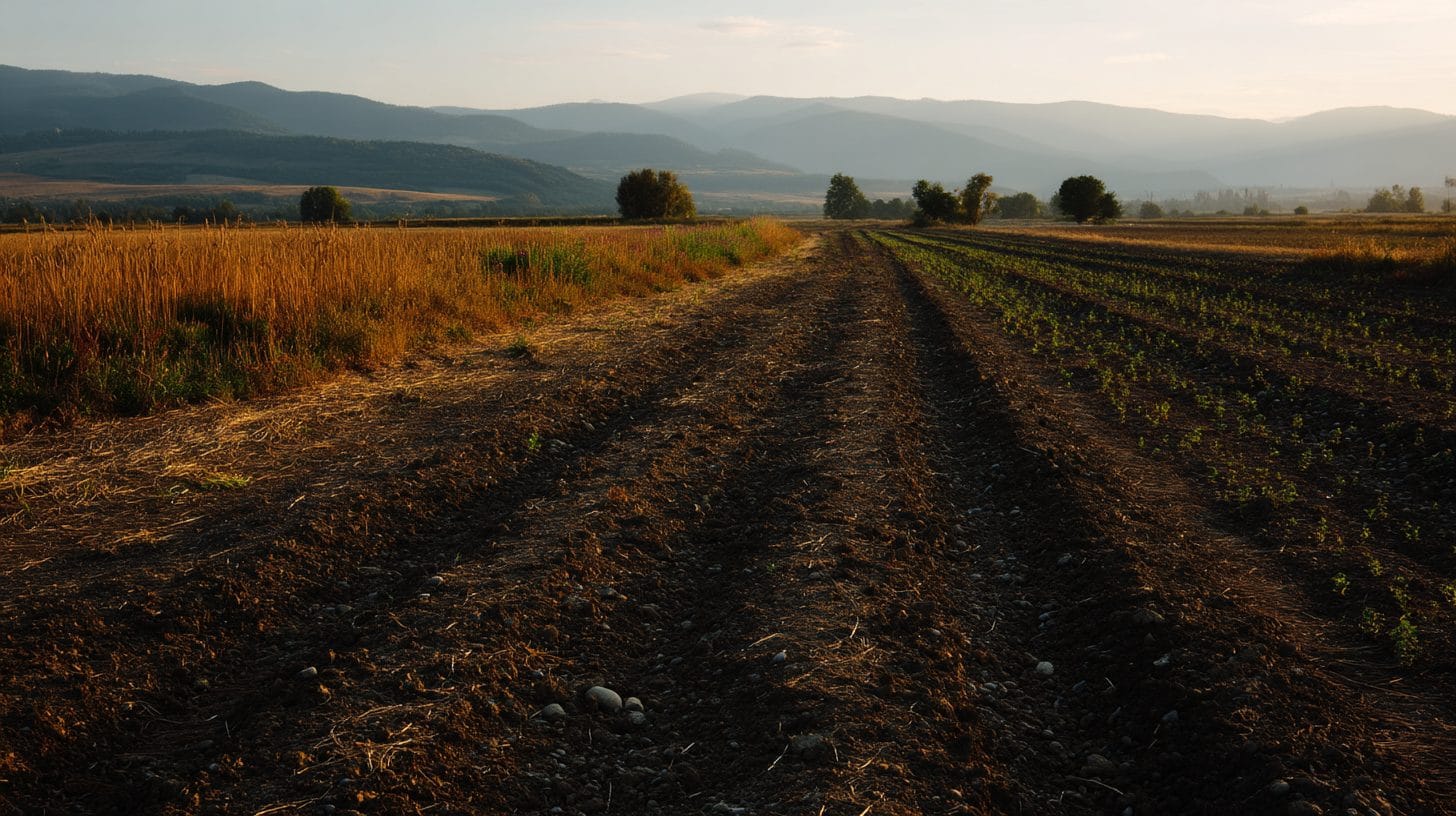
A Guide to Understanding Deed Restrictions on Land in Romania
When it comes to purchasing land in Romania, prospective buyers must navigate a variety of rules, regulations, and legal stipulations. One significant aspect that often influences property use is deed restrictions. These legally enforceable conditions can profoundly affect how landowners can use and develop their properties. Understanding the concept of deed restrictions in Romania is crucial for anyone considering investing in real estate in the region. This comprehensive guide aims to provide clarity regarding deed restrictions on land in Romania, their implications, and the potential challenges buyers may face.
What are Deed Restrictions?
Deed restrictions, commonly referred to as restrictive covenants, are provisions placed within the deed of a property that limit how the land can be used. These restrictions aim to protect the value and integrity of the neighborhood by stipulating rules that must be followed by future owners. In Romania, deed restrictions can take many forms, including but not limited to limitations on the types of buildings that may be erected, the maintenance of landscaping, the types of activities permitted on the property, and even stipulations preventing commercial enterprises in primarily residential areas.
Nature of Deed Restrictions in Romania
In Romania, deed restrictions can originate from various sources. They may arise from the original developer of a property, from an HOA (Homeowners Association), or be imposed by local governmental entities. In rural areas, it is not uncommon for deed restrictions to focus on agricultural practices, preservation of historical features, or environmental protections. In urban settings, deed restrictions could involve zoning laws that dictate population density, building heights, and commercial versus residential usage.
Legal Framework Governing Deed Restrictions in Romania
Deed restrictions in Romania are primarily governed by civil law principles outlined in the Romanian Civil Code. The code allows for specific stipulations regarding real property and outlines what constitutes valid restrictions. For a restriction to be enforceable, it must be explicitly stated in the deed and should not contradict local or national laws. Additionally, Romanian law requires that deed restrictions serve a legitimate purpose and not serve merely to impose restrictions for personal reasons.
Enforcement of Deed Restrictions
Enforcement of deed restrictions in Romania typically falls to property owners and, if applicable, the HOA or local authorities. If a property owner violates a deed restriction, they may face legal consequences, which could include fines, orders to cease activities, or even litigation initiated by another property owner whose interests or property value could be adversely impacted by the violation. In Romanian law, a neighbor or another affected property owner can file a complaint in civil court to enforce deed restrictions.
Importance of Due Diligence
Understanding and recognizing deed restrictions is paramount for potential land buyers in Romania. Due diligence should begin with a thorough review of the property deed to identify any restrictions that may apply. Buyers should consult with local real estate professionals or attorneys who are well-versed in Romanian property laws. They can provide valuable insights and assist buyers in navigating the complexities of deed restrictions. Conducting a title search is also advisable, as it reveals whether restrictions have been recorded and what their implications may be.
Common Types of Deed Restrictions in Romania
While there is a considerable range of potential deed restrictions, a few common types may emerge when examining land properties:
1. Architectural Controls: These restrictions often dictate specific architectural styles to ensure aesthetic cohesion within a neighborhood or development. Buyers must comply with stated guidelines regarding the appearance of façades, roof types, materials, and colors.
2. Land Use Restrictions: This category determines what types of activities can be conducted on the property. For example, some properties may be restricted to residential use only, prohibiting commercial enterprises.
3. Disclosure of Environmental Considerations: Some deed restrictions may result from government interventions focused on environmental preservation. Certain lands may be designated as protected areas to safeguard ecosystems, wildlife habitats, or historical sites, precluding developments that could compromise these values.
4. Maintenance and Upkeep Requirements: These restrictions can mandate landowners to maintain their properties in a certain manner. For example, it may require regular upkeep of lawns, gardens, and external property features.
Challenges Associated with Deed Restrictions
While deed restrictions can offer benefits, such as maintaining property values and ensuring neighborhood harmony, they can also pose challenges. Buyers may find themselves constrained by limitations that were not fully disclosed or understood at the time of purchase. Such restrictions may impact their plans for renovations, expansions, or other property developments. Furthermore, the process to appeal or amend specific restrictions can be cumbersome and time-consuming, requiring consensus from multiple property owners and potential legal action.
Conclusion
Navigating deed restrictions on land in Romania is an essential component of the real estate investment process. Understanding the nature and implications of these restrictions can save buyers from future complications and unexpected challenges. Prospective property owners should engage in thorough due diligence, seek expert guidance, and be prepared for potential limitations concerning their land use.
Investing in land with a comprehensive understanding of deed restrictions can lead to a more rewarding and less complicated ownership experience, ensuring that property investments align with personal goals and local regulations. Therefore, a proactive approach in acknowledging and addressing any deed restrictions will undoubtedly contribute to a successful property ownership experience in Romania.
Interested in Land Investment in Romania?
We specialize in high-yield land and property opportunities for serious investors.
VIEW OUR CURRENT PORTFOLIOSecure your investment with Land For Investors.

Published: April 16, 2025