

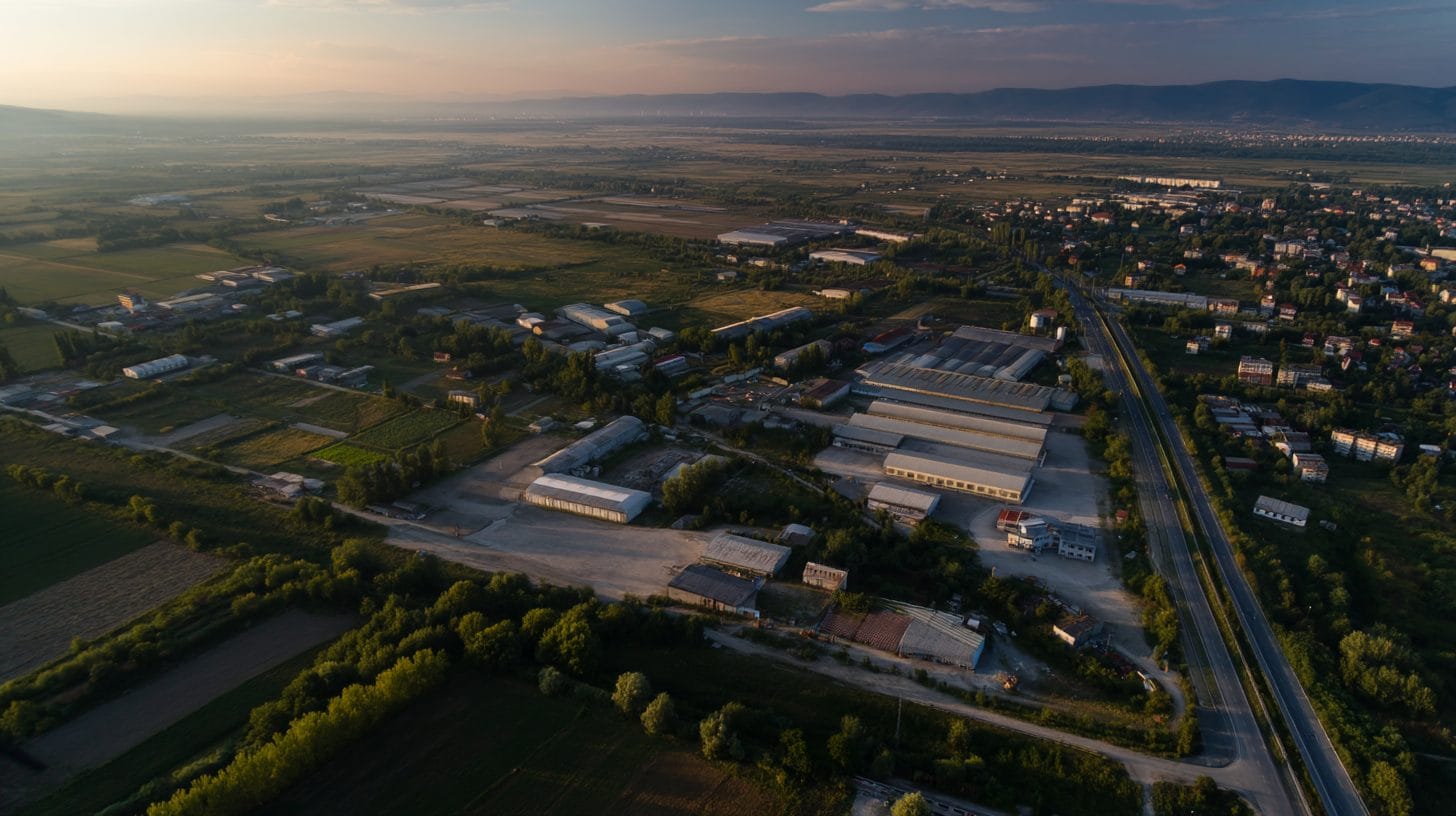
A Guide to Understanding Building Permits for Foreign Investors in Romania
In recent years, Romania has emerged as an attractive destination for foreign investors seeking to establish or expand their presence in Eastern Europe. This increase in foreign investment has been met with a corresponding complexity in regulations and administrative requirements, especially concerning building permits. Understanding the nuances of building permits in Romania is crucial for foreign investors who wish to embark on construction or renovation projects. This comprehensive guide aims to elucidate the intricacies of building permits specifically for foreign investors in Romania, optimizing for the critical search term “building permits Romania foreign investors.”
The Legal Framework Surrounding Building Permits in Romania
To navigate the construction landscape in Romania, foreign investors must first familiarize themselves with the country’s legal framework governing building permits. The primary legislative act that regulates building construction and the associated permits is the Law No. 50/1991, which has been amended several times to adapt to changing needs and standards. This law establishes the roles and responsibilities of various local authorities and outlines the procedural steps for obtaining building permits.
Under Romanian law, any construction, alteration, or extension of buildings requires a building permit, provided the project meets certain criteria. These include the necessity for adherence to zoning regulations, technical standards, and environmental considerations. It is vital for foreign investors to consult with local authorities concerning specific regulations applicable to their selected location, as these can vary significantly across Romania’s 41 counties and Bucharest.
The Role of Local Authorities
Building permits in Romania are administered at the local government level, specifically by the Local Council and the City Hall of the municipality where the project is situated. Foreign investors should engage with these entities early in their project planning to understand local zoning laws, potential restrictions, and guidelines for the development of property. Local authorities can provide critical insight into whether the intended project aligns with the established urban planning and development goals.
The required documentation may differ based on the project’s scale and nature; however, common requirements typically include:
1. Proof of property ownership or lease agreements.
2. A site survey outlining existing structures and topography.
3. Architectural plans approved by an authorized architect.
4. A technical description of the construction project, including materials and technology to be used.
5. Environmental impact assessments, when applicable.
Engaging local legal and real estate professionals can be an important step for foreign investors unfamiliar with these requirements.
Key Steps to Secure Building Permits
Navigating the building permit process in Romania can be daunting, but understanding the key steps can help streamline the endeavor. Generally, the process involves the following stages:
1. Preliminary Research and Project Assessment: Prior to submission, investors should conduct thorough research on zoning regulations, historical conservation areas, and any other elements that could affect their project. Consulting professionals, including urban planners or architects, can aid in assessing feasibility.
2. Compile Required Documentation: Investors must gather the necessary documents, as indicated by local authorities, and ensure compliance with all technical and legal standards.
3. Submit Application: Once all documentation is ready, the formal building permit application can be submitted to the local council or municipality. This submission typically incurs direct fees based on the project scale and complexity.
4. Review Process: The local authorities will conduct an assessment of the applications received. This phase can involve consultations with other relevant authorities to evaluate zoning, environmental impacts, and technical feasibility.
5. Permit Issuance: If the application meets all legal requirements, the building permit will be granted. It is essential for investors to carefully review the permit’s conditions and stipulations before commencing construction.
6. Monitoring Compliance: After obtaining a permit, compliance with construction codes, safety standards, and permits must be maintained throughout the building process. Inspections may occur at various stages to ensure adherence to the authorized plans.
The Importance of Environmental Regulations
As part of the building permit process in Romania, environmental considerations cannot be overlooked, particularly for large-scale or high-impact projects. Foreign investors are required to conduct environmental assessments if their project may significantly affect the surrounding ecosystem or community. Engaging environmental consultants experienced in Romanian legislation is highly recommended to navigate this crucial aspect seamlessly.
Understanding Costs and Fees
Securing building permits in Romania incurs various costs that investors must factor into their overall budget. Fees will vary depending on the municipality, the size of the property, and the scope of the project. Generally, applicants might encounter:
1. Application fees: Charged for processing the building permit application.
2. Inspection costs: Incurred for mandatory inspections conducted during the construction phase.
3. Fees for expert opinions: Often needed for environmental assessments or architectural evaluations.
It’s important for foreign investors to budget adequately and ensure they have a clear understanding of all potential costs associated with obtaining building permits.
Challenges and Solutions for Foreign Investors
While the process of securing building permits in Romania is generally straightforward, foreign investors may encounter certain challenges, such as language barriers, bureaucratic hurdles, or varying interpretations of the law by local authorities. To mitigate these issues:
1. Engage local professionals: Hiring local lawyers, architects, and urban planners can alleviate misunderstandings and smoothen communications with relevant authorities.
2. Leverage local partnerships: Collaborating with Romanian companies can provide established networks and facilitate the necessary permissions for swift project advancement.
3. Stay informed: Keeping up-to-date with local legislation, urban development trends, and periodically revisiting existing norms will better prepare investors for the evolving landscape of construction in Romania.
In Conclusion
Understanding the process of obtaining building permits in Romania is a crucial task for foreign investors aiming to contribute to the growth of the nation. By familiarizing themselves with the local laws, engaging the right professionals, and being aware of the challenges that may arise, foreign investors can navigate the building permit landscape smoothly. Romania’s expanding market presents significant opportunities, and securing a comprehensive grasp of building permits will undoubtedly facilitate a solid foundation for future projects.
By addressing the specific permit needs and regulations unique to “building permits Romania foreign investors,” this guide serves as a vital resource for those eager to invest in Romania’s burgeoning real estate market, ensuring compliance with legal frameworks while maximizing investment potential. Being knowledgeable about the necessary protocols and establishing strong local ties is the formula for successful investment in Romania’s vibrant construction sector.
Interested in Land Investment in Romania?
We specialize in high-yield land and property opportunities for serious investors.
VIEW OUR CURRENT PORTFOLIOSecure your investment with Land For Investors.

Published: March 26, 2025