

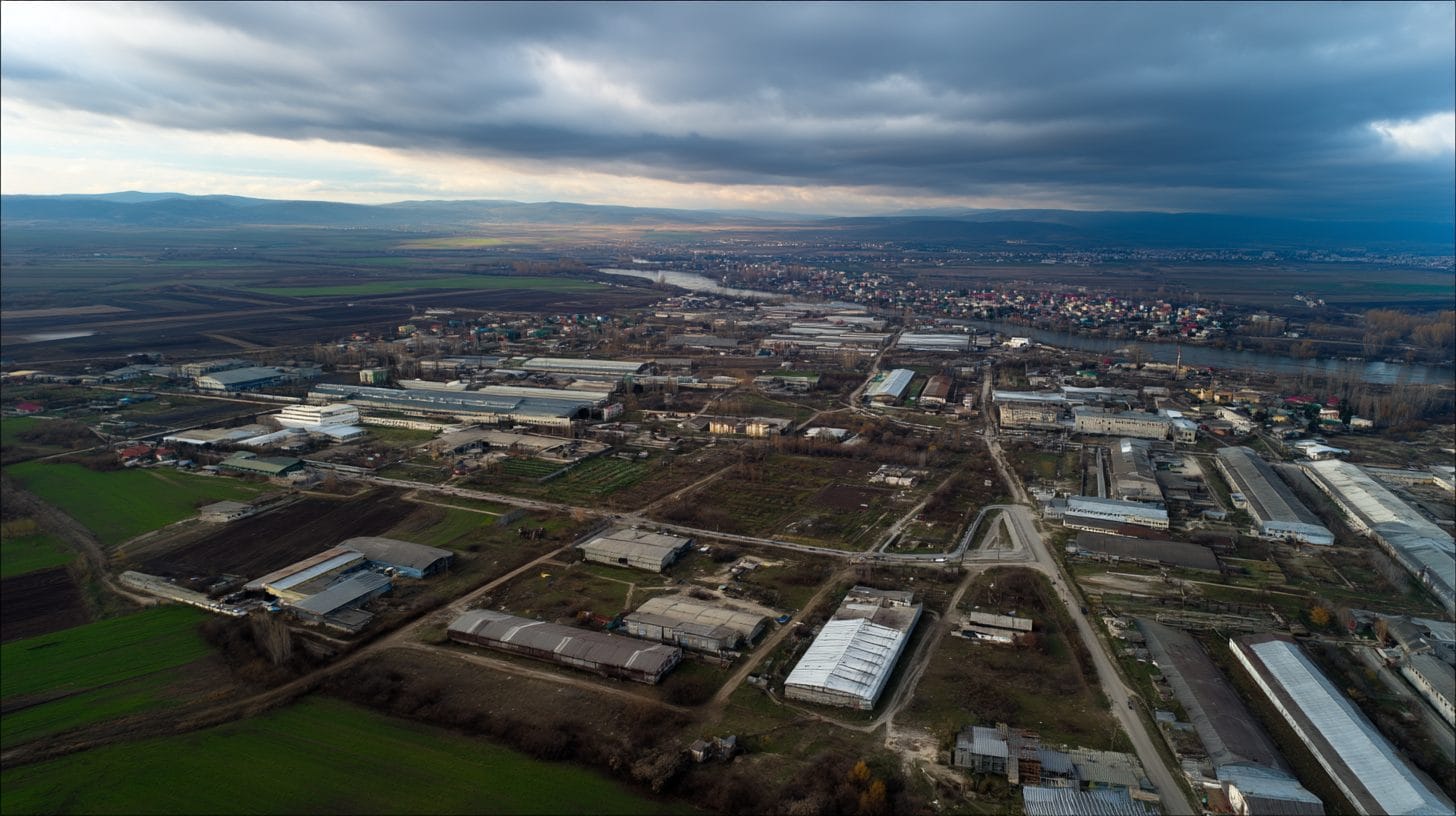
A Guide to Sustainable Building Practices in the Bucharest Region
As the world increasingly grapples with the implications of climate change, the drive toward sustainable building practices has become imperative, particularly within urban environments. Bucharest, the capital of Romania, is no exception to this trend. Sustainable building in Bucharest is gaining traction, reflecting both an environmental commitment and a response to the demands of modern urban living. This article aims to provide detailed insights into sustainable building practices within the Bucharest region, covering key concepts, technologies, and strategies that facilitate eco-friendly construction and renovation.
The Importance of Sustainable Building in Bucharest
Bucharest is experiencing rapid urbanization, leading to significant environmental challenges such as increased air pollution, energy consumption, and waste generation. Sustainable building practices focus on reducing negative environmental impacts while promoting social equity and economic health. In the Bucharest context, sustainable construction has the potential to improve the quality of life, enhance the resilience of communities to climate change, and foster economic growth through the creation of green jobs.
Key Principles of Sustainable Building
Sustainable building practices in Bucharest are grounded in a few foundational principles, which include energy efficiency, resource conservation, indoor environmental quality, and the use of sustainable materials. Understanding these principles is key for architects, builders, and policymakers engaged in the sustainable development of the region.
1. Energy Efficiency: To enhance energy performance in buildings, incorporating passive solar design, high-quality insulation, and energy-efficient windows is essential. Additionally, integrating renewable energy sources, such as solar panels, can significantly decrease dependence on fossil fuels.
2. Resource Conservation: Sustainable construction emphasizes the efficient use of materials throughout the building’s lifecycle. This includes choosing locally sourced materials to reduce transportation emissions and selecting products with a low environmental impact.
3. Indoor Environmental Quality: Ensuring that buildings provide a healthy and comfortable indoor environment is critical. This involves using low-VOC paints and finishes, providing ample ventilation, and optimizing natural lighting to enhance the occupants’ wellbeing.
4. Sustainable Materials: Utilizing sustainable materials is pivotal in minimizing a building’s ecological footprint. This includes recycling materials and considering their lifecycle impact in terms of extraction, use, and disposal.
Sustainable Building Technologies
Bucharest is witnessing an influx of innovative technologies aimed at supporting sustainable building practices. These technologies not only enhance the efficiency of construction but also support the long-term sustainability of buildings.
1. Smart Building Systems: Many new buildings in Bucharest are integrating smart building technology, which involves automation for energy management, lighting control, and climate regulation. These systems allow for real-time monitoring and optimization of resource use.
2. Green Roofs and Walls: Incorporating green roofs and living walls is a trend gaining popularity in Bucharest. These green elements help to insulate buildings, reduce heat absorption, and improve urban biodiversity, all while providing aesthetic benefits.
3. Water Conservation Systems: Rainwater harvesting systems and greywater recycling are important practices that help buildings reduce their water footprint. Implementing such systems can significantly decrease the demand for potable water in residential and commercial properties.
4. Prefabrication and Modular Construction: The use of prefabricated components can streamline the construction process, reduce waste, and enhance building quality. This approach is increasingly utilized in sustainable building projects in Bucharest as developers prioritize efficiency.
Regulatory Framework and Support for Sustainable Building
To bolster sustainable building efforts, the Romanian government has established various regulations and incentives. The National Strategy on Climate Change and Environmental Protection emphasizes sustainable architectural practices and aims to promote energy-efficient buildings. Additionally, Bucharest has adopted local urban regulations that support green building initiatives, such as the Green Building Standard, which sets forth criteria for environmental performance in architecture.
Furthermore, financial incentives, such as subsidies for energy-efficient renovations and support for renewable energy installations, play a critical role in advancing sustainable building practices within the city. Local businesses and homeowners interested in sustainable construction can benefit significantly from these initiatives.
Challenges and Opportunities in Sustainable Building Bucharest
While the movement towards sustainable building in Bucharest is growing, it does face several challenges. One of the primary hurdles is the relatively high upfront costs associated with sustainable materials and technologies, which can deter potential investors and homeowners. However, it is essential to view these costs through the lens of long-term savings on energy bills and reduced maintenance.
Another challenge includes a lack of awareness and education about sustainable building practices among construction professionals and the general public. Addressing this need through training programs and resources can empower stakeholders to adopt greener practices.
On the upside, the demand for sustainable buildings is rising as consumers become more environmentally conscious. This provides a significant opportunity for businesses that specialize in sustainable construction methods or materials, ultimately benefiting the local economy.
Conclusion
Sustainable building practices in Bucharest not only represent a response to pressing environmental concerns but also pave the way for an improved quality of life for residents. By prioritizing energy efficiency, resource conservation, and the use of sustainable materials, builders and developers can significantly reduce their ecological impact while fostering vibrant communities. As the regulatory framework and public interest continue to evolve, Bucharest stands poised to be a leader in sustainable building, serving as a model for other urban areas around the world. Embracing sustainable building practices is more than an environmental obligation; it is an opportunity to enhance urban spaces, create greener economies, and secure a healthier future for generations to come.
Interested in Land Investment in Romania?
We specialize in high-yield land and property opportunities for serious investors.
VIEW OUR CURRENT PORTFOLIOSecure your investment with Land For Investors.

Published: February 17, 2025