

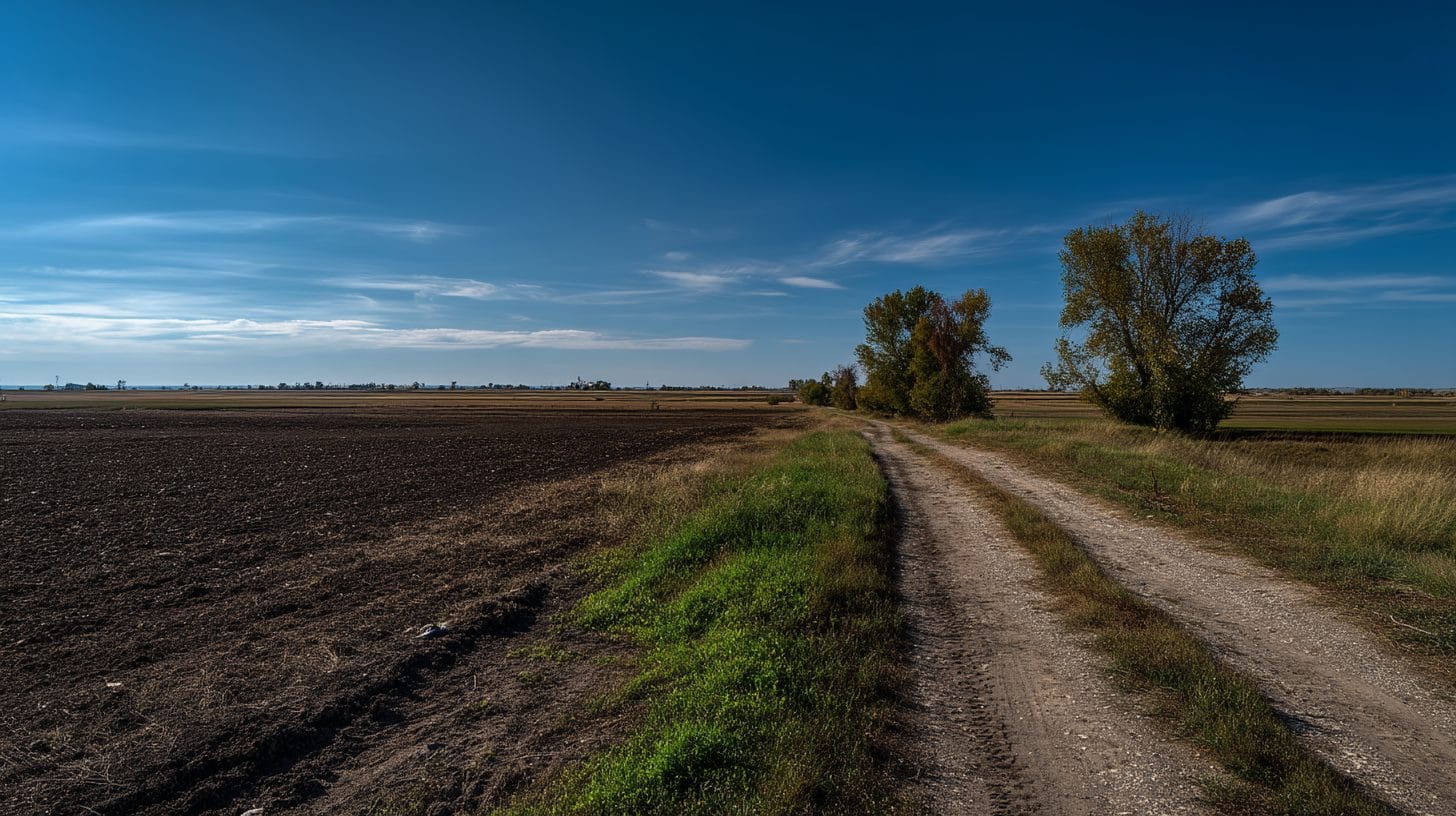
A Guide to Soil Testing for Land in Clienceni, Ilfov
Understanding the agricultural potential and the environmental conditions of your land is fundamental when considering land use and management strategies. In Clienceni, Ilfov, soil testing provides crucial information that can inform decisions regarding crop selection, fertilization, and overall land management practices. This comprehensive guide is tailored for landowners and agricultural enthusiasts in Clienceni, Ilfov, who seek to optimize their land through effective soil testing.
Why Soil Testing is Important
Soil testing is a critical procedure that determines the nutrient composition, pH levels, and overall health of the soil in any given area. In Clienceni, Ilfov, this process is particularly significant due to the varied agricultural activities and unique environmental conditions in the region. Testing the soil enables landowners to:
1. Understand Nutrient Availability: Soil tests reveal essential nutrients such as nitrogen, phosphorus, potassium, and micronutrients. Knowing the nutrient status assists in crafting a targeted fertilization plan.
2. Optimize Crop Yield: Different crops have various nutrient requirements, and soil testing can guide suitable crop selection and improve yield potential.
3. Prevent Environmental Degradation: Excessive fertilization without understanding soil needs can lead to nutrient runoff, affecting local water bodies and ecosystems. Soil testing can substantially mitigate such risks.
4. Enhance Soil Health: Regular soil testing helps in monitoring soil health over time, which can lead to improved soil structure and increased organic matter.
The Soil Testing Process
Understanding how to conduct soil testing is equally as important as the testing itself. A systematic approach should be followed to ensure accurate results:
1. Timing and Preparation: Soil tests should ideally be conducted during periods of inactivity for crops or before planting. Gather all necessary tools, including a clean bucket, shovel or soil probe, and sample bags.
2. Sample Collection: Collect soil samples from various locations across your land in Clienceni to ensure a representative analysis. Aim for 10-15 subsamples, which should be mixed to create a composite sample. Take samples from a depth of 15-20 cm to capture the root zone where most nutrients are found.
3. Sample Processing: Break apart the collected soil and air-dry it. Avoid heating the soil as it can alter the chemical composition. Sift through it to remove debris and clumps of organic matter.
4. Laboratory Analysis: Choose a reputable soil testing laboratory that offers comprehensive analysis services. Provide your composite sample along with any special requests regarding nutrient testing, pH level assessments, or organic matter analysis.
5. Interpreting Results: Once you receive your results, the laboratory will provide recommendations based on the tested parameters. It’s essential to understand these recommendations thoroughly, possibly seeking assistance from agricultural experts if needed.
Key Parameters to Analyze
When undertaking soil testing for land in Clienceni, Ilfov, it’s important to focus on several key parameters to gain a comprehensive understanding of soil health:
1. pH Level: The pH of the soil affects nutrient availability and microbial activity. Most crops thrive in slightly acidic to neutral pH (6.0 – 7.0). Adjustments can be made using lime (to raise pH) or sulfur (to lower pH) based on soil test results.
2. Macronutrients: Assessing the levels of nitrogen, phosphorus, and potassium (NPK) is vital. Nitrogen boosts vegetative growth, phosphorus enhances root development and flowering, while potassium improves overall plant health.
3. Micronutrients: Elements such as iron, manganese, zinc, and copper are essential for plant health in smaller quantities. Soil testing can help identify deficiencies and guide amendments.
4. Organic Matter: The organic content of the soil helps retain moisture, improves soil structure, and fosters beneficial microbial activity. A minimum of 3% organic matter is generally preferred for healthy soil.
5. Cation Exchange Capacity (CEC): This measures the soil’s ability to hold onto essential nutrients, indicating nutrient retention capabilities and overall fertility.
Implementing Test Results into Practices
Once soil test results are obtained and analyzed, integrating these insights into practical agricultural strategies is key. This might include:
1. Targeted Fertilization: Utilizing the specific nutrient recommendations from your test results, create a fertilization plan tailored to the unique requirements of your crops.
2. Crop Rotation: Based on nutrient levels and crop preferences, implement a crop rotation strategy to optimize soil health and nutrient availability over seasons.
3. Amendments for Soil Health: Use organic amendments such as compost or manure to increase organic matter if levels are below recommended thresholds.
4. pH Modification: If soil pH is outside the optimal range, applying lime or elemental sulfur as recommended from your soil test can help create an optimal growing environment.
5. Monitoring Changes: Regular soil testing should be a part of your land management practices in Clienceni, Ilfov, as soil health can change over time due to factors such as crop life cycles, weather patterns, and management practices.
Conclusion
Soil testing is an invaluable tool for anyone managing land in Clienceni, Ilfov. By understanding your soil’s properties, you can make informed decisions that enhance agricultural productivity, protect the environment, and improve soil health. This guide serves as a comprehensive resource for conducting effective soil testing, from understanding the importance of the process to interpreting results and applying them for optimal land management. As you embark on your soil testing journey, remember that knowledge is power when it comes to promoting sustainable and productive agricultural practices in your community. By prioritizing soil health, you are also investing in the future of agriculture in Clienceni, Ilfov.
Interested in Land Investment in Romania?
We specialize in high-yield land and property opportunities for serious investors.
VIEW OUR CURRENT PORTFOLIOSecure your investment with Land For Investors.

Published: March 17, 2025