

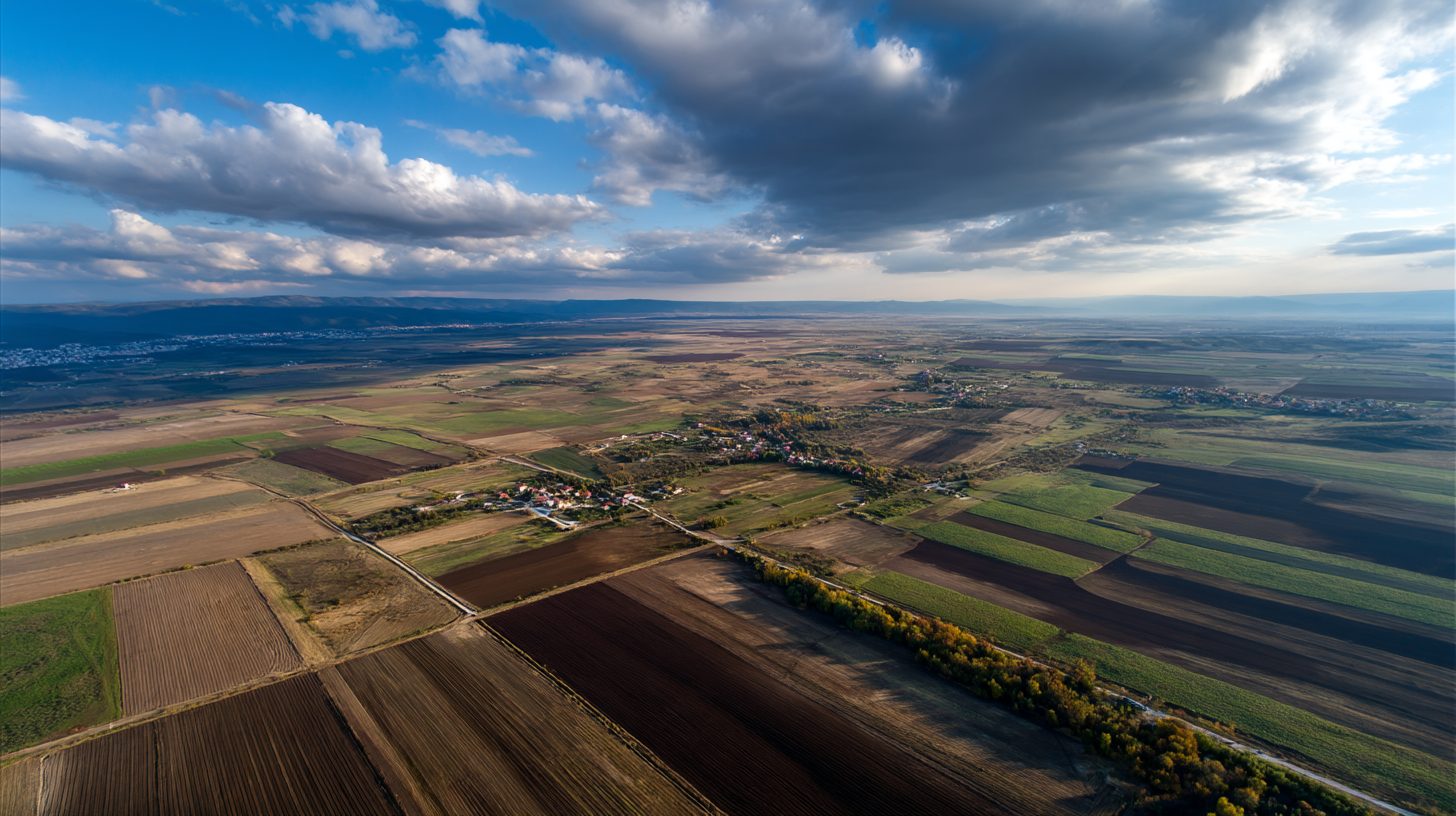
A Guide to Romanian Real Estate Market Cycles
Understanding the Romanian real estate market cycles is essential for investors, homeowners, and industry stakeholders looking to navigate the dynamic landscape of real estate in Romania. This guide will provide an in-depth analysis of the trends, challenges, and opportunities prevalent in the Romanian real estate market cycles.
The Romanian real estate market has undergone significant transformations over the past few decades, influenced by economic reforms, demographic changes, and global market trends. As a result, the market has displayed cyclical behavior, characterized by periods of expansion, peak performance, contraction, and recovery. Recognition of these cycles is crucial for making informed decisions whether you are planning to invest, buy a home, or sell an asset.
Historical Overview
In order to comprehend the Romanian real estate market cycles, one must consider the historical context. The market has experienced various phases since the fall of communism in 1989, with rapid transformation during the early 2000s as foreign investments surged. The 2008 global financial crisis, however, led to a significant downturn, which ultimately paved the way for the more robust recovery seen in recent years.
The pre-crisis boom saw an influx of foreign investments fueled by increased consumer confidence and access to financing. Property prices surged, particularly in urban centers like Bucharest, Cluj-Napoca, and Timișoara. Following the financial crisis, the market faced a period of stagnation, with falling prices and a dramatic slump in transaction volumes. Investors and builders pulled back, leading to a significant oversupply of unsold properties.
The subsequent recovery phase has revealed a more resilient market characterized by a stabilizing economy, improved access to financing, and a growing demand for residential and commercial properties. This recovery phase is evidence of the cyclical nature of the Romanian real estate market and highlights the importance of understanding the indicators that propel these movements.
Identifying Market Cycles
Romanian real estate market cycles can be broadly categorized into four distinct phases: expansion, peak, contraction, and recovery. Understanding these phases can help individuals and organizations position themselves for optimal outcomes.
1. Expansion:
During the expansion phase, the Romanian economy exhibits strong growth, resulting in increased consumer confidence and demand for real estate. Factors such as low-interest rates, favorable lending conditions, and rising incomes contribute to heightened buying activity. Bubbles may form as property values skyrocket due to excessive speculative investments.
Indicators of expansion include rising property prices, increased construction activity, and growing rental rates. Real estate investors may see significant returns during this phase. Nonetheless, caution is advisable, as prices may become unsustainable and lead to a potential downturn.
2. Peak:
The peak phase is marked by the saturation of the market. Property prices reach their highest point, and demand begins to level off. Speculative investment may result in a market correction as buyers reconsider their purchases. Transactions may also decline as fewer buyers are willing to enter the market at these high price levels.
Indicators of this phase include a slowdown in sales activity, increasing inventory levels, and rising days on market. In this situation, investors should evaluate their current holdings carefully and consider whether to divest before potential variables negatively influence property values.
3. Contraction:
The contraction phase sees a clear decline in the real estate market. Economic factors such as rising interest rates, tightening credit, or external economic shocks can contribute to this phase. As consumer confidence wanes, demand decreases substantially leading to falling property prices and increasing vacancy rates in rental units.
Investors may face challenges, as properties may become underperforming assets. In this environment, prudent asset management is critical. Investors should focus on enhancing property appeal, reducing operating costs, or exploring alternative uses for their real estate holdings.
4. Recovery:
The recovery phase marks the beginning of renewed economic growth. Developer activity resumes, and buyer confidence gradually returns as market conditions stabilize. This phase often starts with lower prices and a normalized supply-demand dynamic.
Indicators of recovery include stability in property prices, an uptick in transactions, and gradual rent increases. Investors may find opportunities to acquire undervalued properties and reposition them for future growth as the market strengthens.
Key Factors Influencing Romanian Real Estate Market Cycles
Several fundamental factors can influence Romanian real estate market cycles. Understanding these elements is pivotal for stakeholders looking to align their strategies with market dynamics.
1. Economic Climate:
The overall economic environment significantly impacts the real estate sector. Economic indicators such as GDP growth, inflation rates, employment levels, and consumer spending patterns can all affect demand for real estate.
2. Interest Rates:
Interest rates play a crucial role in financing real estate investments. Lower rates tend to stimulate borrowing and boost demand, while higher rates may deter potential buyers making real estate less attractive.
3. Demographics:
Demographic trends are drivers of demand in the real estate market. Population growth, urbanization, migration patterns, and changes in household composition all influence housing demand.
4. Government Regulations:
Policies, tax incentives, and regulatory frameworks can play a pivotal role in shaping market dynamics. Changes in taxation or housing policies can either stimulate or obstruct growth in the real estate sector, influencing investment decisions.
5. Technological Advancements:
The modernization of technology in the real estate sector, such as digital transactions, property management software, and online marketplaces, can also affect market cycles by improving efficiency and transparency.
Navigating the Romanian Real Estate Market Cycles
Understanding the cyclical nature of the Romanian real estate market is essential for successful navigation. Here are some strategic tips for investors looking to take advantage of this inherent volatility:
1. Research and Analysis:
Staying informed with thorough market research can help investors identify market cycles and react accordingly. Utilize various sources, including market reports, economic forecasts, and insights from industry experts.
2. Diversification:
To mitigate risk exposure, investors should consider diversifying their portfolios across different property types (residential, commercial, or industrial) and geographic locations within Romania. A well-diversified portfolio can weather market fluctuations more effectively.
3. Timing and Strategy Adjustments:
Investors must keep a close eye on market trends and indicators during expansion and contraction phases to adjust their strategies accordingly. This may mean taking advantage of favorable buying conditions or strategically divesting during peaks.
4. Building Relationships:
Networking with industry professionals, including real estate agents, property managers, and financial advisors, can provide insights and enable strategic collaboration, enhancing the likelihood of achieving favorable outcomes.
5. Long-term Perspective:
While market cycles present opportunities for short-term gains, successful real estate investment often relies on maintaining a long-term perspective. Holding onto properties through downturns can yield substantial rewards when the market ultimately rebounds.
In conclusion, the Romanian real estate market cycles are an essential aspect of understanding the intricacies of the sector. By recognizing and analyzing market phases—expansion, peak, contraction, and recovery—investors and stakeholders can make informed decisions that align with their financial goals. By considering critical influencing factors and employing strategic approaches, individuals and organizations can navigate the complexities of the Romanian real estate market effectively, positioning themselves for success in this dynamic landscape.
Interested in Land Investment in Romania?
We specialize in high-yield land and property opportunities for serious investors.
VIEW OUR CURRENT PORTFOLIOSecure your investment with Land For Investors.

Published: April 4, 2025