

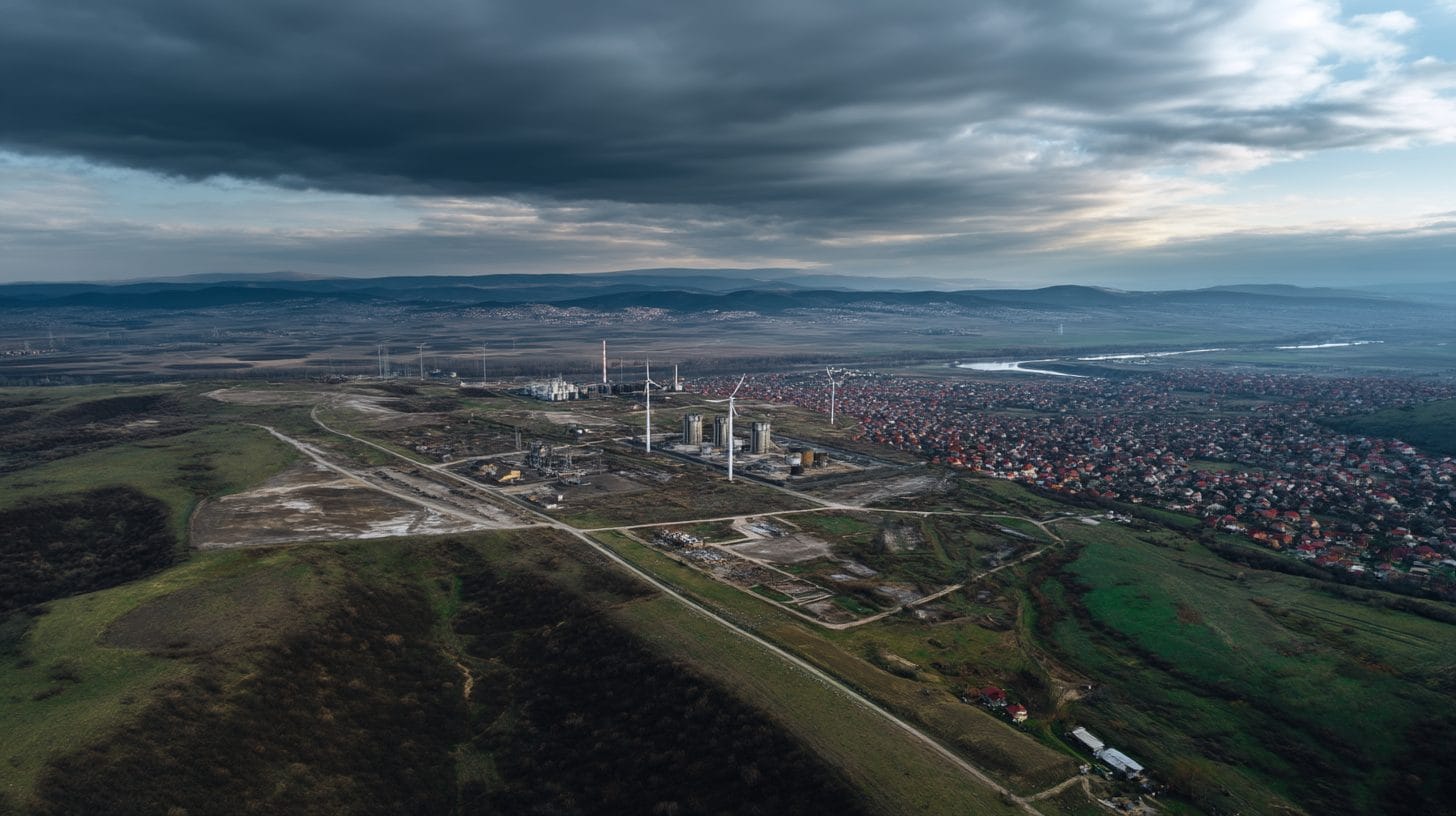
A Guide to Evaluating the Pros and Cons of Renovating Versus Rebuilding in Bucharest
Bucharest, the vibrant capital of Romania, is a city teeming with history, culture, and architectural diversity. As urban life evolves and property values increase, many property owners face the critical decision of whether to renovate existing buildings or opt for a complete rebuild. The discussion of renovate vs rebuild Bucharest is not just an architectural or financial choice; it also reflects broader social, environmental, and community considerations. This extensive guide aims to provide a comprehensive framework for evaluating the pros and cons of both options, enabling property owners to make informed decisions that align with their long-term goals.
Understanding Renovation in the Context of Bucharest
Renovation involves upgrading and modernizing existing structures to improve functionality, aesthetics, and overall value. Bucharest boasts a rich tapestry of architectural styles, from neoclassical buildings to Soviet-era constructs, making renovation a viable and often preferable option for many property owners. Furthermore, the practice of renovation plays a critical role in maintaining the city’s historical character and preserving its cultural heritage.
Pros of Renovating
1. Historical Preservation: One of the most significant advantages of renovation in Bucharest is the opportunity to preserve historical buildings that hold cultural value. Rehabilitating older structures helps maintain the city’s identity and character, which is essential for attracting tourism and fostering local pride.
2. Cost-Effectiveness: In many instances, renovation can be more cost-effective compared to rebuilding. Renovating an existing structure may involve less expenditure than starting from scratch, particularly in terms of labor and material costs. Additionally, existing infrastructures such as plumbing, electrical systems, and foundations may be salvageable, reducing overall expenses.
3. Faster Project Completion: Renovation projects generally have shorter timelines than rebuilds since structural elements are already in place. This means less disruption to residents and businesses and quicker occupancy post-project.
4. Sustainability: Renovating existing structures aligns with sustainable practices by minimizing waste and reducing the carbon footprint associated with demolishing buildings. Retaining the original structure conserves resources and promotes environmentally responsible practices.
5. Potential for Increased Property Value: Well-executed renovations can significantly enhance property value in an urban environment like Bucharest, where demand for modern amenities and stylish living spaces is steadily increasing.
Cons of Renovating
1. Structural Limitations: Renovating can sometimes be limited by the structure’s existing condition. If the foundations or framing are compromised, extensive repairs may outweigh the benefits of renovation.
2. Strict Regulations: Bucharest, like many cities with historical architecture, has regulations governing renovations, particularly for buildings within designated heritage zones. Navigating these regulations can be time-consuming and may restrict a property owner’s ability to fully realize their vision for the project.
3. Unexpected Costs: Renovation projects can often reveal unforeseen issues, such as outdated wiring or structural deficiencies, which can lead to unexpected expenses. This unpredictability can complicate budget planning.
4. Compatibility with Modern Needs: Older buildings may not be ideally suited for contemporary living standards and preferences, potentially necessitating extensive modifications that could compromise the building’s character.
Evaluating Rebuilding in the Bucharest Context
Rebuilding entails constructing a new structure from the ground up, which may be appealing in contexts where the existing building is beyond repair or no longer meets the needs of its occupants.
Pros of Rebuilding
1. Design Freedom: Rebuilding offers complete creative control, allowing property owners to design a structure that suits their lifestyle and specific needs. This freedom is particularly valuable in Bucharest, where blending modern design with functionality can offer a unique appeal.
2. Compliance with Modern Standards: New constructions comply with current building codes and modern safety standards. This ensures that the building is energy-efficient and equipped with contemporary technologies and amenities.
3. Efficient Use of Space: A newly constructed building can be designed to make the most efficient use of available space, minimizing wastage and optimizing for both residential and commercial needs.
4. Long-Term Maintenance: A new structure generally requires fewer repairs and maintenance in the short term, leading to potentially lower operating costs over time.
5. Increased Market Appeal: In a city with a rising demand for modern housing, new constructions can attract buyers willing to pay a premium for updated amenities.
Cons of Rebuilding
1. High Initial Costs: The costs incurred from land clearing, permits, and new construction materials can be substantial. Overall expenses may overwhelm the budget, especially for small property owners.
2. Loss of Historical Character: Rebuilding often means losing the historical and cultural elements that older buildings offer. For property owners in Bucharest, the absence of these elements may detract from the overall charm and ambiance of the neighborhood.
3. Project Duration: Constructing a new building can take considerable time, leading to ongoing disruption for residents and local businesses. Depending on the scope of the project, it may also delay occupancy.
4. Environmental Impact: The environmental consequences of demolishing buildings can be significant, increasing the carbon footprint and generating waste that must be carefully managed.
5. Market Uncertainty: In a rapidly changing real estate market, the financial return on investment for a new construction may be uncertain. Market trends can fluctuate, affecting potential valuations upon completion.
Conclusion
In summary, the decision to renovate versus rebuild in Bucharest is a multifaceted one that requires careful consideration of various factors, including financial, historical, and environmental implications. While renovation can offer the benefits of preserving cultural heritage and potentially lower costs, rebuilding presents opportunities for modern design and compliance with current standards.
As Bucharest continues to evolve as a dynamic urban center, property owners must weigh their options—keeping in mind their long-term goals, the character of their neighborhoods, and the overarching desire to elevate the quality of life for residents and visitors alike. Ultimately, whether one chooses to renovate or rebuild, making a thorough assessment of the pros and cons will ensure that the decision fosters not only individual success but also contributes positively to the historic and cultural fabric of Bucharest.
Interested in Land Investment in Romania?
We specialize in high-yield land and property opportunities for serious investors.
VIEW OUR CURRENT PORTFOLIOSecure your investment with Land For Investors.

Published: February 19, 2025