

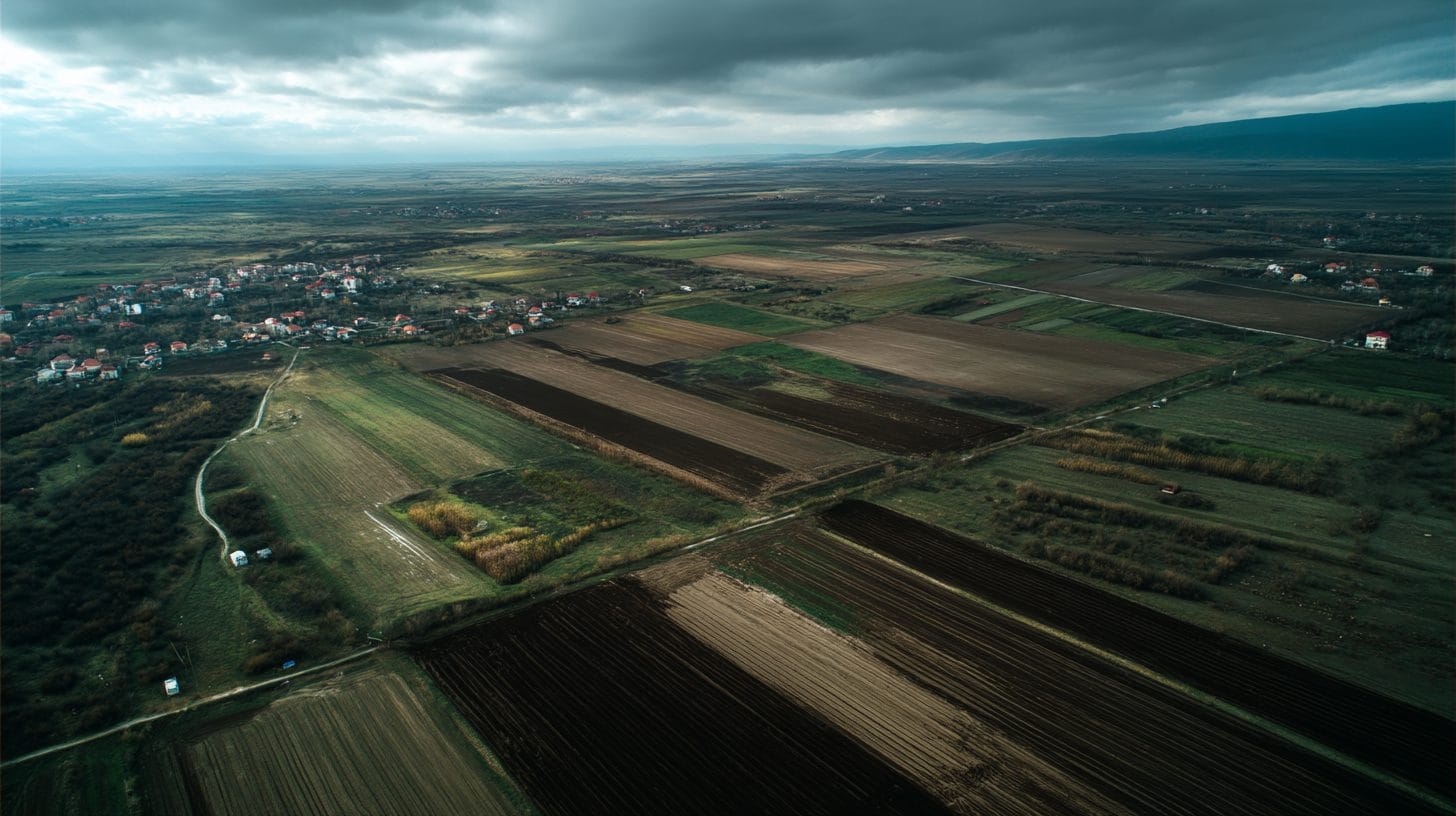
A Guide to Evaluating the Impact of Digital Transformation on Bragadiru, Ilfov
In recent years, the phenomenon of digital transformation has profoundly reshaped the landscape of businesses and communities across the globe. This paradigm shift is especially noticeable in Bragadiru, a burgeoning town situated in Ilfov County, Romania. As the community strives for economic growth and improved quality of life for its residents, understanding the digital transformation impact Bragadiru Ilfov has become essential. This guide aims to provide a comprehensive overview of how digital transformation is influencing Bragadiru and offer valuable insights into evaluating its effects on local businesses, government services, and the quality of life for residents.
Digital Transformation Defined
Before delving into the specific impact of digital transformation in Bragadiru, it’s crucial to understand what digital transformation entails. It goes beyond merely adopting new technologies; it is about reimagining how organizations operate, deliver value to customers, and engage with stakeholders. This process often includes streamlining operations through automation, enhancing customer experiences using digital interfaces, and leveraging data analytics for informed decision-making.
The Business Landscape in Bragadiru
Bragadiru, which boasts a population of approximately 15,000 residents, is characterized by a mix of industrial, commercial, and residential areas. While the town is not as economically powerful as Bucharest, its proximity to the capital city offers remarkable potential for growth. Local businesses in Bragadiru have begun to embrace digital transformation as a strategy to enhance their competitiveness in the marketplace. By evaluating this impact, stakeholders can better understand how digital tools are reshaping their operations, driving profitability, and creating job opportunities.
Improvements in Customer Engagement
One of the most visible impacts of digital transformation in Bragadiru is the enhancement of customer engagement among local businesses. Many enterprises are now utilizing websites, mobile apps, and social media platforms to interact with customers. This shift has proven beneficial for businesses of all sizes—from small family-run shops to larger companies. Businesses are also harnessing Customer Relationship Management (CRM) systems to streamline interactions and personalize services, thus forging stronger relationships with their clientele. Evaluating these changes can involve analyzing customer feedback, engagement metrics, and sales data both before and after the implementation of digital strategies.
Operational Efficiency
As businesses increasingly adopt digital solutions, operational efficiency has also improved significantly in Bragadiru. Automation of repetitive tasks such as inventory management, invoicing, and payroll processing has allowed companies to reallocate human resources towards more strategic initiatives. Analytical tools that offer insights into business performance enable better decision-making and reduce overhead costs. Evaluators should look at productivity metrics, employee satisfaction ratings, and overall cost savings to assess the operational impact of digital transformation.
Local Government Services and E-Governance
In addition to private enterprises, digital transformation has also left an indelible mark on local government services in Bragadiru. The integration of e-governance initiatives allows residents to access services more conveniently, fostering transparency and efficiency. Residents can apply for permits, pay taxes, or report issues like street maintenance through online platforms, saving time and enhancing satisfaction. Evaluating the digital transformation impact on local government requires an analysis of user adoption rates, service response times, and overall citizen satisfaction surveys.
Education and Skill Development
Digital transformation is not only confined to businesses and government but also extends into educational institutions in Bragadiru. Schools are beginning to incorporate technology into their curricula, creating new avenues for learning. Digital tools open doors for students and teachers to explore innovative teaching methodologies. Evaluation of digital transformation’s impact on education can focus on student performance metrics, access to digital resources, and feedback from teachers and parents regarding technology integration in classrooms.
Socio-Economic Considerations
The broader socio-economic impact of digital transformation on Bragadiru is an essential area for exploration. As local businesses and institutions adopt digital tools, employment patterns may shift. While some jobs may become obsolete, new roles that require digital skills may emerge. Training programs offered by local institutions can help residents upskill and prepare for the new job landscape. Evaluation of this impact should include an analysis of labor market trends, skill gaps, and the effectiveness of local training programs designed to enhance digital literacy among residents.
Challenges and Barriers to Success
While the opportunities provided by digital transformation are numerous, there are also challenges that stakeholders in Bragadiru must contend with. Issues such as the digital divide—where certain segments of the population may lack access to technology or high-speed internet—can impede progress. Additionally, an adequate framework for cybersecurity is essential to protect sensitive data and maintain trust. Evaluation efforts should include examining the barriers to digital adoption and efforts aimed at mitigating these challenges, such as initiatives to improve digital infrastructure or community outreach programs that promote digital literacy.
Future Outlook
As Bragadiru continues its journey toward comprehensive digital transformation, the long-term implications for both economic growth and quality of life are promising. Stakeholders must remain committed to evaluating the impact of these changes regularly. Continuous monitoring allows for iterative improvements and ensures that everyone in the community can benefit from digital advancements. The role of local government in fostering a supportive environment for technological innovation and ensuring that residents are equipped with the skills they need cannot be overstated.
Conclusion
Digital transformation impacts every facet of life in Bragadiru, Ilfov, from business operations and government services to education and community engagement. To fully harness the benefits of this transformation, it is crucial for local stakeholders to be proactive in evaluating its effects. By understanding how digital tools and initiatives impact economic dynamics, service delivery, and social well-being, Bragadiru can pave the way for sustainable progress that enhances economic vitality and enriches the lives of its residents. Engaging in thorough assessments will ensure that Bragadiru remains a vibrant part of the Ilfov landscape while adapting to the evolving demands of a digital world.
Interested in Land Investment in Romania?
We specialize in high-yield land and property opportunities for serious investors.
VIEW OUR CURRENT PORTFOLIOSecure your investment with Land For Investors.

Published: February 26, 2025