

A Guide to Evaluating Land for Residential Development in Jilava, Ilfov
As an aspiring property developer or real estate investor, understanding the critical steps involved in land evaluation is paramount, particularly in areas like Jilava in Ilfov County. Jilava, located just a few kilometers from Bucharest, Romania’s bustling capital, offers a unique blend of suburban tranquility and urban accessibility, making it an attractive destination for residential development. However, before embarking on any construction project, it is essential to conduct a thorough land evaluation to ensure the site’s viability for residential purposes.
Land evaluation Jilava Ilfov is a comprehensive process, encompassing various factors that impact the suitability and profitability of a residential development project. This guide outlines key considerations and steps in evaluating land for residential development in Jilava, ensuring that you have the insights necessary to make informed decisions.
Understanding Zoning Regulations
One of the initial steps in land evaluation in Jilava, Ilfov, is to familiarize yourself with local zoning regulations. Zoning laws dictate how land can be used, including the types of structures that can be built, the density of development, and the environmental considerations that must be addressed. In Jilava, zoning plans are established by the local municipality, and it is crucial to review these plans to determine whether the intended residential project complies with local regulations. Engaging with local authorities or a real estate lawyer with knowledge of zoning laws is advisable to navigate any complexities associated with these regulations.
Accessibility and Infrastructure
When evaluating land for residential development, one must consider accessibility and the existing infrastructure in the surrounding area. Jilava benefits from a strategic location with excellent connectivity to Bucharest via major roadways and public transport systems. Assess the proximity of the site to key transport links, such as highways, bus stops, and train stations, which will affect residents’ convenience and commuting patterns.
Additionally, infrastructure elements such as water supply, sewage systems, electricity, and telecommunications are crucial for any residential development. Confirming that these essential services are available or can be feasibly integrated into your development plan will enhance the site’s viability and appeal to potential buyers or renters.
Topography and Environmental Considerations
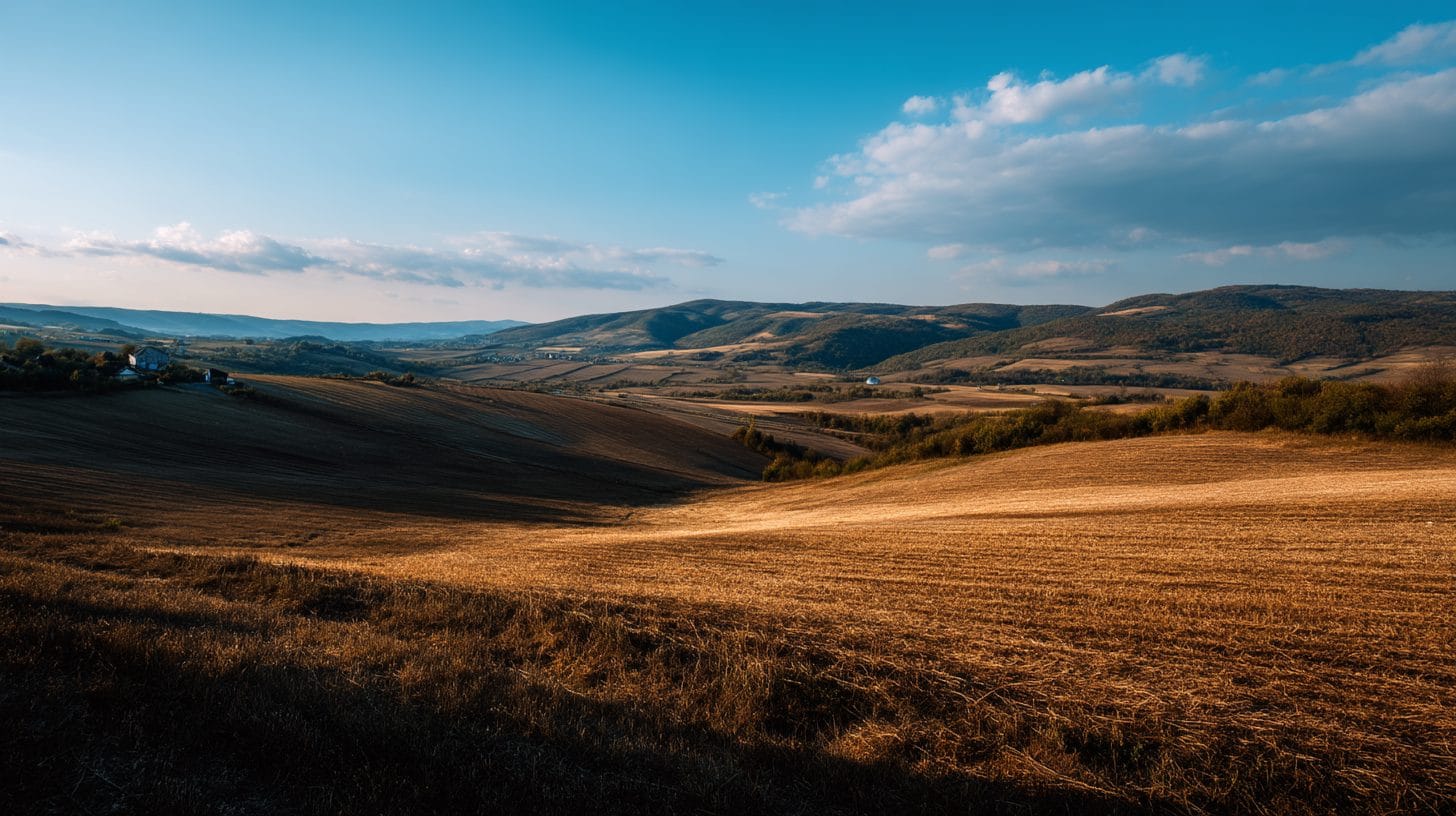
The physical characteristics of the land play a significant role in evaluating its suitability for residential development. Assess the topography of the property, including its elevation, drainage patterns, and soil quality. A flat or gently sloping site is generally more desirable for construction compared to steep or heavily sloped areas. Additionally, understanding the soil type is critical as some soil types may require special foundations or extensive preparation before building.
Environmental considerations, such as proximity to natural reserves, flood zones, or protected areas, also influence land evaluation in Jilava. Conducting an environmental impact assessment may be necessary to determine the potential implications of your development on local ecosystems, which can also aid in obtaining necessary permits from authorities.
Market Analysis and Demand
A thorough evaluation of the real estate market in Jilava, Ilfov, is essential to assess the demand for residential properties. Analyze current trends in home sales, rental prices, and demographic patterns in the area. Evaluating the competition is also important; understand what existing residential projects are nearby, their pricing, and the amenities they offer.
Consider reaching out to real estate agents or conducting surveys to gather insights on what potential buyers desire in a residential property. The data collected will aid in shaping your development strategy to align with market demand and increase the likelihood of achieving a desirable return on investment.
Legal Due Diligence
Completing legal due diligence is a fundamental part of land evaluation in Jilava. This involves an extensive review of the property’s title, ensuring that there are no liens, disputes, or encumbrances that might affect ownership or development rights. Engaging a qualified attorney or real estate professional to conduct this evaluation can mitigate the risk of future legal complications.
Additionally, understanding any restrictions related to the land, such as easements or covenants, is critical. Before making any commitments, ensure that land use is free from controversies that could compromise your residential development plans.
Community Engagement and Buyer Preference
Understanding the community’s character and the lifestyle it promotes can significantly impact the success of a residential development project. Engaging with local residents and stakeholders can provide valuable insights into the community’s needs, preferences, and concerns. A development that complements the existing neighborhood and considers the desires of future residents is more likely to gain acceptance and thrive.
Consider incorporating spaces that promote community interaction, such as parks, recreational centers, and pedestrian pathways. Understanding cultural and recreational preferences of prospective residents will not only inform your design but also enhance the overall attractiveness of your development.
Cost Estimation and Financial Planning
Cost estimation and financial planning are vital components of land evaluation for residential development. Evaluate all potential costs associated with land acquisition, construction, permits, and marketing before moving forward. This analysis will inform your budgeting process and help identify the project’s financial viability.
It is crucial to prepare for unforeseen expenses and delays, which are common in construction projects. Additionally, explore potential financing options available for property development, such as bank loans, partnerships, or investor funding. Comprehensive financial planning will ensure new developments meet projected returns and remain profitable.
Sustainability and Future Growth
As the world shifts toward more sustainable practices, considering sustainability in residential development is not just a trend but a necessity. Evaluate how your development can incorporate eco-friendly materials, energy-efficient designs, and sustainable landscaping practices. Such approaches not only contribute positively to the environment but can also appeal to a growing segment of environmentally conscious buyers.
Also, consider the future growth potential of Jilava and its surrounding areas. Local government initiatives, infrastructure developments, and urban planning projects can significantly influence the value of residential properties. Engaging with local development plans and economic forecasts will inform long-term strategies, helping you anticipate shifts in demand and optimize your land evaluation process.
In conclusion, evaluating land for residential development in Jilava, Ilfov, involves a multifaceted approach encompassing zoning regulations, market analysis, legal due diligence, and community engagement. By meticulously assessing these aspects, aspiring developers can optimize their land evaluation process and foster successful residential projects that meet demand and contribute positively to the community. Engaging professionals and leveraging local knowledge remains vital in navigating the complexities of land evaluation in this dynamic and evolving market. With careful planning and consideration, Jilava can become a thriving neighborhood for future homeowners.
Interested in Land Investment in Romania?
We specialize in high-yield land and property opportunities for serious investors.
VIEW OUR CURRENT PORTFOLIOSecure your investment with Land For Investors.

Published: March 2, 2025