

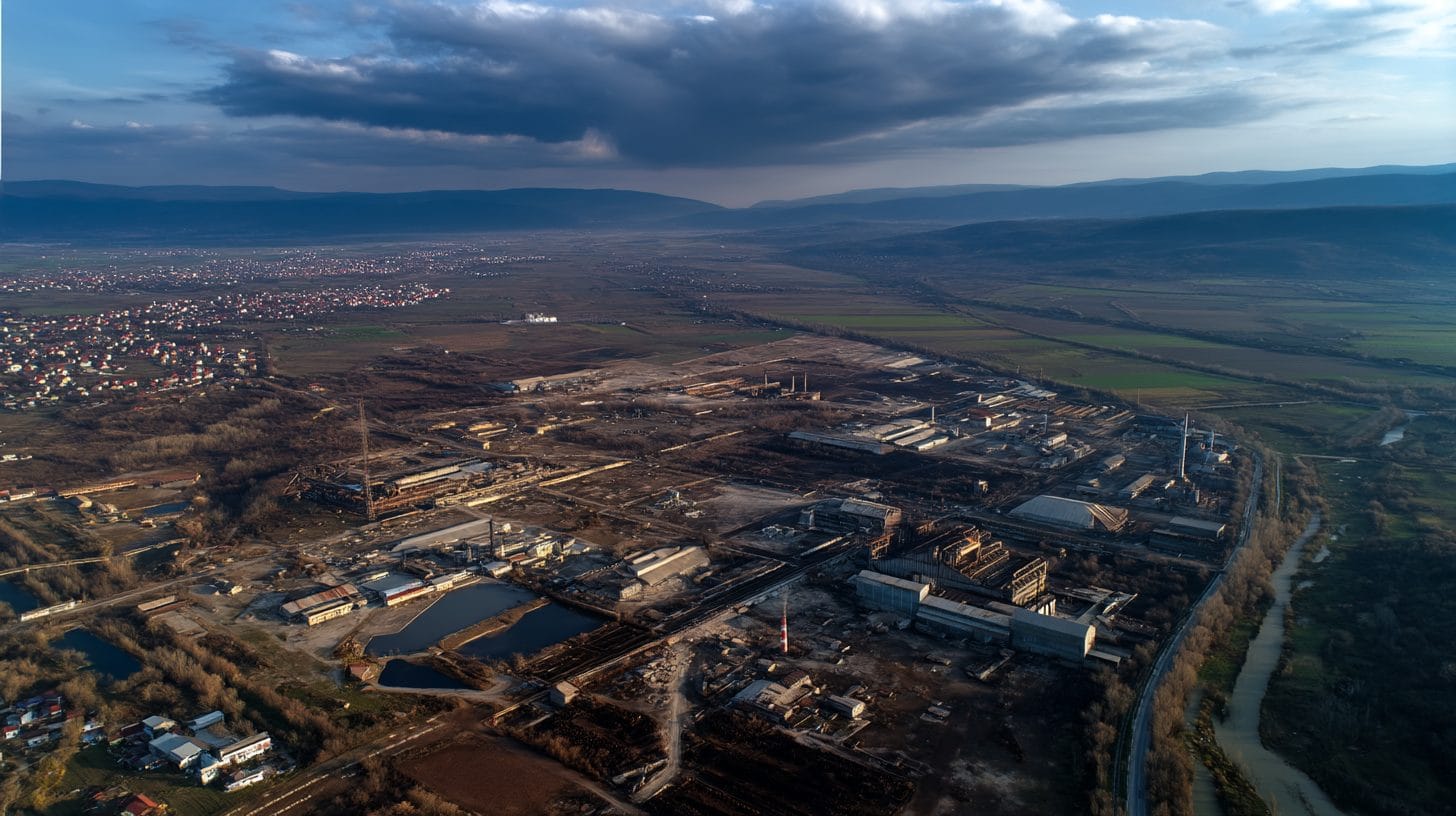
A Guide to Buying Land with Future Infrastructure Projects in Mind on Bucharest’s Ring Road
As real estate continues to evolve, the importance of strategic planning becomes increasingly significant, particularly when it comes to purchasing land. One prime area for potential investment is the Ring Road of Bucharest, Romania’s bustling capital. The Ring Road is a main thoroughfare that encircles the city, connecting various districts and rural areas while facilitating commerce, travel, and even tourism. With future infrastructure developments poised to transform the region, understanding how to effectively buy land is key for investors, developers, and businesses. This guide will explore the essential factors to consider when buying land with future infrastructure projects in mind on Bucharest’s Ring Road.
Understanding the Ring Road’s Rapid Development
Bucharest’s Ring Road has seen substantial improvements in transportation and connectivity over the last decade. As the city expands and urbanizes, the demand for both residential and commercial properties has surged. The Romanian government and private investors continue to strategize funding and executing infrastructure projects that will enhance road systems, public transport, and services along and adjacent to the Ring Road. Consequently, investors must be aware of the future developments that can greatly influence land value and potential profitability.
Conducting Research on Planned Infrastructure Projects
Before investing in land, it is crucial to conduct thorough research on planned infrastructure projects in the region. Check for any official announcements from government agencies regarding road expansions, new highways, public transport upgrades, and amenities such as schools, hospitals, or shopping centers. Simply observing local news and city planning forums can provide valuable insights into future developments along the Bucharest Ring Road. Websites such as the Romanian Ministry of Transport or the Bucharest City Hall can provide further information about upcoming infrastructure projects.
Analyzing Future Growth Trends
The future of Bucharest hinges on its infrastructure. With the ongoing modernization of its transport systems, the Ring Road is poised to become a principal artery for traffic and trade. Thus, assessing growth trends can play a pivotal role in land acquisition strategies. Proximity to roads and junctions that will benefit from future infrastructure projects can substantially increase land value. Analyzing demographic changes, migration patterns, and urban expansion—alongside historical data on property prices—can help investors identify strategically advantageous locations along the Ring Road.
Proximity to Public Transport
As infrastructure progresses, accessibility becomes a key consideration when purchasing land. The Ring Road will likely see enhancements to public transport options, including bus routes, tram lines, and metro connections. Being situated close to these transport links may drastically improve the land’s desirability. Prospective buyers should prioritize properties that boast convenient access to public transport, as this can appeal to both commercial enterprises and residential developers.
Zoning and Land Use Regulations
When contemplating land acquisition along Bucharest’s Ring Road, understanding zoning and land use regulations is critical. Local regulatory frameworks dictate how land can be used in terms of residential, commercial, or mixed-use. Buyers need to familiarize themselves with zoning laws and any zoning plans related to future infrastructure projects, as these regulations can affect the intended use of the property and its potential for long-term appreciation. Engaging with local authorities or acquiring a land use attorney can help navigate these regulations.
Engaging with Local Stakeholders
Building relationships with local stakeholders, including municipal authorities, urban planners, and community groups, can provide valuable insights into the potential impact of future infrastructure projects. Engaging with local stakeholders will help buyers gauge the community’s needs and preferences, ensuring the chosen land aligns with public interests. Furthermore, early cooperation with local authorities may facilitate smoother project approvals for any future development plans on the newly acquired land.
Investing in Quality Infrastructure
Beyond merely considering future infrastructure projects, it is advisable to invest in land that already enjoys quality infrastructure. This includes established transportation networks, utilities, and essential services. Areas with developed infrastructure are less likely to face significant costs associated with new construction or delays in development—as buyers must factor in construction timelines when planning future projects. An established area can also provide immediate benefits, ensuring cash flow while waiting for the rise in land value due to upcoming developments.
Understanding Market Competition
The secondary real estate market around Bucharest’s Ring Road can be competitive, especially in attractive zones projected for growth related to future infrastructure projects. Buyers should monitor price trends and keep an eye out for similar land offers within the targeted area. Understanding the competitive landscape will aid in negotiations and can provide leverage when discussing prices with sellers.
Evaluating Financial Aspects
The financial aspect is instrumental when purchasing land. Aside from the purchase price, investors must also contemplate property taxes, maintenance costs, and the overall cost of development. Buyers should run comprehensive financial projections to ensure that the long-term value of the land, with future infrastructure projects in mind, aligns with their investment goals. Additionally, exploring financing options and grants that may be available for land development related to future infrastructure can provide helpful liquidity.
Long-Term Vision
Above all, prospective investors should focus on their long-term vision when buying land along Bucharest’s Ring Road. Considering the region’s potential for growth driven by future infrastructure projects requires patience and an eye toward the future. Investing in land is not solely about immediate returns; it is about fostering sustainable growth and being part of the city’s evolving landscape. Building this long-term perspective will enhance investment strategy analysis, allowing buyers to make informed decisions that align with a larger vision.
In Conclusion
Buying land with future infrastructure in mind along Bucharest’s Ring Road presents both opportunities and challenges. With careful research, strategic planning, and awareness of local real estate trends, investors can make informed decisions that secure their financial futures. By considering growth potential, connectivity, community impact, and regulatory frameworks, buyers can confidently navigate the emerging landscape of Bucharest’s real estate market. The value of the land lies not only in its current state but also in the transformative projects ahead—making Bucharest’s Ring Road a hotbed of investment potential for years to come.
Interested in Land Investment in Romania?
We specialize in high-yield land and property opportunities for serious investors.
VIEW OUR CURRENT PORTFOLIOSecure your investment with Land For Investors.

Published: March 24, 2025