

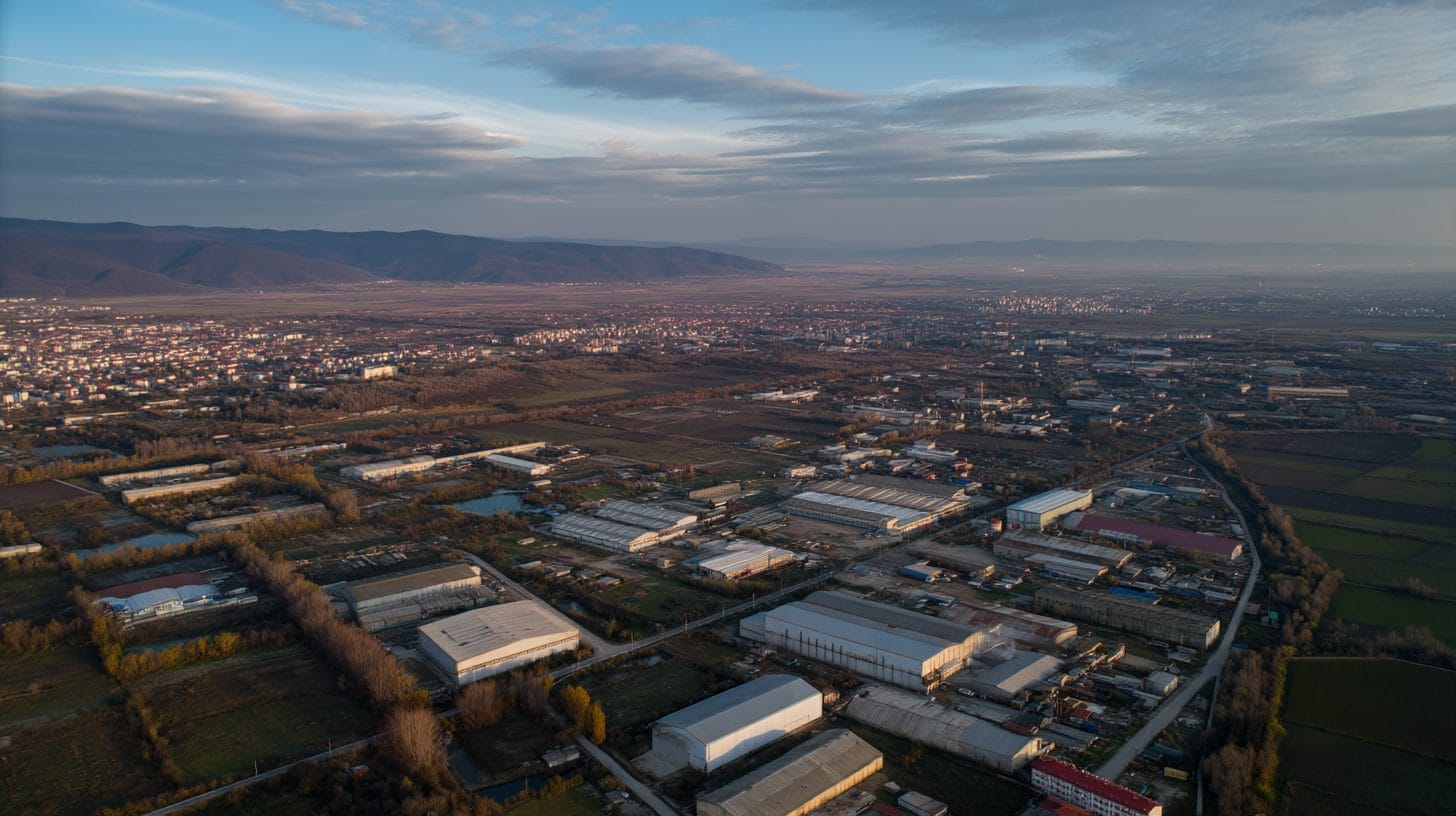
A Guide to Buying Land in Romania with International Buyers in Mind
Investing in real estate is not just a financial decision; it’s a commitment to a geographical and cultural space that requires careful consideration, especially for international buyers looking at land in Romania. Over the past few years, Romania has emerged as a thriving market for land investment, attracting a diverse range of international buyers. This guide aims to equip international buyers with essential information and insights into purchasing land in Romania, ensuring a seamless acquisition process.
Romania: The Land of Opportunities
Romania, located at the crossroads of Central and Eastern Europe, boasts rich natural resources, stunning landscapes, and a historic backdrop that includes medieval castles, fortresses, and vibrant cities such as Bucharest, Cluj-Napoca, and Sibiu. The country offers various types of land, ranging from agricultural plots to residential development sites, making it an attractive option for both personal and investment purposes.
Understanding Local Legislation
Before diving into the land-buying process, it is crucial for international buyers to familiarize themselves with Romanian property laws. Romania’s legal framework regarding property purchases has evolved significantly since joining the European Union in 2007. Today, international buyers can purchase land in Romania, but there are specific regulations they must adhere to.
Foreign individuals and companies can freely buy land, provided they meet certain conditions. For instance, EU citizens can purchase property without any restrictions. However, non-EU citizens can only buy land under a Romanian company – a process that typically requires assistance from a local lawyer. Therefore, it is advisable that international buyers consult with real estate legal experts who understand the nuances of Romanian property laws and tax implications before making any commitments.
Types of Land Available
International buyers will find a variety of land types available in Romania. Understanding these categories is essential for making informed decisions.
1. Agricultural Land: Romania is one of the largest agricultural producers in Europe, largely due to its fertile soil. Farmers and investors looking to enter the agricultural sector may explore plots suitable for crops or livestock.
2. Residential plots: Whether for building a personal home or developing residential units, Romania offers a range of residential properties in both urban and rural areas.
3. Commercial Land: For those looking to invest in commercial real estate, Romania presents excellent opportunities. Buyers can find land designated for business activities, particularly in urban centers that are vibrant for development.
4. Recreational Land: With beautiful landscapes and natural attractions, international buyers may also consider purchasing land for holiday homes, cabins, or developing recreational facilities in scenic locations, such as the Carpathian Mountains or the Black Sea coastline.
5. Industrial Land: Romania’s growing economy opens doors for foreign investments in industrial sectors. Land near key transport links may be appealing for setting up manufacturing plants or distribution centers.
Conducting Due Diligence
Once international buyers have identified the type of land they wish to acquire, conducting due diligence becomes paramount. This process involves verifying the property’s legal status, zoning regulations, land use restrictions, and environmental considerations.
It is advisable for buyers to access the Land Registry (Oficiul de Cadastru și Publicitate Imobiliară) to confirm ownership and any encumbrances on the property. Checking the local municipality’s zoning laws ensures that the intended use of the land complies with local regulations.
International buyers should also engage professionals such as real estate agents, lawyers, and surveyors with experience in dealing with foreign investments. Their expertise can help navigate any challenges and provide insights on property valuations, ensuring buyers receive a fair market price.
The Purchasing Process
The actual process of purchasing land in Romania may vary depending on the property type and specific seller arrangements. However, general steps usually include the following:
1. Making an Offer: Once international buyers have found their desired land, they can formally present an offer to the seller. This may involve negotiation on the price.
2. Sale Agreement: If both parties agree on terms, a preliminary sale agreement (promisiune de vânzare) is drawn up, outlining the rights and obligations of each party until the final contract is executed.
3. Notarization: Romanian law mandates that real estate transactions must be notarized. A public notary (notar public) plays a crucial role in finalizing the transaction, ensuring that all documents are in order and executing the final sale contract (contract de vânzare-cumpărare).
4. Registration: Following the notarization, the transfer of ownership must be registered in the Land Registry. This step officially recognizes the buyer as the new owner of the land.
Financing Considerations
Financing options for international buyers looking for land in Romania can vary. Many international buyers opt to pay in cash; however, financing through local banks is also a possibility. Buyers should explore mortgage options by consulting with reputable banks or financial institutions experienced in working with foreign investors.
Keep in mind that banking regulations can differ based on nationality, so it is essential to gather all necessary documentation beforehand. A clear understanding of any currency exchange implications is also vital for international transactions, particularly for buyers coming from countries with different currencies.
The Role of Real Estate Agents
Having a knowledgeable real estate agent by your side can significantly simplify the process of buying land in Romania. Look for agents with proven experience working with international buyers, as they will understand the unique concerns and requirements such investors typically have.
An effective real estate agent will provide valuable insights into market trends, pricing, and available land as well as facilitate communication between the buyer, seller, and legal representatives. They can also help build an effective negotiation strategy tailored to the Romanian context.
Cultural Considerations
Cultural awareness can enhance the buyer’s experience when purchasing land in Romania. Understanding local customs, etiquette, and business practices can evoke goodwill and foster productive relationships with sellers and local professionals. Building a rapport and trust within the community may also open doors for future investments.
International buyers should also be prepared to engage in discussions regarding property values and local investment ethics, reflecting a genuine interest in Romania’s heritage and economic landscape.
The Future of Land Investment in Romania
As Romania continues to develop and position itself positively within the European market, the future of land investments appears bright. The country boasts a young, tech-savvy population, a growing economy, and increasing foreign interest, all of which contribute to a robust property market.
Investors who approach the Romanian land market with diligent planning, local knowledge, and cultural sensitivity will find themselves well-positioned to take advantage of opportunities that this vibrant nation offers.
In conclusion, international buyers looking to invest in land in Romania should conduct thorough research, seek professional assistance, and engage with local customs throughout the process. By doing so, foreign investors can unlock the potential surrounding land acquisition in this beautiful and promising European nation.
Interested in Land Investment in Romania?
We specialize in high-yield land and property opportunities for serious investors.
VIEW OUR CURRENT PORTFOLIOSecure your investment with Land For Investors.

Published: April 12, 2025