

A Guide to Buying Agricultural Land Near Bucharest
As the demand for agricultural products continues to rise alongside the need for sustainable farming practices, many potential investors are looking towards agricultural land as a lucrative investment opportunity. If you’re considering agricultural land buying Bucharest, you might be on a path that not only supports your financial objectives but also fosters local food production and sustainability. This guide presents an in-depth exploration of what to consider when purchasing agricultural land near Romania’s bustling capital, Bucharest.
Understanding the Agricultural Landscape around Bucharest
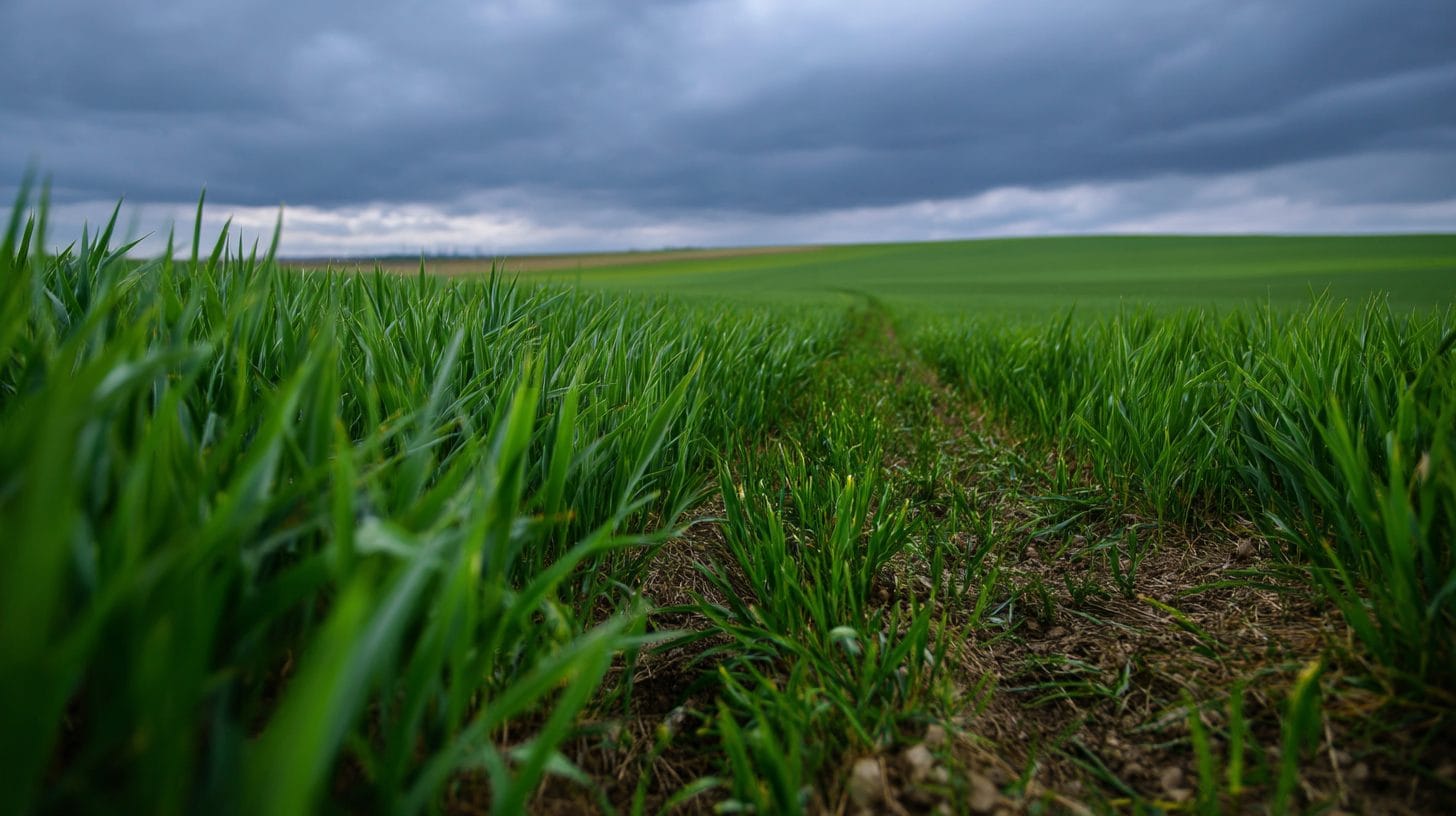
Bucharest, the capital of Romania, is ideally located near fertile agricultural land that provides various opportunities for cultivation. The surrounding areas, including Ilfov County and parts of Prahova and Giurgiu counties, are known for their rich soil, favorable climate, and established farming communities. When considering agricultural land buying Bucharest, understanding the local agricultural landscape is crucial.
Regional characteristics, soil quality, climate, and proximity to markets are all factors that contribute to the viability of agricultural ventures. The richness of the soil can vary, with certain regions offering higher fertility and lower levels of contaminants. Potential landbuyers should conduct thorough soil testing and research to ensure that their investments align with their agricultural goals.
Legal Aspects of Buying Agricultural Land in Romania
Navigating the legal maze of purchasing agricultural land can be complex, especially for foreign investors. Romanian law requires that agricultural land can only be purchased by Romanian citizens or businesses. However, there are exceptions for EU citizens who have residency in Romania or who set up a business entity in the country.
Before engaging in any land transaction, it’s vital to seek legal counsel specializing in Romanian real estate and agricultural laws. A professional can help you navigate the specifics, including property rights, zoning regulations, and any land use restrictions that may apply. Additionally, you’ll need to ensure that all legal documents are thoroughly vetted to avoid any potentially costly oversights later on.
Assessing the Land and Its Potential
Once you’ve determined the legal requirements, the next step in your agricultural land buying Bucharest adventure is to assess the land itself. Various factors can affect your decision, ranging from accessibility to specific agricultural needs.
1. Accessibility: The land’s location in relation to major transportation networks is vital. Proximity to roads, railways, and markets can enhance the viability of your agricultural operations. Accessibility will determine logistics and distribution costs, which directly influence your overall profitability.
2. Topography: Evaluate the land’s topographical features. Flat or gently rolling land is usually more desirable for most types of agriculture. Steeper slopes may pose challenges but could also offer unique opportunities for specific crops like grapes or berries.
3. Water Supply: Adequate water availability is critical for agricultural success. Look for land that has access to reliable water sources, whether that’s groundwater, surface water, or through irrigation systems. Investigating the historical water supply and usage on the property can provide insights into its agricultural viability.
4. Crop Viability: Consider what types of crops you intend to grow. Certain lands may be more suitable for specific types of crops based on soil composition, climate, and local agricultural practices. Research regional successes to inform your crop planning.
Exploring Financing Options
Financing options are another crucial element to consider when embarking on agricultural land buying Bucharest. Traditional bank loans are often available, but an alternative option is to explore grants and subsidies aimed at agricultural development. The Romanian government frequently provides support to new farmers and agricultural endeavors, particularly those focused on sustainable practices or innovative farming technologies.
Investors interested in agricultural ventures could also engage with cluster initiatives or networks focused on promoting local agricultural production. These often provide strategic advice, networking opportunities, and access to financial resources.
Creating a Business Plan
After securing financing and choosing the right piece of agricultural land, the next step is to formulate a comprehensive business plan. Your plan should lay out your vision for the land along with actionable strategies for achieving your agricultural goals.
A detailed business plan should incorporate:
1. Market Analysis: Understand the demand and supply dynamics of your chosen crops. Analyzing local market opportunities and potential export channels will help gauge profitability.
2. Operational Framework: Document your farming operations, including crop rotation strategies, equipment needs, labor requirements, and technology integration.
3. Financial Projections: Create a budget outlining expected expenses, including land maintenance, seeds, equipment, and labor costs, alongside revenue forecasts based on market research.
4. Sustainability Practices: Incorporate sustainable farming practices to enhance soil health, increase biodiversity, and promote environmental stewardship—attributes that are increasingly becoming positive markers for investors.
Networking with Local Farmers and Agricultural Institutions
Building relationships within the local agricultural community is vital for success when it comes to agricultural land buying Bucharest. Engaging with established farmers, agricultural cooperatives, and associations can offer invaluable insights into local practices, challenges, and opportunities.
Consider attending agricultural fairs, workshops, and industry events to network and forge connections. Local universities and research institutions focusing on agriculture may also provide resources, advice, and even collaborative opportunities or training sessions.
Cultural Considerations and Local Support
Understanding local customs and the agricultural history of Bucharest and surrounding areas can greatly enhance your integration into the community. Local insights can guide you in crop selection, selling strategies, and labor recruitment. Establishing a rapport with neighbors and participating in community events can foster goodwill and may lead to cooperative endeavors that benefit all parties involved.
Final Thoughts on Agricultural Land Buying Bucharest
Investing in agricultural land near Bucharest can provide rewarding opportunities, but it requires careful planning and thorough research. Consider the various aspects discussed in this guide—from legalities to market analysis, from financing to community engagement. Each step will better equip you to make informed decisions as you navigate the complexities of purchasing agricultural land.
As the agricultural landscape continues to evolve, staying informed on industry trends and developments will further enhance your endeavor. With the right preparation and resourcefulness, your journey into agricultural land buying Bucharest can lead to fruitful outcomes, supporting both your aspirations and the local agricultural community.
Interested in Land Investment in Romania?
We specialize in high-yield land and property opportunities for serious investors.
VIEW OUR CURRENT PORTFOLIOSecure your investment with Land For Investors.

Published: March 13, 2025