

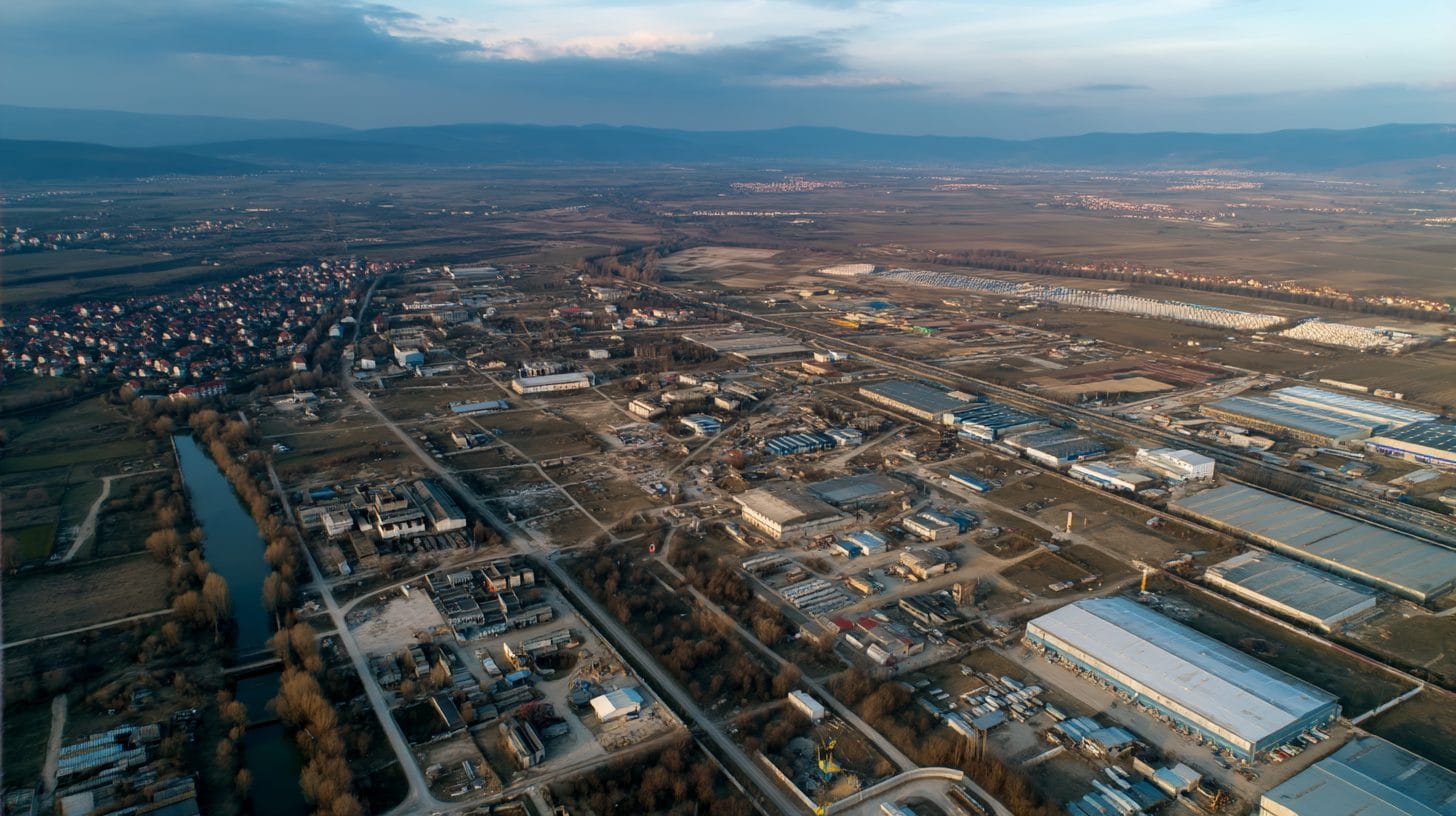
A Guide to Assessing Land Accessibility and Transportation Links Near Bucharest
Bucharest, the vibrant capital of Romania, serves as a key economic and cultural hub in Eastern Europe. As the city continues to expand, the demand for assessing land accessibility near Bucharest has become more imperative for developers, investors, businesses, and policy-makers. Understanding the intricate web of transportation links and evaluating the accessibility of land parcels significantly contributes to informed decision-making and enhances the potential for successful real estate investments.
When evaluating land accessibility around Bucharest, several factors must be taken into consideration. This guide will explore the key elements to assess land accessibility near Bucharest, including transportation infrastructure, the role of public transport, connectivity to major routes, environmental considerations, and strategic development plans.
Understanding Transportation Infrastructure
Transportation infrastructure is a critical component in assessing land accessibility. Bucharest boasts a well-connected network comprising roads, railways, and air transport, making it accessible from various directions. The ring roads, including the Bucharest Beltway (DJ602), provide easy access to peripheral areas. Additionally, major highways such as A1, A2 and A3 connect Bucharest to other key cities and regions.
When assessing land accessibility near Bucharest, it is crucial to consider the condition, capacity, and future plans for major transportation routes. A detailed analysis will identify potential bottlenecks, traffic congestion points, and periods of peak travel that could affect accessibility.
The Role of Public Transport
Public transport systems bolster land accessibility and significantly affect the desirability of residential and commercial developments near Bucharest. The city operates an extensive network comprising buses, trams, metro lines, and taxis that cater to millions of commuters daily.
A thorough evaluation of the public transportation options available near a land parcel is essential. Assess factors such as the proximity of metro stations, bus stops, and tram lines. Additionally, analyzing the frequency and reliability of these services can provide critical insights. Accessibility to public transport not only enhances convenience for users but can also lead to higher property values, making land parcels situated near key transport hubs more attractive for investment.
Connectivity to Major Routes
Proximity to major routes is a vital aspect of assessing land accessibility near Bucharest. Developing land parcels with easy access to major highways and regional thoroughfares will often yield better accessibility for both individuals and logistics. Key routes such as the Autostrada A1, which connects Bucharest to notable cities like Pitești, are essential when evaluating land for industrial or commercial purposes.
Consider also the implications of connectivity on transportation costs, time efficiency, and overall feasibility of operations. Establishing that a plot of land has direct linkages to significant trade corridors will enhance its overall attractiveness in the market.
Environmental Considerations
When assessing land accessibility near Bucharest, it is essential to evaluate environmental considerations that could affect transport routes and access. Proximity to green spaces, wetlands, or other environmentally sensitive areas may potentially pose restrictions on land use and development.
Additionally, assess any potential environmental regulations or impact assessments that may be necessitated due to planned developments. Conducting this due diligence will not only ensure compliance but can also enhance the appeal of development projects by aligning them with sustainability goals and earthy communal values.
Strategic Development Plans and Zoning Regulations
Zoning regulations and local development plans set the framework for land use and can significantly influence land accessibility near Bucharest. It is vital to research the local regulations that pertain to land use policies. Understanding how a local authority envisions development in specific areas will allow stakeholders to align their interests effectively.
Furthermore, engaging with strategic urban planning initiatives and understanding the municipality’s long-term visions for transport infrastructure enhancements can provide clues regarding the future accessibility potential of a land parcel. Local government publications, transport agency reports, and urban development proposals can be useful resources in this regard.
Evaluating Land Accessibility through Data Analytics
In today’s data-driven world, employing geographical information systems (GIS) and mapping tools can enhance the precision of assessing land accessibility near Bucharest. Utilizing these tools allows for a comprehensive analysis of transportation routes, traffic patterns, and other variables such as demographics and urban growth projections.
Data analytics can help create visualizations that clarify accessibility scenarios, allowing developers and investors to make well-informed decisions. This approach can bridge the gap between qualitative factors and quantitative assessments, yielding a more holistic understanding of land accessibility.
Engaging Stakeholders
In the process of assessing land accessibility near Bucharest, engaging with key stakeholders is paramount. Conversations with local authorities, transportation agencies, and community organizations can yield valuable insights and foster collaborative opportunities.
By participating in consultations and attending public meetings, stakeholders can stay abreast of urban development plans and transportation projects that could affect land accessibility. Networking within industry groups and forums can also enhance understanding of broader market trends and best practices for land development.
Conclusion
Assessing land accessibility near Bucharest requires a multifaceted approach that encompasses transportation infrastructure, public transport roles, connectivity to major routes, environmental considerations, zoning regulations, and data analytics. A thorough examination of these factors can significantly influence investment decisions and project feasibility.
Developers and investors looking to maximize their opportunities in the Bucharest region must prioritize accessibility assessments. Ultimately, a well-accessed location not only holds promise for economic gains but also contributes to the growth and vibrancy of the Bucharest metropolitan area. As interest in land development in and around Bucharest continues to grow, those who are diligent in assessing land accessibility will find themselves at a strategic advantage, equipped to navigate the complex dynamics of this evolving urban landscape.
Interested in Land Investment in Romania?
We specialize in high-yield land and property opportunities for serious investors.
VIEW OUR CURRENT PORTFOLIOSecure your investment with Land For Investors.

Published: April 18, 2025