

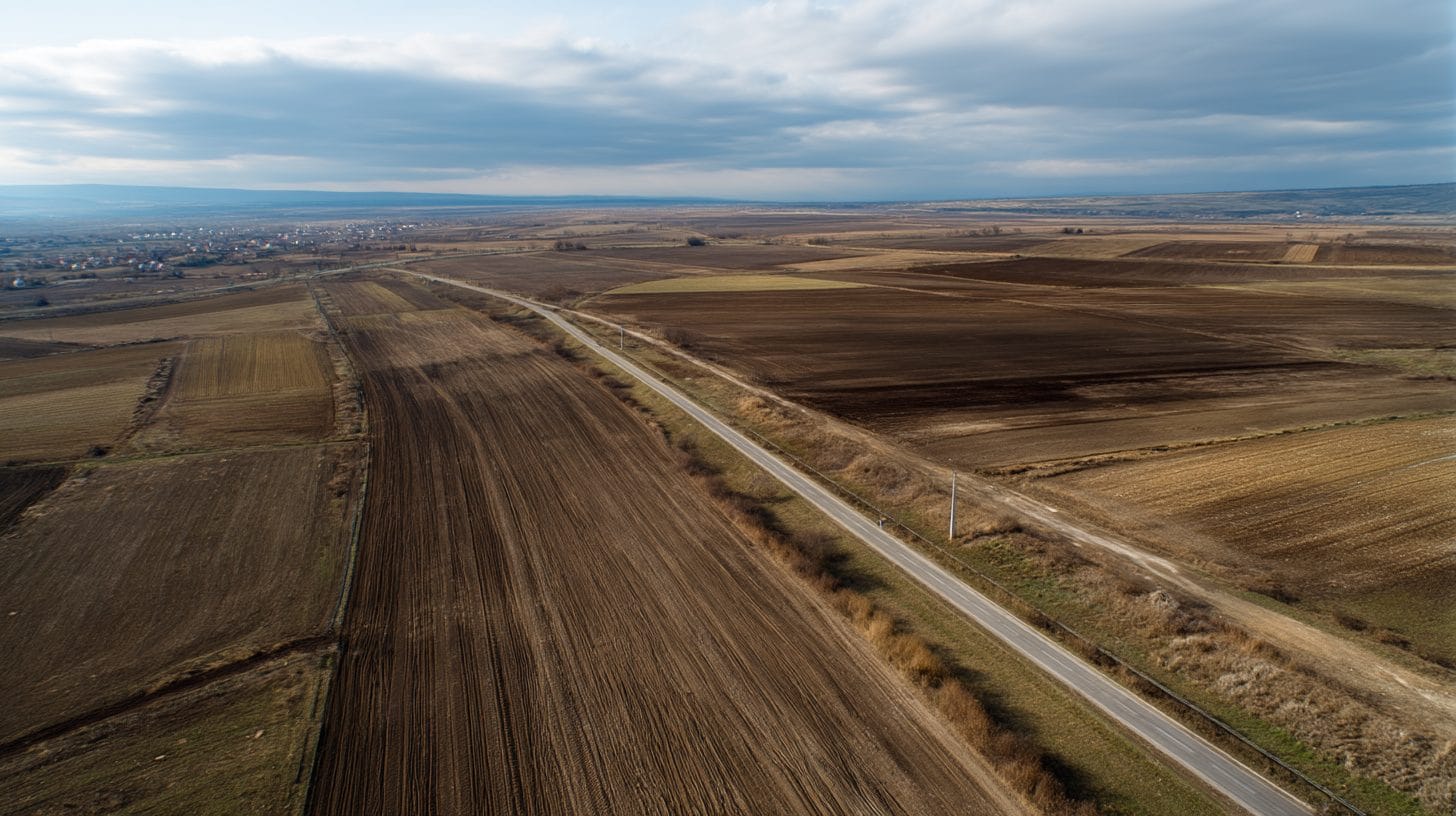
Understanding Zoning and Land Use in Romania
Zoning and land use in Romania are critical components of urban planning that influence the country’s development trajectory, and they play a crucial role in how land resources are allocated and managed. This article provides an expansive overview of zoning and land use regulations in Romania, delving into the legal framework, practices, and implications of these regulations on urban development.
The Concept of Zoning
Zoning refers to the process by which local governments delineate specific areas or zones in which particular land uses are permitted or restricted. It is designed to segregate incompatible land uses, promote equitable distribution of land resources, and create orderly urban environments. In Romania, zoning plays a vital role in urban planning and is shaped by a combination of historical context, current legislative frameworks, and socio-economic factors.
Zoning Laws in Romania
The legal foundation for zoning and land use in Romania is primarily shaped by the Law of Territorial Planning No. 350/2001, along with various local regulations. These laws acknowledge the importance of sustainable land use and aim to facilitate economic development while ensuring environmental protection and social equity. The Romanian legislation defines zoning regulations that govern residential, commercial, industrial, agricultural, and green spaces.
Land Use Planning Documents
In Romania, the land use planning framework consists of several hierarchical documents that guide territorial planning. At the national level, there is the National Spatial Planning and Development Strategy, which sets broader objectives for sustainable land use nationwide. Meanwhile, at the regional and local levels, each administrative unit is responsible for drafting and implementing specific zoning plans that align with national objectives. These plans are crucial in determining how land will be utilized, taking into account environmental factors, infrastructure capacities, and urban density.
Zoning Categories in Romania
Romanian zoning laws typically categorize land into various types, including:
1. Residential Zones: These are areas primarily dedicated to housing and related developments. They may include different types of residences, such as single-family homes, multi-family units, and mixed-use developments that integrate residential and commercial spaces.
2. Commercial Zones: Intended for business activities, these zones facilitate retail, office, and service-oriented uses. Commercial zoning regulations often encompass aspects such as building size, parking requirements, and operating hours.
3. Industrial Zones: These areas are earmarked for manufacturing and production activities. Zoning regulations in industrial zones typically focus on minimizing potential disturbances to residential areas and ensuring safe operational standards.
4. Agricultural Zones: Recognizing the importance of agriculture in Romania, these zones are designated for farming activities and may contain specific provisions to protect agricultural lands from re-zoning to non-agricultural uses.
5. Green Spaces: Zoning regulations in Romania also emphasize the necessity of maintaining green areas, such as parks, recreational spaces, and protected natural sites, which contribute to environmental sustainability and public well-being.
The Role of Municipalities
While national legislation provides the overarching framework for zoning and land use, municipalities in Romania retain substantial powers to craft and implement specific plans based on local conditions. This decentralization is essential for addressing regional disparities and ensuring that planning decisions reflect the unique characteristics of each locality. Local authorities are responsible for engaging with citizens during the planning process, soliciting public input, and promoting transparency and accountability.
Challenges in Zoning and Land Use
Despite a well-defined legal framework, Romania faces several challenges related to zoning and land use. Rapid urbanization and population growth have exerted immense pressure on land resources, leading to increased conflicts over land use. Moreover, inconsistencies between national and local zoning regulations can create confusion and hinder effective planning. Furthermore, the need for modernization in municipal planning tools and processes is crucial to ensure that they reflect contemporary urban dynamics and technological advances.
The Importance of Sustainable Development
Considering the global emphasis on sustainable development, Romania’s approach to zoning and land use must prioritize environmental stewardship, social equity, and economic viability. Instruments such as Environmental Impact Assessments and Public Participation forums are integral components in ensuring responsible land use practices. Promoting mixed-use developments, encouraging green building standards, and safeguarding biodiversity through strategic zoning decisions are vital aspects of sustainable land management in Romania.
Impact of Zoning and Land Use on Property Rights
Zoning regulations also fundamentally impact property rights in Romania. Owners may find their ability to develop or use their properties restricted based on zoning classifications, creating tensions between private interests and public welfare. The Romanian Constitution provides for the protection of property rights, but land use regulations necessitate a careful balancing act to ensure that property rights do not infringe upon the broader community’s interests.
Recent Developments in Zoning Practices
In recent years, Romania has made strides in refining its zoning and land use regulations to accommodate the needs of a modern economy. Policies promoting energy efficiency, urban regeneration, and smart city concepts are now gradually being integrated into zoning practices. The advent of new technologies, such as Geographic Information Systems (GIS), has enhanced planning capacities, enabling better decision-making and resource management.
Conclusion
Understanding zoning and land use in Romania is essential for anyone involved in urban planning, real estate, or local governance. With a comprehensive legal framework and increasing recognition of the importance of sustainable development, Romania is poised to address the challenges of contemporary urbanization. Ensuring clarity and consistency in zoning regulations, fostering public engagement, and promoting environmentally responsible practices are critical for creating vibrant, sustainable communities. As this landscape continues to evolve, stakeholders must remain informed about zoning land use in Romania to navigate the complexities of this essential aspect of urban development.
Interested in Land Investment in Romania?
We specialize in high-yield land and property opportunities for serious investors.
VIEW OUR CURRENT PORTFOLIOSecure your investment with Land For Investors.

Published: April 10, 2025