

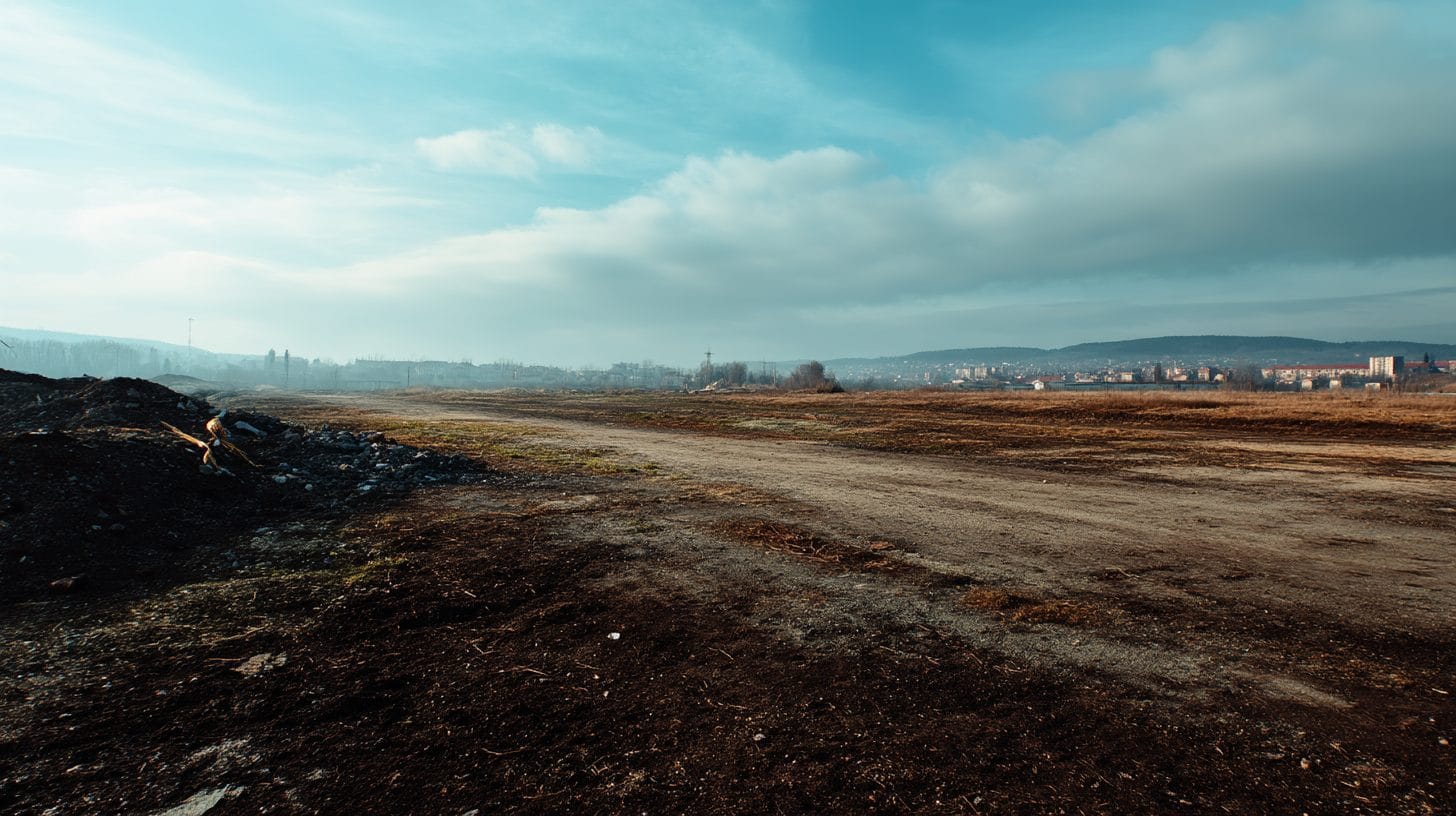
For investors seeking to diversify their portfolios with assets in East-Central Europe, to buy land in Cluj has become an increasingly enticing opportunity. As one of Romania’s most dynamic cities, Cluj-Napoca is fast establishing itself as a central hub for technology, research, culture, and education, making its real estate market ripe for long-term growth. While many focus on residential and commercial developments, land acquisition—whether for future development or capital appreciation—offers a strategic entry point for medium-to-long-term investors.
Cluj’s rising appeal for strategic land investments
Over the past decade, Cluj-Napoca has witnessed sustained economic expansion, fueled by a combination of EU support, an influx of tech companies, and a highly educated workforce drawn from its prominent universities. These factors have played a key role in the escalating demand for residential and commercial spaces, thereby increasing the intrinsic value of undeveloped land in and around the city.
The local government has also initiated extensive infrastructure improvements such as new roads, public transportation expansions, smart city technologies, and environmental sustainability projects. These efforts are transforming suburban and peri-urban zones into future hotspots for urban development. For investors with foresight, purchasing land in these transitioning areas represents an opportunity to capitalize on the city’s ongoing evolution.
Key locations where land value is increasing
Cluj-Napoca comprises several districts and neighboring villages that present attractive land deals depending on the investor’s profile and long-term strategy. Areas such as Florești, Apahida, and Baciu—located within a short driving distance from central Cluj—are already witnessing growing residential developments, driven by lower land prices and more lenient zoning regulations.
Florești, for example, has become the largest commune in Romania by population due to its rapid development pace, providing both residential and commercial land at lower entry points compared to the city center. Apahida and Baciu are also gaining traction for greenfield developments and logistics hubs, supported by proximity to the Cluj-Napoca International Airport and major roads connecting the region.
Meanwhile, investors seeking premium land for mixed-use projects or high-end developments are eyeing areas like Andrei Mureșanu, Bună Ziua, and central Cluj districts, where land plots are scarce but command high returns due to elite demand and limited supply. These locations are particularly appealing for foreign investors targeting boutique developments or niche real estate projects.
Demand trends and demographic shifts
The demographic profile of Cluj is an important driver fueling land value. With a high percentage of the population under 35 and an increasing number of international students and digital professionals moving to the city annually, demand for modern housing continues to grow. As the urban core becomes more saturated, developers are moving outward, creating a ripple effect that pushes up land prices in connected surrounding areas.
Another important trend is the increasing interest in lifestyle shifts post-2020, where demand for larger homes and proximity to green spaces among higher-income buyers has made peri-urban plots more valuable. This shift aligns well with opportunities to buy land in Cluj for villa developments or gated communities that cater to this lifestyle change.
Regulatory framework and purchasing process for foreign investors
Romanian laws are generally favorable to foreign investors, though it’s essential to understand the legal landscape. Within the European Union, citizens and legal entities can freely acquire land, including agricultural and forest land. Non-EU investors must follow specific procedures and may need to establish a Romanian company if they wish to purchase certain categories of land, especially outside urban boundaries.
Investors must conduct thorough due diligence, including title verifications, zoning checks known locally as “PUZ” (Zonal Urban Plans), and environmental assessments. Working with a local legal advisor and real estate consultant is highly recommended to navigate the municipal zoning requirements and ensure the property’s suitability for the intended investment purposes.
Tax implications also need to be factored in. Romania offers competitive property tax rates, and land designated for development may be subject to different tax conditions depending on its classification, use, and transaction value. Municipalities may also impose taxes or require permits for land use changes, especially in urban expansion areas.
Appreciating value and exit strategies
Land in Cluj over the past five years has appreciated steadily, outpacing inflation and even many residential investment yields. Investors willing to hold assets longer-term have often realized double-digit appreciation annually, especially on plots near infrastructure development or upcoming residential zones.
Exit strategies can vary depending on the acquisition goals. For those looking for land banking, holding and selling after 5–10 years could generate substantial capital gains. Others may pursue joint ventures with local developers to construct housing, logistics centers, or office parks, especially if they have secured land with favorable zoning. Leasing land for renewable energy projects or agricultural use can also provide interim cash flow while waiting for urbanization to enhance underlying value.
Risks and how to mitigate them
As with any real estate investment, risks exist—from political changes affecting zoning reforms to delays in infrastructure rollouts or speculative pricing in overheated districts. Some investors may also underestimate the time needed for permit approvals and land conversion.
To mitigate these risks, developing a comprehensive investment thesis with realistic timelines, market analysis, and exit strategies is crucial. Working with on-the-ground experts and conducting multi-source due diligence adds a layer of protection and clarity. Diversifying across multiple plots or districts within Cluj County can also balance exposure across market phases.
Conclusion
For foreign investors seeking a strategic entry into Romania’s emerging property sector, choosing to buy land in Cluj combines capital growth potential with the long-term vision of one of Eastern Europe’s most vibrant urban centers. With urban expansion, infrastructure development, and increasing international interest contributing to steady land appreciation, investing early offers the opportunity to ride Cluj’s continued transformation. Whether for future development, land banking, or partnership ventures, carefully selected land parcels in and around Cluj-Napoca can serve as effective vehicles for wealth accumulation in the years ahead.
Interested in Land Investment in Romania?
We specialize in high-yield land and property opportunities for serious investors.
VIEW OUR CURRENT PORTFOLIOSecure your investment with Land For Investors.

Published: January 20, 2026