

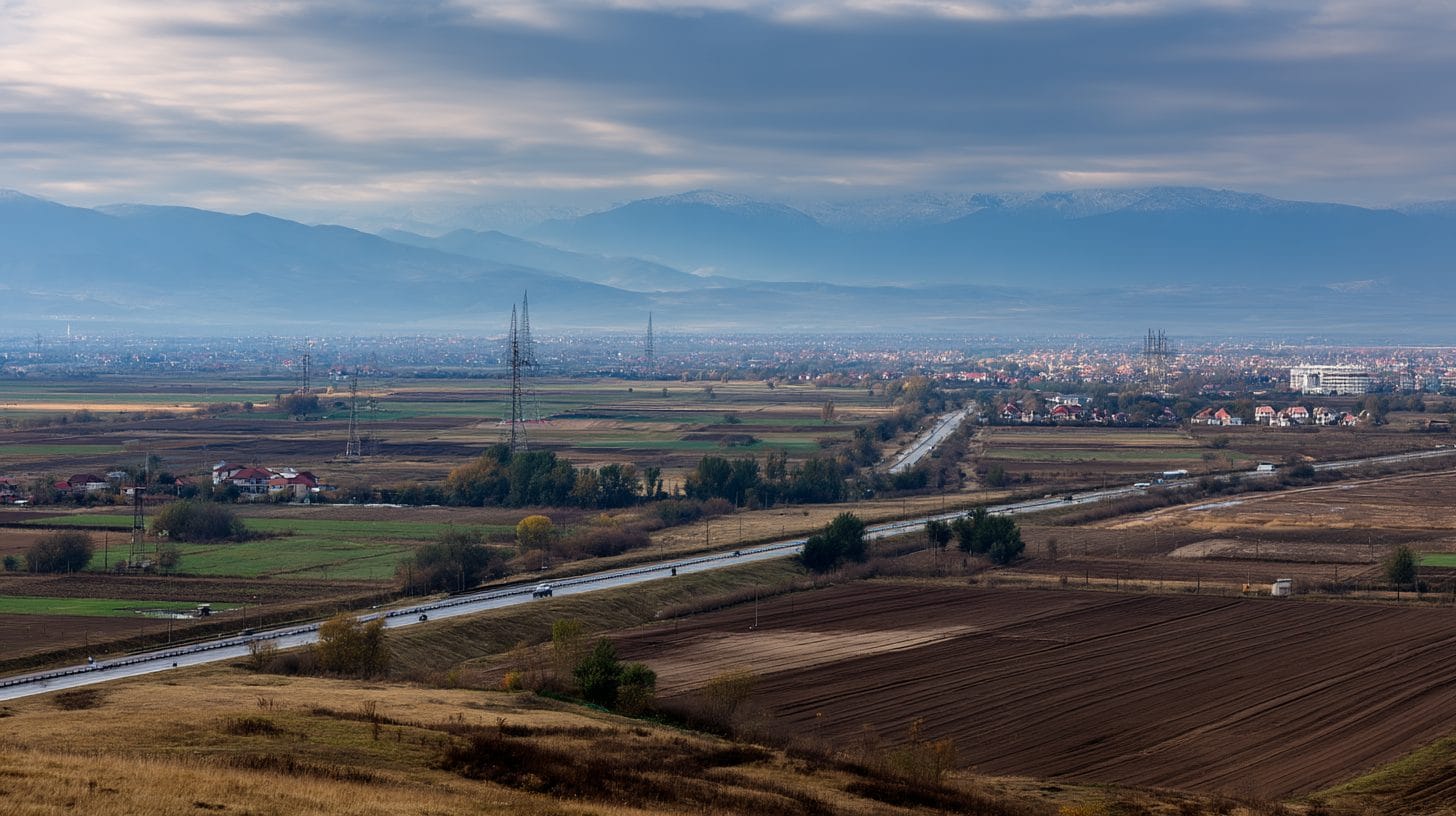
Romania’s Black Sea coastal region has become a growing point of interest among international investors looking for land acquisition opportunities in Eastern Europe. Specifically, land around Constanța for sale is attracting significant attention due to its strategic location, expanding infrastructure, and increasing tourism potential. Constanța is not only Romania’s largest seaport city but also serves as a central hub for both national and cross-border trade. As a result, the surrounding regions offer compelling long-term prospects for investors interested in residential development, industrial expansion, or agribusiness projects.
Understanding the market: Location and growth dynamics
Land values around Constanța reflect a mixture of influences, including proximity to the coast, infrastructure development, and legal frameworks related to ownership and land classification. Areas closer to the southern resorts of Eforie and Costinești, or those near the port perimeter, often command premium prices due to their access to tourism and commercial opportunities. Northern communes like Ovidiu and Lumina are gaining traction among developers for their affordability and access to public services such as utilities and roads.
In recent years, the Romanian government has ramped up funding for regional infrastructure, enhancing road connectivity between Constanța and major cities like Bucharest. The A2 motorway has substantially reduced travel times, and ongoing rail upgrades are turning Constanța into a year-round logistical corridor. These enhancements directly impact land values, particularly for parcels suitable for commercial or industrial activity.
Types of land available near Constanța
Investors exploring options for land acquisition near Constanța will encounter several categories of land: intravilan (urban or buildable land), extravilan (non-buildable or agricultural land), and industrial-zoned plots. Each category comes with distinct implications for development and return on investment.
Intravilan plots are most suitable for residential and commercial development. These are typically the most expensive but provide the highest potential for quick project implementation due to existing utilities and urban zoning. In contrast, extravilan land tends to be more affordable and commonly targeted for speculative investments or agricultural purposes, but requires a formal rezoning process before any construction can take place.
Industrial-use land along major access routes and near logistics centers presents a particularly interesting opportunity for developers targeting warehousing, production, or renewable energy projects. Proximity to the port enhances appeal, especially for companies looking to link their supply chains to maritime shipping routes.
Evaluating legal and regulatory considerations
Foreign investors need to be familiar with Romania’s property laws, especially those related to land acquisition. While EU citizens can purchase land as individuals, non-EU nationals may need to form a Romanian legal entity to do the same. The process involves due diligence, verifying the property title via the Land Registry, and ensuring the plot is free from legal disputes or encumbrances.
Particular attention must also be paid to the General Urban Plan (PUG) of each locality, which determines land use and building restrictions. Investors should also check for existing servitudes, rights of way, or historical claims before proceeding with any transaction.
Environmental regulations may apply, especially for coastal plots or land near protected areas. Investments in such zones may require additional environmental impact assessments and permits. Therefore, partnering with a local consultant or legal advisor is highly recommended to navigate these sections of Romanian property law.
Market trends and investment returns
The past decade has seen steady appreciation in land prices near Constanța, driven by internal migration, growth of the local tourism industry, and international interest in logistics and transport infrastructure. Several areas have seen annual land price increases of 8–15%, particularly those ahead of infrastructural development.
The diversification of land uses—from tourism and residential real estate to agribusiness and industrial development—gives investors multiple pathways to returns. Holiday home construction and short-term rental segments, for instance, benefit from Romania’s growing domestic tourism segment, while land for greenhouses and vineyards near the Danube-Black Sea Canal appeals to agritech entrepreneurs.
Port-related investments have also surged, particularly after the Ukraine conflict prompted the EU to explore alternative Black Sea logistics hubs. Constanța has been identified as a priority port for NATO and European supply chains, further boosting nearby commercial land appeal.
Strategic locations to consider
Several specific zones surrounding Constanța stand out for investment:
Ovidiu and Lumina offer buildable land at more competitive prices with access to utilities and local governance favorable to development projects. These are ideal areas for residential neighborhoods or mid-sized commercial complexes.
Techirghiol and Agigea provide opportunities for tourism development, spas, and wellness centers given their access to therapeutic lakes and proximity to the sea. Land here can be more volatile in pricing but offers strong seasonal income potential.
The industrial park near Palas and its connection to the Port of Constanța attracts investors seeking logistics or manufacturing spaces. Accessibility to the port, rail terminals, and national roads make this an area worth monitoring for large-scale projects.
Evaluating risks and long-term stability
While opportunities are robust, investors must also consider challenges. Zoning changes can be slow and impacted by local political cycles. Infrastructure plans, though subsidized by EU structural funds, are sometimes delayed, affecting project timelines and ROI estimations.
Additionally, Romania’s judicial and bureaucratic processes can be complex. While EU oversight ensures relative transparency, local governance can vary significantly across communes. Engaging reliable local partners, legal experts, and land surveyors minimizes risks tied to land acquisition and development.
Conclusion for strategic investors
Land around Constanța for sale represents a compelling investment opportunity within Romania’s broader real estate landscape. The region offers a spectrum of investment strategies—from secure, long-term land banking to active development in residential, industrial, and tourism sectors.
However, successful entry requires a deep understanding of legal norms, urban planning regulations, and micro-market trends shaped by location and infrastructure. With careful due diligence and local engagement, investors can tap into a region poised for continued growth, sustained by its strategic coastal position and reinforced significance within the European economic framework.
Interested in Land Investment in Romania?
We specialize in high-yield land and property opportunities for serious investors.
VIEW OUR CURRENT PORTFOLIOSecure your investment with Land For Investors.

Published: January 20, 2026