

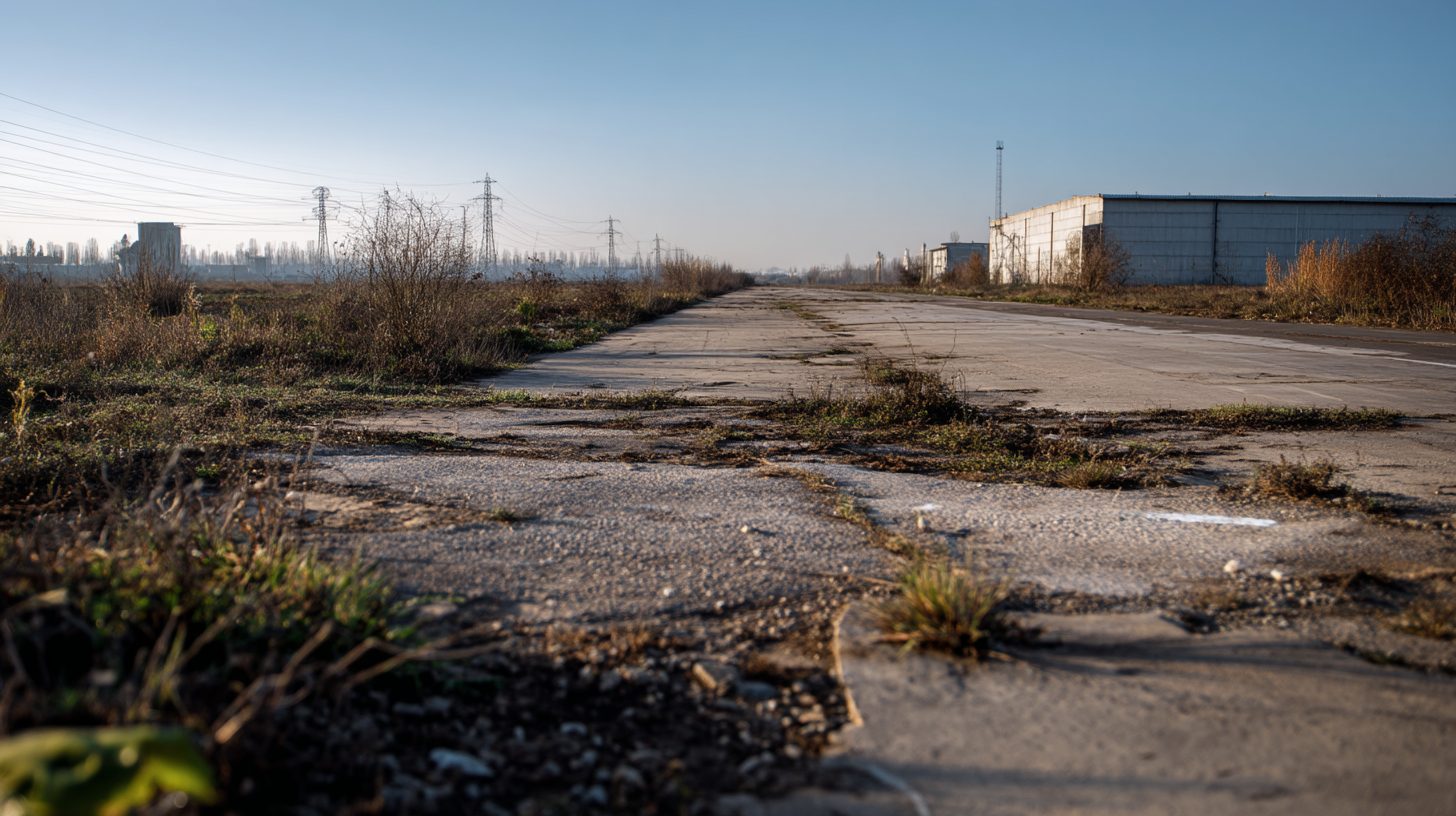
The Romanian real estate sector has captured increasing attention from investors in recent years, particularly in emerging regional markets. Among such hotspots is the real estate metropolitan area Bacău for sale, which continues to draw interest due to its growing infrastructure, competitive pricing, and strategic location in northeastern Romania. For foreign investors seeking affordable yet high-potential assets, Bacău offers a compelling blend of urban accessibility and untapped suburban opportunity.
Located in a region known for its industrial legacy and educational institutions, Bacău is evolving into a secondary real estate market with steady long-term prospects. Its metropolitan area includes several communes with developmental potential, making it attractive for both residential projects and land banking strategies.
Understanding price trends and current property valuations
As of early 2024, property prices in the Bacău metropolitan area remain lower than national urban centers like Bucharest or Cluj-Napoca. However, the region has seen notable appreciation over the past three years. The average price for residential land in suburban zones such as Letea Veche, Hemeiuș, and Mărgineni hovers around €25–€40 per square meter, though proximity to main roads or utility connections can raise prices significantly.
In the central Bacău municipality, older apartments range from €800 to €1,100 per square meter, while new constructions exceed €1,400 per square meter, especially in sought-after districts such as Gherăiești or Nord-Est. These figures indicate significant room for capital gains, especially as urban expansion plans and road investments are implemented.
Demand drivers in and around Bacău
Multiple demand factors contribute to the increasing attention on real estate metropolitan area Bacău for sale. Firstly, connectivity improvements are under development, including planned upgrades to the Moldova Highway (A7) and continuing modernisation of Bacău’s regional airport, which connects directly to Rome, London, and Dublin. These infrastructure projects are pivotal in knitting Bacău more tightly into national and international networks.
Secondly, internal migration trends show growing interest from buyers seeking more affordable alternatives to Romania’s saturated city markets. Young professionals and families are increasingly considering smaller cities with lower living costs and accessible financing. Bacău fits this profile, especially for those working remotely or commuting periodically to major business hubs.
Demographically, Bacău County ranks among Romania’s top ten most populated regions, with over 600,000 residents. This ensures a stable labor force and ongoing demand for both housing and commercial premises. Furthermore, foreign companies—particularly in logistics, renewable energy, and light manufacturing—have begun to explore sites in the metropolitan area, bringing with them additional employment and residential needs.
The appeal of land investments in the Bacău metropolitan region
Investors looking at land opportunities will find considerable potential in the surrounding communes, especially areas set for zoning adjustments or utility development. Agricultural plots with the potential for residential or light-industrial conversion offer competitive entry costs and longer-term appreciation.
Local authorities have undertaken urban expansion strategies in communes like Săucești and Nicolae Bălcescu, where infrastructure rollout is underway. As zoning permits progress and utilities extend, land values are expected to appreciate faster than inflation.
Given Romania’s EU membership and alignment with European development standards, regulatory clarity is improving. Moreover, low property taxes and investor-friendly legal frameworks make land holding cost-effective—an appealing prospect for long-term capital investors.
Growth forecast and future trends
While price jumps comparable to Romania’s large cities may not be immediate, the medium to long-term growth outlook for the Bacău region is optimistic. Analysts anticipate annual price appreciation of 5–8% in suburban districts, especially if mobility projects remain on schedule. Moreover, Romania’s absorption of EU reconstruction funds for regional development is expected to further stimulate real estate activities in counties like Bacău.
Banking conditions also favor investment. As of this year, Romanian mortgage rates have begun to stabilize, with local banks offering financing options for both citizens and EU-based foreigners. Investors with a long-term horizon of 5–10 years may benefit significantly from portfolio penetration in less saturated areas like Bacău.
Administrative reforms may also shift land-use planning responsibilities toward regional coordination, reducing bureaucratic delays and improving the responsiveness of local municipalities. This would expedite permitting for real estate development in targeted growth corridors around Bacău.
Residential and commercial development interplay
An interesting dynamic in the real estate metropolitan area Bacău for sale is the mutual reinforcement of residential and commercial markets. New industrial developments—including logistics centers northeast of the city—are fueling demand for workforce housing. Simultaneously, developers who focus on mid-range housing solutions can expect solid occupancy and sales, especially in the €45,000–€70,000 price bracket.
Retail expansion is slowly taking shape as supermarket chains and logistics operators seek land parcels near major roads and densely populated communes. This presents an opportunity for land investors to consider mixed-use zoning or commercial orientation for plots located along transportation arteries.
Conclusion for investors exploring Bacău real estate
For international investors seeking value-based entry into Romania’s emerging real estate zones, the metropolitan area of Bacău offers a compelling combination of affordability, growth momentum, and infrastructure-led development. While not as immediately liquid as the nation’s prime urban markets, this region rewards strategic patience and diversification. From residential developments in peri-urban communes to long-term land banking near planned infrastructure nodes, Bacău stands out as a region where capital can grow in alignment with Romania’s regional expansion narrative.
