

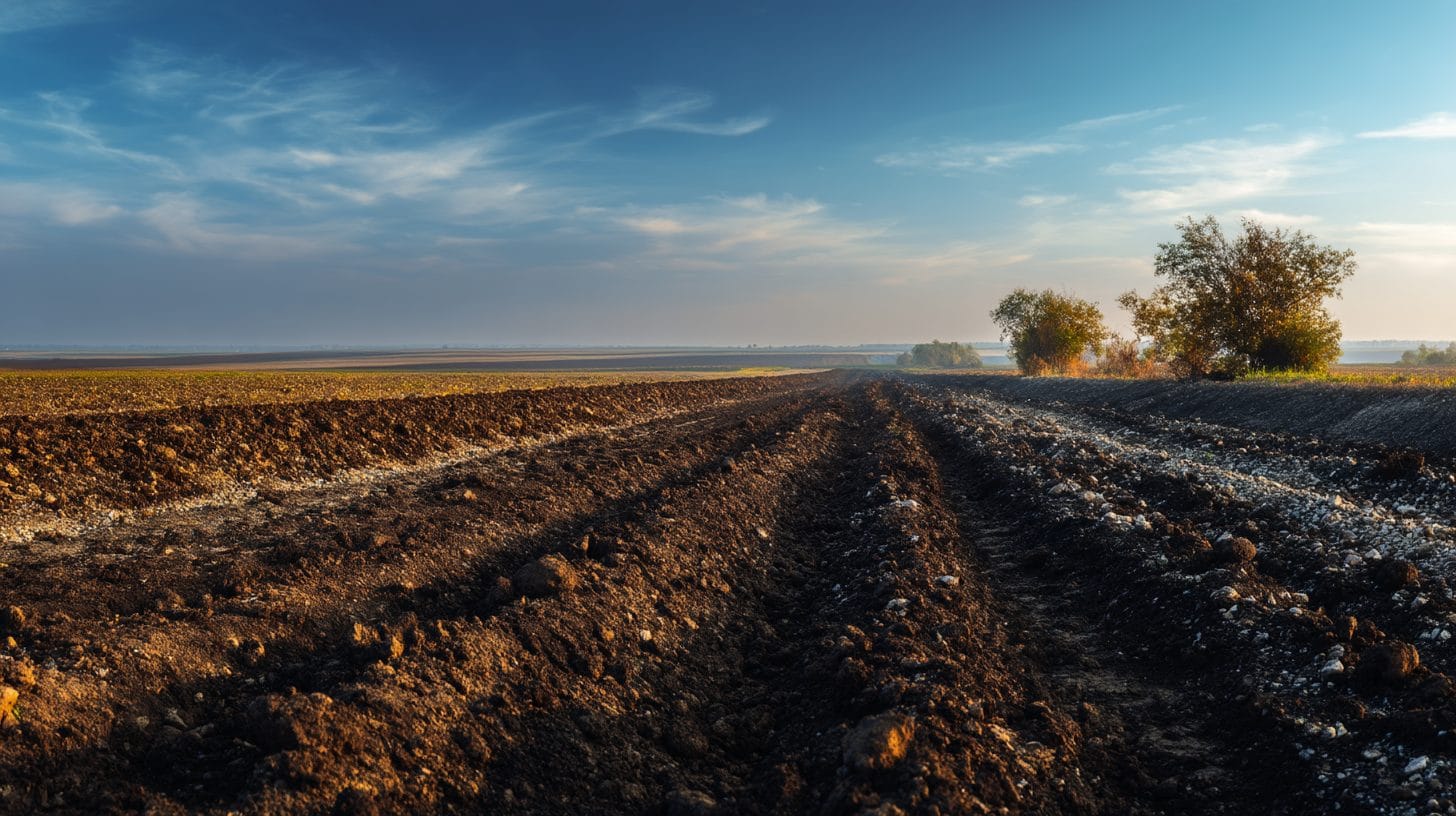
How to Evaluate Land Value in Romania
Evaluating land value in Romania is a critical endeavor for anyone interested in real estate investment, development, or urban planning. The process requires a thorough understanding of the various factors that influence land prices and a careful analysis of market conditions. This article aims to provide a detailed guide for stakeholders looking to evaluate land value in Romania, highlighting key methodologies, regulatory considerations, and market trends.
Understanding the Factors Influencing Land Value in Romania
Several factors contribute to land value in Romania, and understanding these elements is paramount when evaluating potential investments or developments. Key factors include:
1. Location: This is perhaps the most significant factor influencing land value. Urban areas, particularly Bucharest, Cluj-Napoca, and Timisoara, typically command higher prices due to demand, infrastructure, and economic activity. Conversely, rural areas may have lower land values, but they can also offer unique opportunities for agricultural or tourism-related investments.
2. Zoning Regulations: In Romania, land use is regulated by local zoning laws, which can significantly affect land value. Properties designated for residential, commercial, or industrial use tend to have different price points. Familiarizing oneself with the zoning regulations and potential for rezoning is essential for accurately assessing land value.
3. Infrastructure and Accessibility: Proximity to major roads, public transportation, utilities, and amenities plays a vital role in determining land value. Lands situated near established infrastructure generally have higher demand, thus elevating prices.
4. Market Conditions: The overall economic climate, supply and demand dynamics, and buyer sentiment impact land value. A robust economy with a growing population and increasing foreign investment can lead to higher land prices.
5. Environmental Regulations: Romania has specific environmental protection laws and regulations that affect land value. Properties subject to environmental restrictions may see a decrease in value. Therefore, understanding these regulations is essential for a thorough evaluation.
Methods for Evaluating Land Value in Romania
There are several methodologies for evaluating land value in Romania, each with its advantages and limitations. The most commonly used methods include:
1. Comparative Market Analysis (CMA): The CMA approach involves analyzing recent sales of similar properties in the same geographical area. By examining comparable land transactions, one can establish a baseline value. This method works best in active markets with sufficient sales data. Assessors should consider factors such as size, location, zoning, and amenities.
2. Income Approach: The income approach is often used for commercial properties or those intended for rental purposes. By estimating the potential income generated by the land (such as rent), appraisers can determine its value. This method involves projecting future income, assessing operating expenses, and applying a capitalization rate to arrive at a present value.
3. Cost Approach: The cost approach calculates land value based on the cost to replace or reproduce any improvements (if applicable) while subtracting depreciation. This method is useful when assessing vacant land or newly constructed properties where comparable sales may not be available. It provides insight into the intrinsic value of the land.
4. Residual Land Value: This method calculates the value of land based on the expected selling price of a completed development less all the costs associated with the construction and development process. Residual land value analysis helps investors and developers understand the maximum price they should pay for a piece of land.
5. Appraisal: Engaging a professional appraiser with local expertise can provide an unbiased evaluation of land value. Appraisers utilize various methods and ensure compliance with national and international valuation standards. Their extensive market knowledge can greatly inform buyers’ or investors’ decisions.
Legal Considerations When Evaluating Land Value in Romania
Various legal aspects need to be considered when evaluating land value in Romania. Understanding property rights, encumbrances, and local laws is crucial. Some of the significant legal factors include:
1. Title Deeds: Ensuring that the property has a clear title is essential. A thorough title search can reveal any encumbrances, disputes, or rights of way that could negatively impact land value.
2. Land Registry: Romania has a Land Registry system that provides vital information about property ownership, boundaries, and legal matters. A review of the land registry can reveal critical details necessary for an accurate valuation.
3. Tax Implications: Real estate taxes can influence the overall value of a property. Understanding local taxing authorities and the implications of property taxes helps in assessing the long-term investment potential of a piece of land.
4. Environmental Laws: As mentioned previously, local environmental laws can impose restrictions that may affect land use and, consequently, land value. It is imperative to be aware of any environmental assessments or regulatory requirements.
Emerging Trends in Romania’s Land Market
The Romanian land market has experienced significant changes in recent years, influenced by broader economic trends and real estate dynamics. Investors and stakeholders must stay informed about the following trends:
1. Urbanization: As more people move to urban centers, demand for residential and commercial properties in cities continues to rise. This trend has led to increased land values in metropolitan areas. Evaluating land value requires an understanding of how urbanization impacts competitive positioning and future growth potential.
2. Infrastructure Development: The Romanian government has undertaken numerous infrastructure projects aimed at improving connectivity and supporting regional development. Evaluating land adjacent to these improvements is critical, as such projects often lead to a rise in land value.
3. Foreign Investment: Romania has become an attractive destination for foreign investors in recent years, especially in sectors such as technology, agribusiness, and renewable energy. Increasing foreign investment can raise demand for land and subsequently boost land values.
4. Sustainability Trends: There is a growing focus on sustainability and environmentally-friendly developments in Romania. Properties that incorporate sustainable practices may command higher values, reflecting changing consumer preferences.
Gathering Data and Resources for Land Value Evaluation in Romania
To effectively evaluate land value in Romania, accessing reliable data is vital. Several resources can provide valuable insights, including:
1. National Institute of Statistics: The National Institute of Statistics in Romania provides valuable information on demographics, economic indicators, and land use that can inform land evaluations.
2. Local Real Estate Agents: Engaging local real estate professionals can provide insights into current market trends, property values, and the competitive landscape of the area being evaluated.
3. Online Real Estate Platforms: Various online platforms feature property listings, sales data, and market analyses specific to different regions in Romania. These resources allow stakeholders to conduct comparative analyses.
4. Valuation Reports: Professional appraisal firms can provide comprehensive valuation reports that are compliant with local and international standards. These reports can assist in making informed decisions regarding land investments.
In Conclusion
Evaluating land value in Romania is a multifaceted process that requires a deep understanding of market dynamics, legal considerations, and valuation methodologies. By analyzing location, zoning, infrastructure, and market conditions, stakeholders can make informed decisions that align with their investment strategies. Additionally, staying abreast of emerging trends and leveraging available resources can enhance the evaluation process and lead to more strategic investment outcomes.
Investors, developers, and real estate professionals focusing on Romania should prioritize a comprehensive approach to evaluating land value and adapt their strategies based on current market insights and regulatory frameworks. By doing so, they can successfully navigate Romania’s dynamic land market and capitalize on emerging opportunities.
Interested in Land Investment in Romania?
We specialize in high-yield land and property opportunities for serious investors.
VIEW OUR CURRENT PORTFOLIOSecure your investment with Land For Investors.

Published: April 10, 2025