

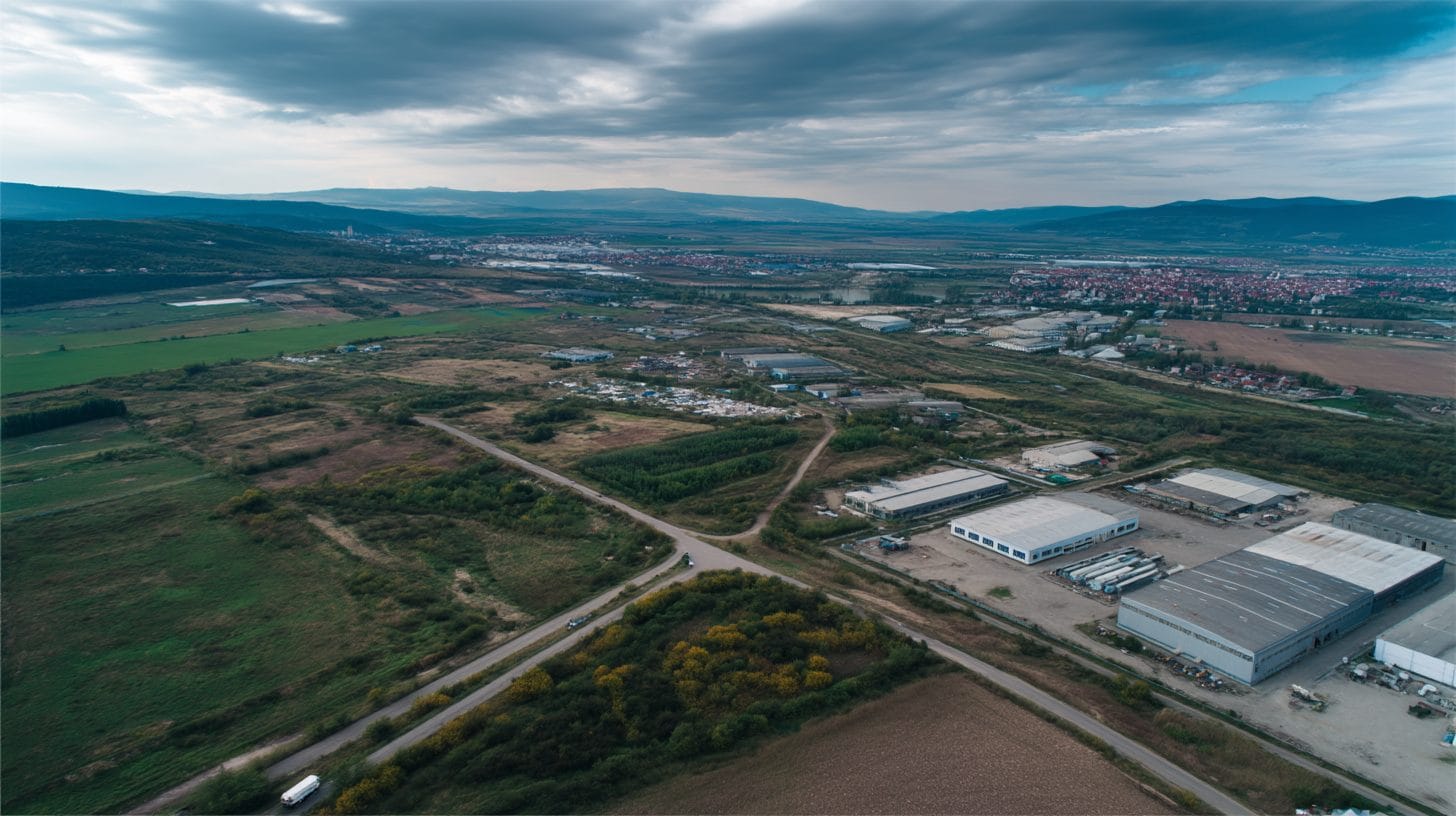
How Infrastructure Developments Affect Land Prices in Romania
Infrastructure is a critical determinant of land value across the globe, with significant implications observed in urban and rural settings. In Romania, a country undergoing rapid modernization and development, the relationship between infrastructure and land prices is particularly pronounced. This article delves into how infrastructure developments impact land prices in Romania, highlighting key factors, recent trends, and regional variations.
Romania, positioned strategically in Southeastern Europe, has been increasingly investing in infrastructure to enhance connectivity, attract foreign investment, and stimulate economic growth. Major projects include roads, highways, rail networks, public transportation systems, utilities, and telecommunications. Understanding how these developments affect land prices is essential for stakeholders, including real estate investors, developers, policymakers, and potential landowners.
The direct correlation between infrastructure development and land prices can be explained through several key mechanisms. First and foremost, improved infrastructure enhances accessibility. Land parcels located near major highways, efficient public transport systems, or newly developed railway lines become more desirable, leading to increased demand. This heightened demand ultimately results in elevated land prices as buyers are willing to pay a premium for ease of access to urban centers and essential services.
Infrastructure also influences land valuations through potential for development. Areas designated for new infrastructure projects often experience speculative price increases as developers anticipate future growth. For instance, when a new highway is proposed, landowners often raise their prices in expectation of increased demand from commercial clients or residential developments looking to capitalize on improved connectivity. This speculative behavior can cause a ripple effect, driving up land costs in surrounding areas as supply struggles to meet rising demand.
The impact of infrastructure developments is not uniform across Romania. Urban centers like Bucharest, Cluj-Napoca, and Timișoara witness rapid escalation in land prices due to significant infrastructure investments. Bucharest, as the capital and the largest city in Romania, showcases a particular case where investments in public transport systems, including metro expansion and road improvements, have significantly boosted land values. Similarly, Cluj-Napoca has experienced a surge in land prices driven by investments in technology parks, business hubs, and enhanced transport links aimed at fostering economic development.
Conversely, rural areas and smaller towns tend to see a more gradual impact on land prices following infrastructure projects. The introduction of new roads or utilities in these regions can spur growth by opening up previously inaccessible land for agricultural or residential use, but the effects are often less immediate and pronounced than in metropolitan areas. The agricultural sector, in particular, has benefited from improved transport links that facilitate easier access to markets, thereby enhancing land values.
Infrastructure developments can also affect land prices by enhancing the quality of life for residents. For instance, investments in parks, recreational facilities, and cultural landmarks can significantly提升 residential property values. In Romania, cities that prioritize livability through infrastructure enhancements, such as pedestrianized zones or bicycle lanes, often observe an upsurge in demand for nearby residential land, leading to increased prices.
It is essential to acknowledge that infrastructure development may not always lead to a positive impact on land prices. Certain infrastructural projects, such as highways cutting through residential neighborhoods or industrial developments, may lead to negative externalities. These can include increased noise pollution, traffic congestion, or a decrease in overall aesthetic appeal, leading to a potential depreciation in land value. As such, the interplay between infrastructure and land prices must be viewed through a nuanced lens, considering both beneficial and adverse effects.
Another significant aspect of how infrastructure impacts land prices in Romania is related to government policy and planning. The allocation of budget resources toward infrastructure projects often reflects the governmental priorities and strategies aimed at regional development. Areas prioritized for investment typically experience more pronounced increases in land prices compared to those that are left to languish. The ability of local governments to encourage private investments through zoning laws and incentives further shapes the relationship between infrastructure and land values.
One of the ongoing infrastructural projects in Romania is the construction of the Transylvania Motorway, which aims to connect major cities across the region. This ambitious project is expected to create a substantial uplift in land prices along the route as accessibility improves, fostering economic growth and encouraging new investments in both commercial and residential sectors. In a similar vein, the development of the Bucharest-Ploiești Highway has already shown positive impacts on nearby land values, demonstrating the direct relationship between infrastructure projects and land pricing trends.
As Romania moves toward a more integrated and modern economy, the ongoing efforts to enhance infrastructure through EU funding and government initiatives underscore the importance of strategic planning. The Romania 2030 National Development Strategy outlines the goals for infrastructure improvements and sets the stage for future investments that will further impact land prices.
It is also important to consider the long-term implications of infrastructure developments on land values. While immediate price increases may benefit sellers and investors, sustainable land price appreciation requires balanced urban planning that includes considerations for environmental impacts, housing demands, and community needs. Stakeholders should strive to create a dialogue around infrastructure developments, taking into account how these projects affect the local economy, real estate markets, and quality of living.
In conclusion, the effects of infrastructure developments on land prices in Romania are multifaceted and extensive. Enhanced accessibility, speculative development behavior, urban versus rural dynamics, quality of life upgrades, government policy frameworks, and the broader economic landscape all play a crucial role in shaping land values. As Romania continues its journey toward modernization, being cognizant of the interplay between infrastructure and land prices is vital for making informed decisions in real estate and urban planning. Understanding these dynamics will allow investors, policymakers, and local communities to better navigate the landscape of land values, ensuring sustainable growth and development across the country.
Interested in Land Investment in Romania?
We specialize in high-yield land and property opportunities for serious investors.
VIEW OUR CURRENT PORTFOLIOSecure your investment with Land For Investors.

Published: April 10, 2025